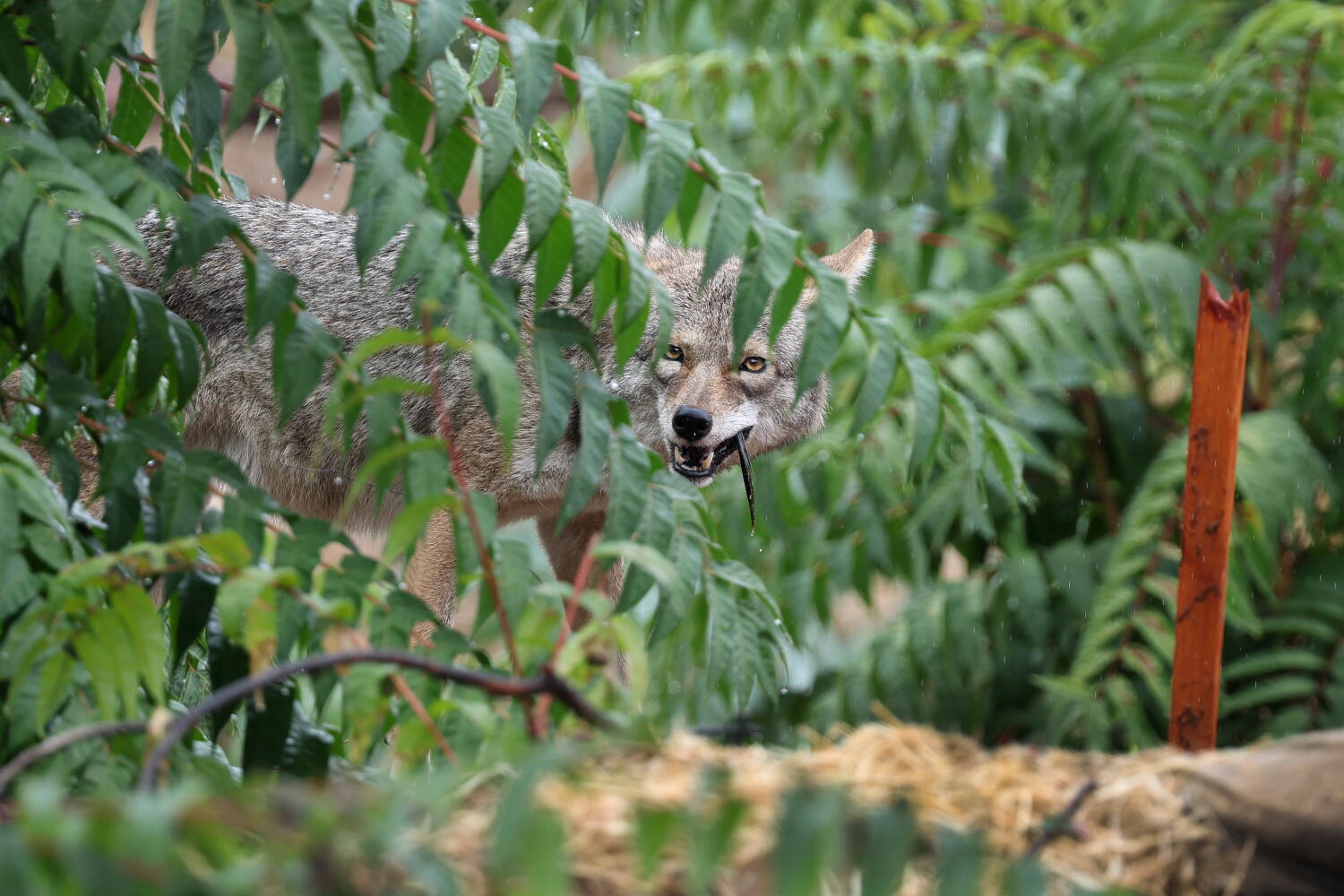
Another headline breaks. A coyote is captured and killed after an encounter with a child in an urban neighborhood. The comment sections flood with righteous fury, demands for neighborhood culls, and hand-wringing over safety. Everyone nods along to the same tired narrative. Animals are encroaching. Nature is invading. We need to push them back.
It is lazy thinking wrapped in moral panic.
I have spent years studying urban wildlife management and watching municipalities repeat the exact same expensive, bloody mistakes. Every time a coyote wanders into a Los Angeles suburb or an Atwater Village backyard, authorities pull out the same playbook. Panic, trap, euthanize, repeat. It makes for good local news segments. It provides a quick burst of closure for terrified residents.
It also does not work.
The Core Misconception About Urban Wildlife
The fundamental flaw in how we view urban coyotes is the assumption that they are foreign invaders trespassing on human land. They are not. They are native residents living in the cracks of an urban sprawl that we built directly on top of their ancestral ranges. When a coyote shows up on a sidewalk, it is not lost. It is navigating a fragmented landscape that humans carved up.
Local news coverage loves to frame these incidents as unprovoked attacks by ruthless predators. Look closer at the data. The vast majority of negative interactions between humans and coyotes trace back to one root cause: food conditioning.
When humans leave out pet food, leave trash unsecured, or outright feed wildlife for a quick photo opportunity, we alter animal behavior. A coyote that learns to associate human backyards with easy calories stops hunting rodents and starts treating humans as a food delivery service.
Killing the animal after the fact treats the symptom while ignoring the disease.
Why Culling Fails Every Single Time
Municipalities love eradication programs because they look decisive. A politician can point to a dead animal and claim action was taken. Biology laughs at these political theater productions.
When you remove a dominant breeding pair of coyotes from a territory through lethal control, you create a vacuum. Nature abhors a vacuum. Within weeks, transient younger coyotes move into the vacant territory. Furthermore, biological studies show that litter sizes often increase in response to population pressure. Kill one coyote, and you may inadvertently trigger an increase in reproductive rates among the survivors.
You cannot shoot your way out of an ecology problem.
Wildlife biologists and urban ecologists have proven this repeatedly. Lethal control without habitat modification is a permanent treadmill. You run as fast as you can and end up in the exact same spot.
What Actually Works: The Uncomfortable Truth
If culling is a failure, what is the alternative? It requires something much harder than calling animal control. It requires changing human behavior.
- Secure the perimeter. Trash cans need latches. Fallen fruit from backyard citrus trees needs to be cleared immediately. Pet food stays indoors. If there is no reward, the coyote moves on.
- Hazing, not hiding. When people see a coyote in a neighborhood, their first instinct is to run inside or freeze. That is the worst thing you can do. You have to make the coyote uncomfortable. Yelling, throwing small stones, making yourself look big, and using air horns teaches the animal that humans are dangerous and unpredictable.
- Infrastructure redesign. Cities need wildlife corridors. We build sprawling concrete jungles without thinking about how animals move from one green space to another. When a coyote gets trapped between a freeway and a housing development, panic ensues.
The Real Danger Is Our Own Complacency
The tragedy in Atwater Village is real. No one wants to see a child harmed. But channeling our collective anxiety into an endless cycle of wildlife extermination is cowardly and scientifically illiterate.
We share our cities with raccoons, hawks, opossums, and coyotes. We can either learn to coexist through intelligent management and boundary-setting, or we can keep pretending that every square inch of asphalt belongs exclusively to us until the next inevitable headline forces us to ask the same useless questions.
Stop waiting for a silver bullet solution that does not exist. Fix your trash. Lock your pet food. Teach your kids to be aware, not terrified.
And stop killing animals for acting like animals in a world we broke first.