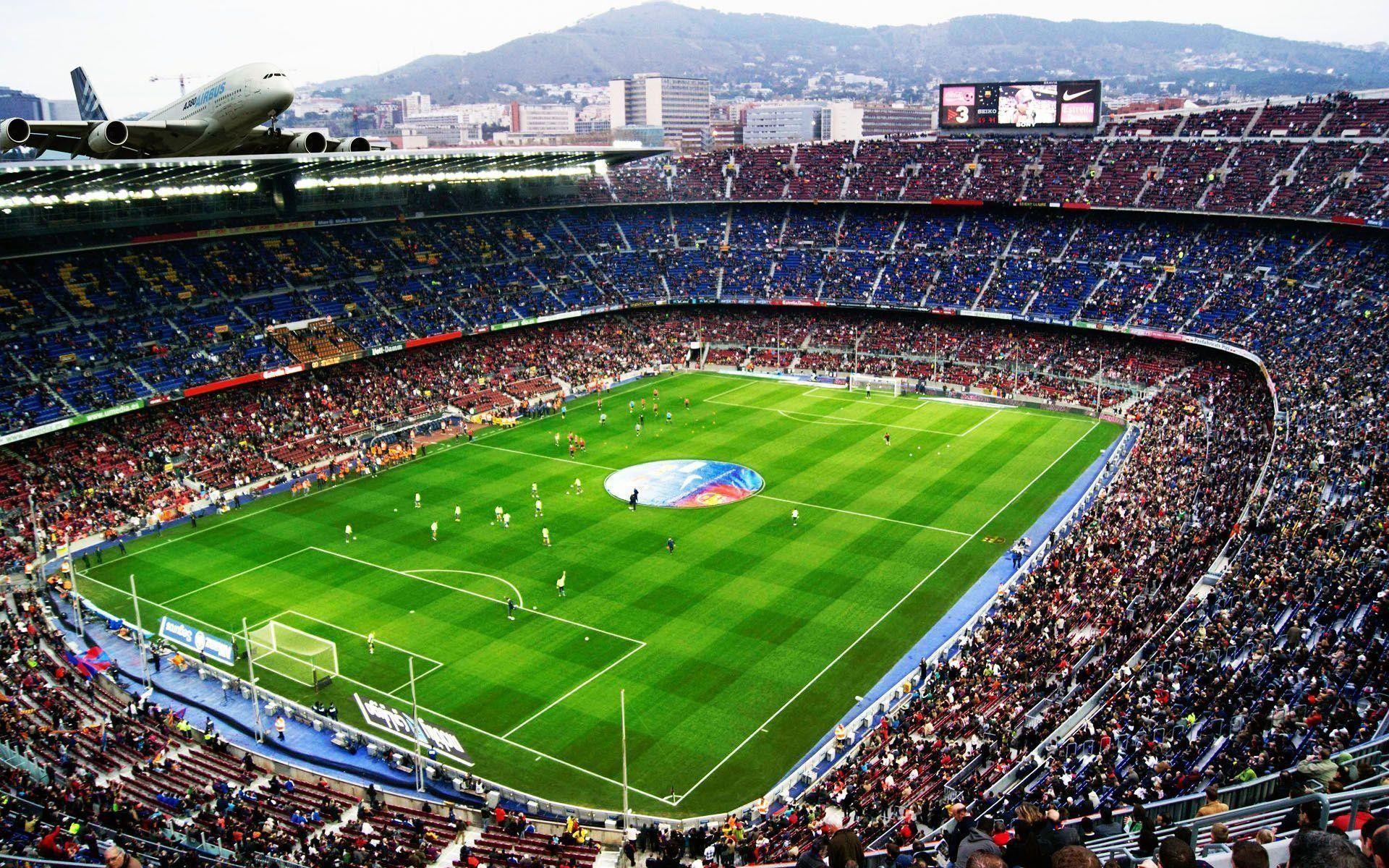
Noise. That is the first thing you remember when thousands of voices lock into a single rhythm inside a concrete bowl. It climbs through the soles of your cleats, vibrates behind your eyes, and convinces your nervous system that the walls themselves are breathing.
I have stood on touchlines and in crowded stands enough times to know how quickly a game can stop feeling like a game. You go for ninety minutes of sweat, tactics, and release. You expect the ordinary friction of rivalry—the groans over a missed pass, the sharp whistle of a referee, the desperate surge toward the corner flag when time is running out. Then a sound cuts across the grass that has nothing to do with football or basketball or whatever clock is ticking overhead.
Dehumanization does not need a megaphone when a crowd decides to move as one.
When reports emerge that visiting players from Ireland faced monkey chants alongside military slogans from sections of an Israeli crowd, the headline lands like a cold brick. To a casual reader scrolling past a sports feed, those words can blur into just another ugly incident in a noisy season. Yet behind every brief dispatch is a human nervous system trying to stay focused on a ball while being pelted with racial mockery and chants borrowed from armed conflict.
Consider what happens next: a player steps onto a court or pitch expecting to be judged by footwork, timing, and nerve, and suddenly finds himself treated as both a caricature and a target.
The Sound That Changes the Air
To understand why a chant hits harder than a hard tackle, think of the stadium as an acoustic amplifier. A single voice shouting an insult in a quiet street is repulsive, yes, but small. Multiply that voice by hundreds or thousands, add rhythmic clapping or drums, and the sound takes on physical weight.
In sports psychology, athletes talk constantly about "tuning out the noise." It sounds neat on a podcast. On the floor or the grass, when your heart rate is already hovering near its ceiling and your lungs are burning, your brain is already working overtime to read passing lanes and defensive shifts. Adding racialized animal noises—a tactic used for decades across international sport to strip Black and brown athletes of their full humanity—forces a sudden, jarring detour. Instead of tracking a winger's cut inside, a player's mind has to process an ancient, unmistakable insult aimed directly at their skin.
And when military slogans enter the mix, the temperature shifts again. Sport is often called "war minus the shooting," a metaphor George Orwell famously used while warning that international sporting contests can easily breed hostility rather than goodwill. Here, the metaphor collapses. Chants drawn from military life or armed conflict bring the language of state power, uniforms, and enemies into a space meant for athletic contest. Even if some fans view those slogans as patriotic bravado or gallows humor born of real-world tension, on the receiving end they can sound like a threat or a demand for political submission.
I do not claim to know every motive inside every seat of a stadium. Crowds are messy; people repeat what their neighbors shout, sometimes half-drunk or caught in mob momentum, sometimes entirely deliberate. Still, intent and impact are not twins. A player standing ten yards away does not get a spreadsheet of individual motives. They hear the roar.
A Hypothetical Night on the Bench
To see the invisible stakes clearly, let us step into a hypothetical scenario—a composite sketch built from documented accounts of hostile crowds rather than a single real person. Imagine a forward named Liam, twenty-three years old, wearing an Irish jersey far from home, sitting on the bench during a stoppage in play.
Liam's hands are taped. His calves are tight from twenty minutes of sprinting. Across the touchline, a pocket of supporters has spent the last three minutes barking monkey noises whenever he touches the ball, followed by a sharp, militant chant that makes the stewards shift uncomfortably on their feet.
At first, Liam tries the standard script. Jaw set. Eyes locked on his coach. Don't give them the satisfaction. His teammates slap his shoulder and murmur to keep his head up. On the surface, he looks composed.
Inside, though, a quiet ledger is running. If he reacts visibly—if he waves his arms at the referee or glares into the stands—he risks a card, a fine, or being labeled "distracted" by commentators who treat emotional stoicism as a virtue. If he says nothing, he swallows humiliation in front of cameras that will replay the moment for days. Either way, the game has already been taxed out of him before the final whistle.
That is the hidden cost of crowd abuse. Scoreboards record goals, points, and fouls; they have no column for the mental energy burned just to keep your pulse steady while being mocked for your ancestry.
Why International Fixtures Carry Extra Weight
Whenever Irish teams and Israeli crowds cross paths in international sport, the atmosphere rarely feels ordinary. Politics, history, and identity press against the boundary lines like weather fronts colliding over a ridge.
Ireland has a long, complicated history with colonialism, partition, and conflict on its own island—a history that often makes Irish players, supporters, and commentators acutely sensitive to questions of power, occupation, and human rights. Israel, meanwhile, exists in a state of ongoing military conflict and intense domestic polarization, where security, national survival, and political grievances shape everyday speech in ways outsiders frequently misread or clash over.
When athletes travel between societies carrying heavy historical baggage, a sporting venue becomes a pressure cooker. Some spectators treat the match as a proxy stage where grievances can be shouted without a podium. Others simply want to watch their side win and resent feeling cast as villains before kickoff.
Yet athletes are not diplomats, even when governing bodies drape flags over the ceremony and play anthems before the first whistle. A twenty-two-year-old athlete who trained since childhood to make a national squad did not draft foreign policy. Asking them to absorb racial slurs and war chants as "part of the atmosphere" is like asking a cashier to shrug off insults because the neighborhood is tense. Tension explains why sparks fly; it does not make burning the house down acceptable.
The Myth of "Just a Game"
Whenever ugly behavior breaks out in sports, two familiar defenses appear almost on cue.
The first says, It's just banter; don't be so sensitive. Monkey chants are not banter. Calling a human being an ape has a specific, ugly lineage tied to racial hierarchy and colonialism, and pretending it is harmless humor insults everyone's intelligence. Military slogans in a sporting arena are rarely "just nothing," either; they signal readiness for confrontation rather than shared play.
The second defense says, Keep politics out of sport. That sounds clean until you notice who usually invokes it. When athletes kneel, wear armbands, or speak about injustice, critics often demand silence. When crowds chant military slogans or wave political banners, those same voices sometimes go quiet or call it passion. Sport has never existed in a vacuum—anthems, royal boxes, corporate sponsors, and national teams are all political choices. The real question is never whether politics touches sport, but which behaviors governing bodies are willing to tolerate once it does.
I will admit something honest here: I find it frustrating when institutions react only after footage goes viral on social media. We have had cameras, microphones, and rulebooks in major arenas for decades. When referees hear or see abuse and the match rolls on without pause, the message to the stands is unmistakable—the schedule matters more than basic dignity.
What Happens When Standards Slip
Think of stadium rules like guardrails on a mountain road. Most drivers never test them. You might drive that pass a hundred times without drifting toward the edge. The guardrail only proves its worth when a tire slips on wet gravel.
If governing bodies hand down token fines, issue vague statements about "regrettable behavior," or move on quickly once the next fixture arrives, the guardrail weakens. Fans who push boundaries learn that the worst consequence is a sternly worded press release. Players learn that when the whistle blows, protection is conditional.
Conversely, when officials stop play, when referees use established anti-racism protocols decisively, and when clubs and federations face real consequences—fines that hurt, point deductions, partial or full stadium closures—the calculus changes. Not overnight. Bigotry and hostility do not vanish because a league issues a directive. Still, clear boundaries shape norms over time. People behave differently when they know crossing a line actually stops the game.
The Quiet After the Final Whistle
Long after the floodlights dim and the stadium empties, the stories that linger are rarely about tactical substitutions. They are about how people treated one another when emotions ran hot.
Picture a young kid watching the broadcast from a living room in Dublin or Tel Aviv or somewhere thousands of miles away. Kids absorb what adults normalize. If they see monkey chants met with shrugs, or military slogans treated as routine stadium noise, they learn that cruelty is acceptable whenever the crowd is loud enough. If they see a team stand together, refuse to let dehumanization go unchallenged, and demand basic respect on the field, they learn something tougher and truer.
Sports give us rare moments where bodies move in sync, where strangers share a sudden gasp at a miraculous save, where skill and courage shine plain as daylight. That magic is fragile. It breaks easily when voices turn into weapons.
A whistle blows. The clock stops. The grass stays green, torn up by studs, waiting for the next match—and for us to decide what kind of noise we are willing to call home.