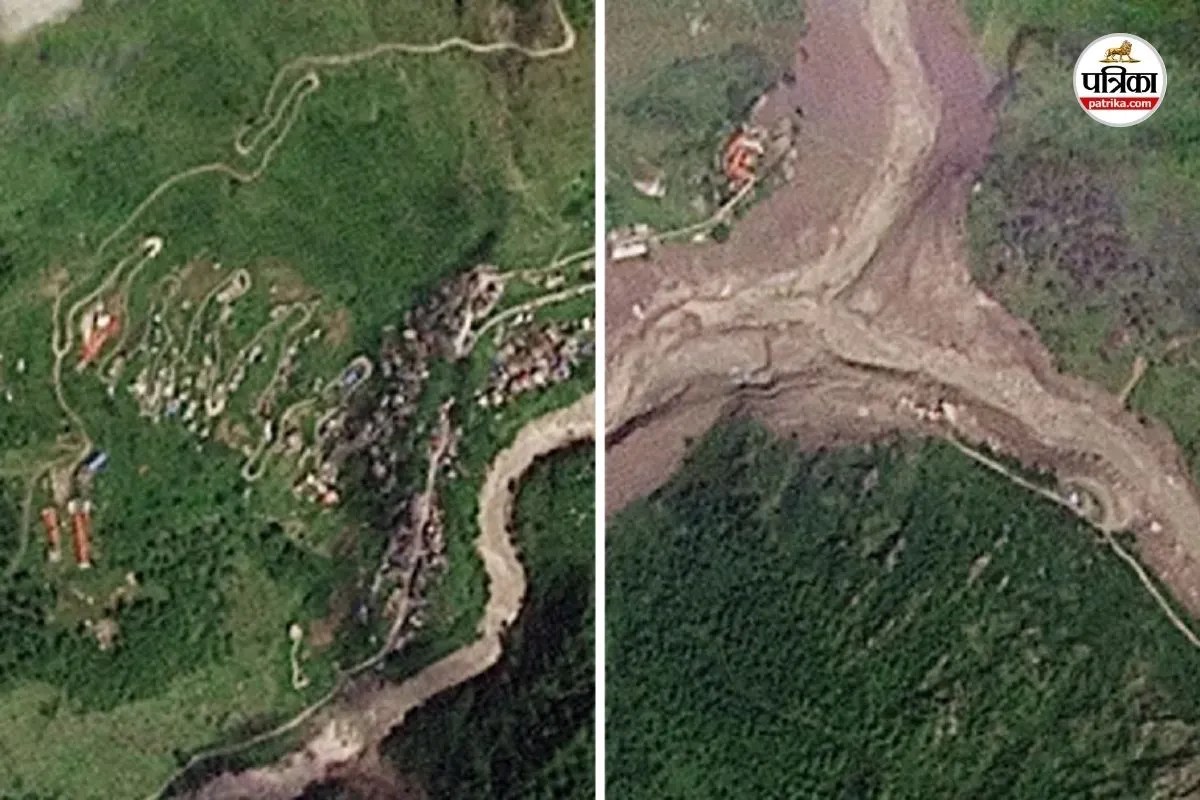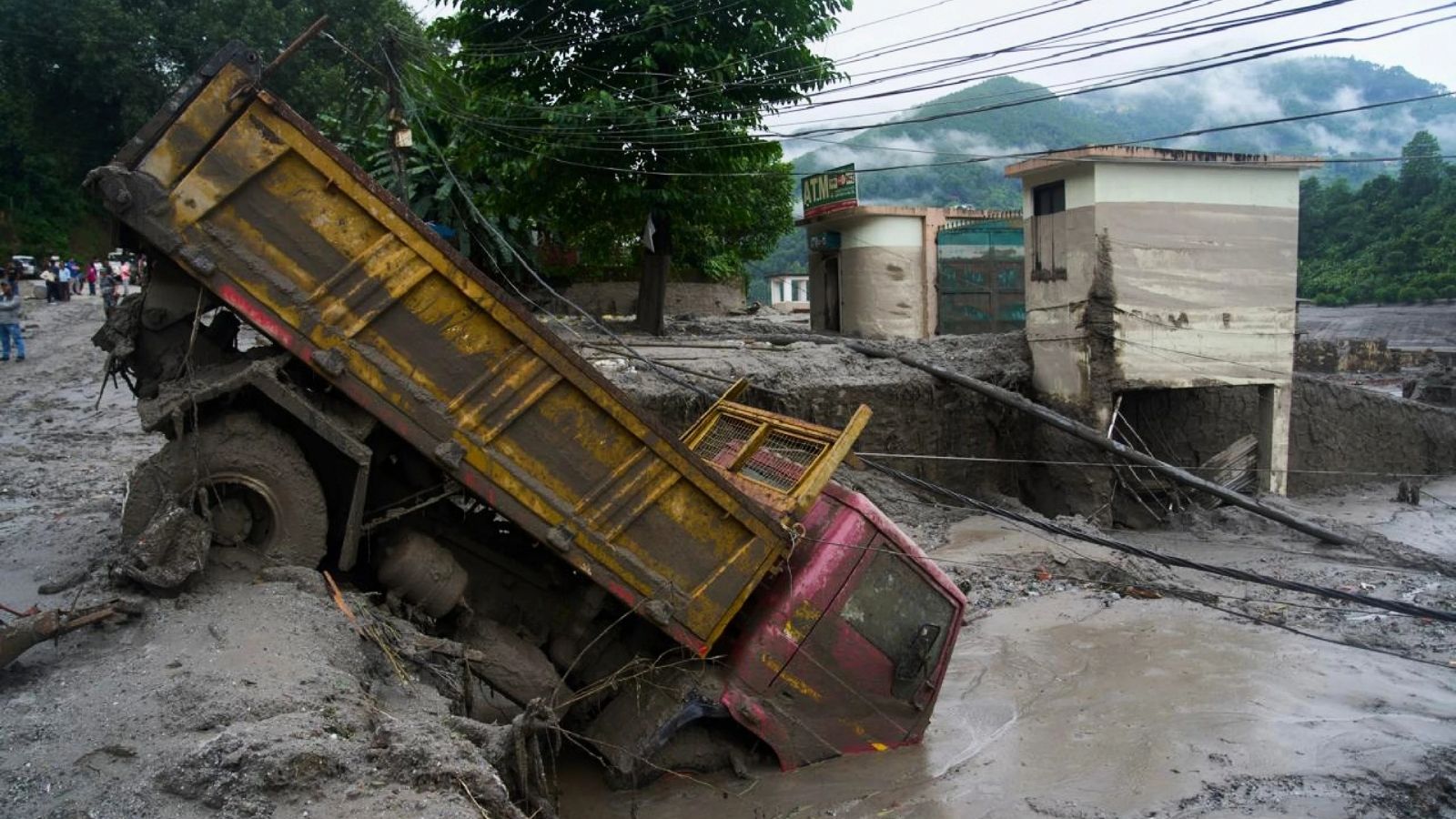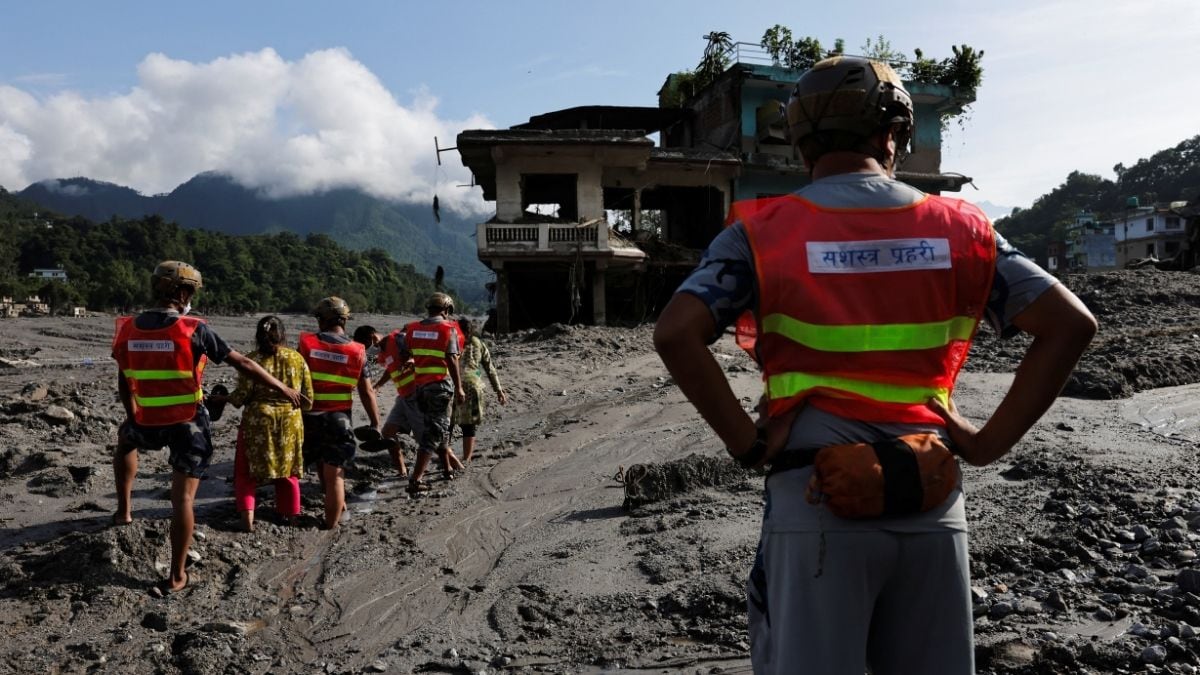
The catastrophic flash floods and mudslides triggered along the Bhotekoshi and Trishuli river systems near the Nepal-China border exposed more than structural vulnerabilities in Himalayan infrastructure. When the Nepalese government formally declined offers of assistance from multiple states—including a specific proposition from New Delhi to deploy the National Disaster Response Force (NDRF)—external commentators framed the decision as diplomatic friction. That interpretation mistakes operational sovereignty for political posturing. Kathmandu's refusal operates on a rational calculus shaped by institutional history, logistical friction costs, and the domestic imperative of state-led disaster management.
To deconstruct this decision, one must analyze the structural economics of international disaster relief. When a sovereign state accepts foreign specialized rescue units, it incurs hidden administrative overhead. Command fragmentation represents the primary hazard in mass-casualty emergency zones.
The three primary variables governing this refusal are operational friction, historical precedent, and domestic agency preservation.
The Operational Friction of Foreign Deployments
Deploying external search and rescue units into mountainous terrain introduces acute coordination bottlenecks. Foreign teams require local logistical footprints, dedicated communication channels, security details, and transport allocations. In a theater where domestic security infrastructure is already overextended across rugged gorges and washed-out infrastructure, managing inbound foreign assets diverts finite command bandwidth away from primary life-safety missions.
The Nepalese Foreign Ministry and domestic security apparatus evaluated the marginal utility of external manpower against the administrative burden of integration. The Nepalese Army and Nepal Police maintained that their boots-on-the-ground familiarity with local topography, language dialects, and micro-regional access points yielded higher operational velocity than external units requiring acclimatization and baseline intelligence briefings.
The Institutional Shadow of 2015
Institutional memory dictates disaster response policy. Kathmandu's posture is directly informed by the operational bottlenecks experienced during the aftermath of the 2015 Gorkha earthquake. While operations such as India's Operation Maitri provided vital mass-casualty assistance, the sudden influx of uncoordinated international teams, NGOs, and foreign military contingents created severe airspace congestion at Tribhuvan International Airport, redundant relief duplication in urban centers, and structural confusion regarding command authority.
The 2015 precedent established a clear strategic lesson for Nepalese planners: decentralized foreign assistance complicates internal crisis management. By rejecting external search and rescue teams from India, China, and Western nations, Kathmandu insulated its internal command architecture from jurisdictional friction. The establishment of the Emergency Response Team (ERT) as a single-door coordination mechanism reflects an intentional shift toward centralized state control, ensuring that external aid remains channeled through financial contributions and material consignments rather than autonomous foreign personnel operating inside sovereign territory.
The Dual-Track Reality of Border Disasters
The crisis also highlights a structural dichotomy in transboundary water management and population movement. While search and rescue operations remain strictly localized under Nepalese jurisdiction, the downstream implications require distinct bilateral management. The glacial lake outburst flood (GLOF) potential and surging river volumes on the Gandak basin forced Indian authorities to place NDRF teams on high alert within Uttar Pradesh and Bihar.
Concurrently, the stranded demographic trapped across the border—including thousands of Indian pilgrims returning from the Kailash Mansarovar yatra via Tibet—created parallel consular pressures. The inability of foreign rescue units to operate inside Nepal does not preclude bilateral coordination; rather, it forces a strict division of labor. Nepal manages direct extraction and domestic security within its borders, while India manages downstream flood mitigation, consular helplines, and repatriation logistics once evacuees reach designated border transit corridors.
Strategic Outlook
The rejection of foreign rescue deployment signals a maturing security doctrine in Kathmandu. Sovereign governments facing high-intensity climate shocks increasingly prioritize institutional autonomy over rapid external rescue influxes. Future transboundary crisis management protocols between India and Nepal will likely institutionalize this decoupling, separating immediate internal search-and-rescue sovereignty from secondary financial, rehabilitation, and downstream hydrological cooperation.