The suitcase zippers shut with a satisfying snap. Inside lie the rolled linen shirts, the high-SPF sunscreen, the paperback novel with the cracked spine, and the quiet expectation of absolute escape. We spend months saving for these two weeks. We plan the flights. We scout the beaches on glowing phone screens. We dream of salt air and slow mornings.
Nobody dreams of a microscopic single-celled organism.
Yet, beneath the postcard veneer of tropical resorts and sun-drenched coastal villages, something ancient and invisible waits. It does not care about your itinerary. It does not respect your hard-earned vacation days.
Let us talk about what happens when paradise fights back.
The Anatomy of an Unplanned Interruption
Picture Sarah, a graphic designer from Chicago who finally cashed in two years of accumulated overtime for a ten-day escape to a luxury resort in the Caribbean. She arrived exhausted. She intended to spend her days horizontal on a lounger, listening to the rhythmic percussion of the waves.
By day four, the lounger was a distant memory.
Sarah’s vacation did not end with a slow fade into the sunset. It ended in a sterile foreign clinic, clutching a bottle of electrolytes while a local physician used gentle, sympathetic gestures to explain a term she had never heard before. Cyclospora.
It sounds clinical. Almost delicate. It is anything but.
When people think of travel sickness, they usually picture the predictable blues of standard food poisoning—a fleeting twenty-four-hour inconvenience brought on by a rogue street taco or a lukewarm shrimp. That is amateur hour. What Sarah encountered was a protozoan parasite, a microscopic saboteur known formally as Cyclospora cayetanensis.
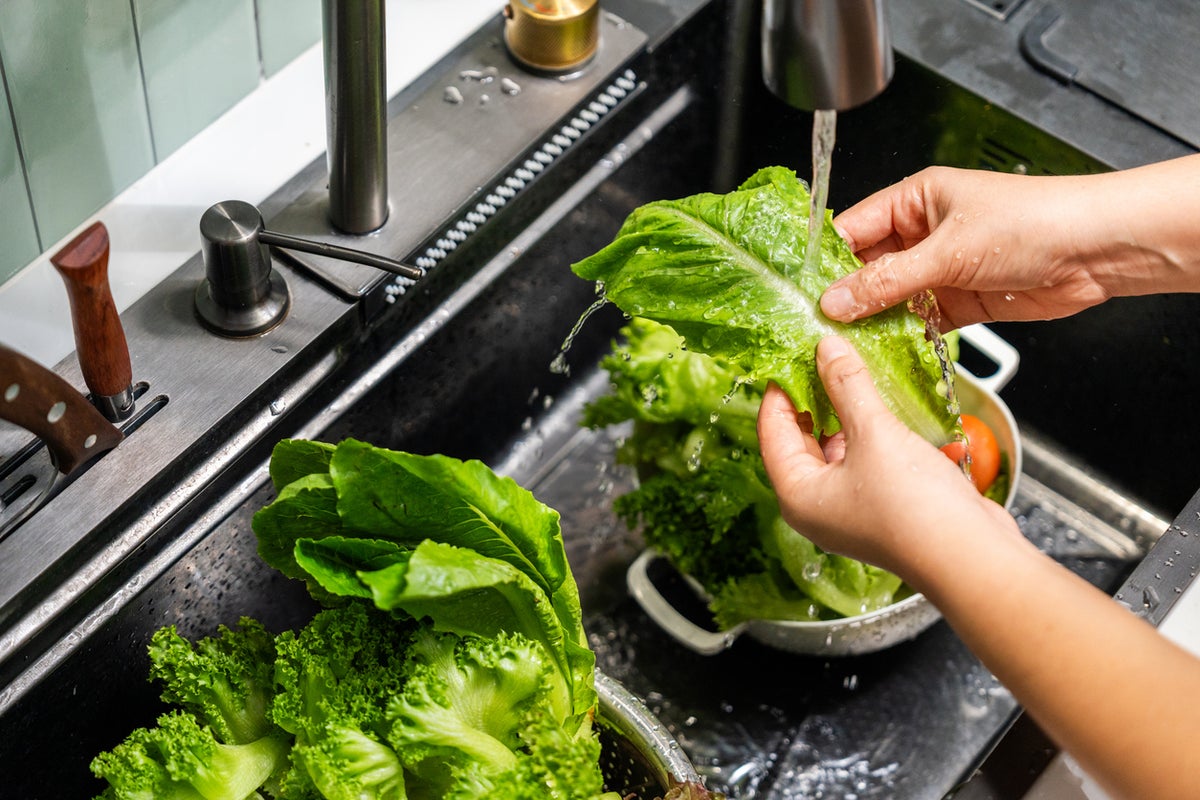
This organism is a master of disguise and endurance. Unlike bacteria that die off quickly in harsh environments, cyclospora has a protective outer shell that allows it to survive for weeks in soil, water, and on unwashed produce. It hitches a ride on fresh raspberries imported from regions with compromised irrigation, or crisp basil leaves garnishing a sunset cocktail. You cannot see it. You cannot smell it. It looks entirely innocent sitting on top of your artisanal salad.
Then you eat it. And the countdown begins.
The Silent Invasion
There is a strange loneliness to falling violently ill thousands of miles away from home.
In your own kitchen, sickness is manageable. You know where the extra rolls of soft toilet paper are. You know which soup brand brings comfort. Abroad, every simple logistical act becomes an expedition requiring monumental effort.
The incubation period for cyclospora is a cruel trick. It typically takes about a week from ingestion for the symptoms to detonate. This means you might return home, unpack your souvenirs, throw your laundry into the washing machine, and return to your desk job before the storm hits. You blame the office coffee. You blame the local diner down the street.
You do not suspect the resort pool bar three thousand miles away.
When the infection takes hold, it wastes no time. The primary symptom arrives with an aggressive, watery fury that earned the condition its stark, colloquial warning labels: explosive diarrhoea.
It is a clinical phrase that fails to capture the raw, exhausting reality of the experience. The body mounts a desperate defense, purging everything in a relentless cycle that leaves muscles aching and skin clammy. Fatigue settles into your bones like wet lead. Cramps twist through the abdomen with sharp, unpredictable timing. Low-grade fevers dance across your skin, alternating between chills and sudden flushes of heat.
Sarah spent three days staring at the popcorn ceiling of a hotel room she was paying hundreds of dollars a night to inhabit. She did not see the ocean. She did not read her book. She spent her time calculating the distance to the nearest bathroom and wondering if her travel insurance covered medical repatriation.
Why Standard Remedies Fail
Here is where many travelers make a dangerous miscalculation.
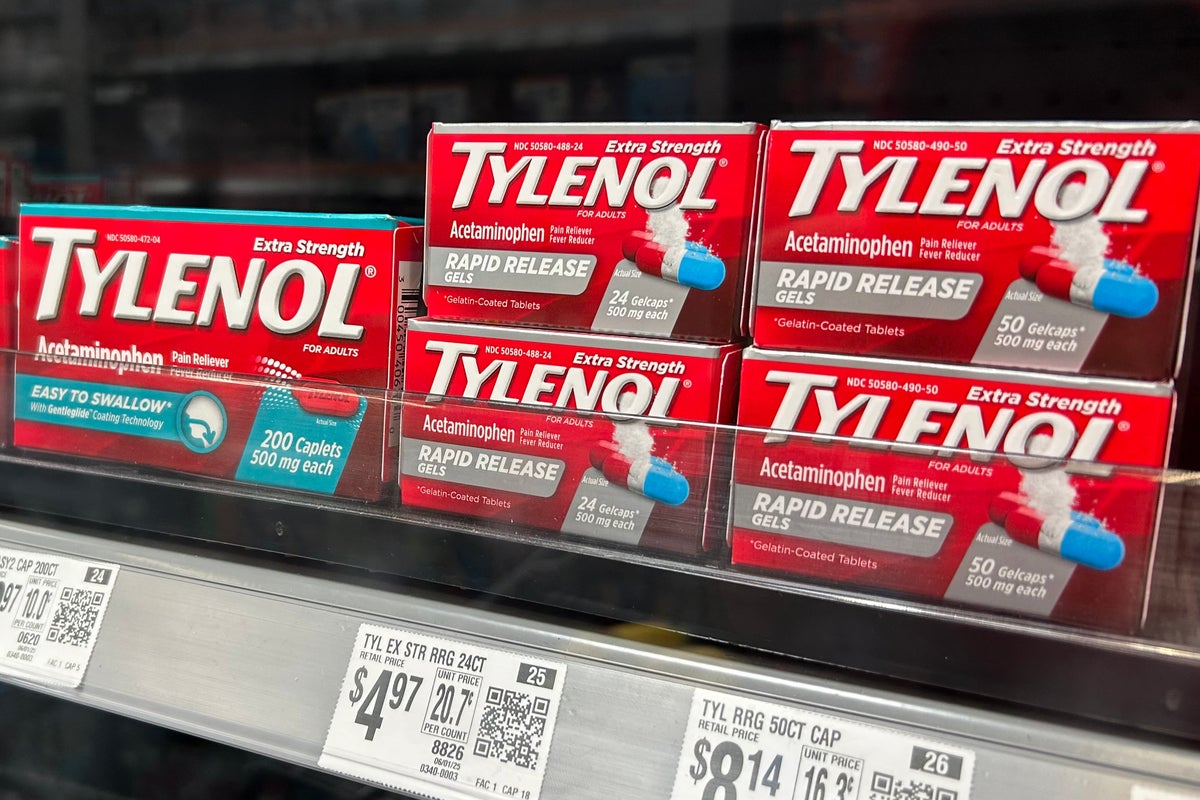
When the stomach turns, our cultural reflex is immediate: reach for the over-the-counter anti-diarrheal medication. Pop a couple of pink tablets. Drink some ginger ale. Wait it out.
Against standard bacterial bugs, that strategy sometimes works. Against cyclospora, it is like bringing a garden hose to a forest fire.
Because this is a parasite rather than a bacterium or a virus, common remedies do not kill the invader. They merely trap it, slowing down the gut motility and allowing the microscopic interloper to dig deeper into the small intestine. The misery prolongs. Weeks bleed into months. People lose ten, fifteen, twenty pounds without trying, watching their clothes hang loosely off frames weakened by chronic malabsorption.
This is the hidden cost of globalized food supply chains. The berries you eat at a breakfast buffet in a five-star international hotel might have been harvested by a farmer in a completely different hemisphere, washed in untreated water, and shipped across oceans in refrigerated cargo holds. The parasite survives the chill. It survives the transit. It waits for you.
Diagnosis requires more than a sympathetic nod from a doctor. It demands stool microscopy, sometimes enhanced with acid-fast staining or molecular polymerase chain reaction tests that hunt for the specific genetic signature of the organism.
And the cure? It is remarkably specific. Standard antibiotics like azithromycin or ciprofloxacin will often leave the patient scratching their head as symptoms persist. The gold-standard treatment is a prescription combination of trimethoprim and sulfamethoxazole, commonly known as Bactrim or Septra. For people allergic to sulfa drugs, alternative therapies like nitazoxanide must be carefully managed by a physician.
It requires precision medicine for a microscopic invader.
The Art of Defending Paradise
Does this mean we should lock our doors, cancel our flights, and view every fresh salad leaf as a potential biohazard?
Of course not. Fear is a poor travel companion. But ignorance is a dangerous one.
Protecting yourself against cyclospora and similar enteric parasites requires shifting your relationship with food and water when you cross borders. The old traveler adage—boil it, cook it, peel it, or forget it—sounds like a cliché, but it was forged in the crucible of hard-earned human misery.
Raw berries, delicate leafy greens, and fresh herbs are the most common vehicles for cyclospora outbreaks because their textured surfaces trap microscopic water droplets and make thorough washing nearly impossible. In regions where water infrastructure is vulnerable, ordering a Caesar salad or a garnished cocktail is an exercise in high-stakes roulette.
Opt for foods that are piping hot. Choose fruits you must peel yourself, like bananas or oranges, where the protective skin creates a natural barrier against contamination. Be suspicious of ice cubes if you have doubts about the local municipal water treatment facilities.
These adjustments require a tiny sacrifice of culinary pleasure for the sake of bodily sovereignty. It is a trade most people are willing to make once they have stared down the barrel of a multi-week parasitic infection.
The Lingering Echo
Months after Sarah returned home, long after the prescription finished its work and her weight stabilized back to normal, the psychological residue remained.
Travel changes us. Sometimes it changes us through the awe of standing before ancient ruins or watching a desert sunrise. Sometimes it changes us by teaching us deep, somatic humility.
She still travels. She still packs the linen shirts and the paperbacks. But now, when she sits down at a breezy outdoor café overlooking a turquoise sea, she looks at the decorative sprig of mint floating in her glass. She smiles, gently lifts it out, and sets it aside.
She knows what lives in the shadows of paradise. And she refuses to let it ruin the trip twice.