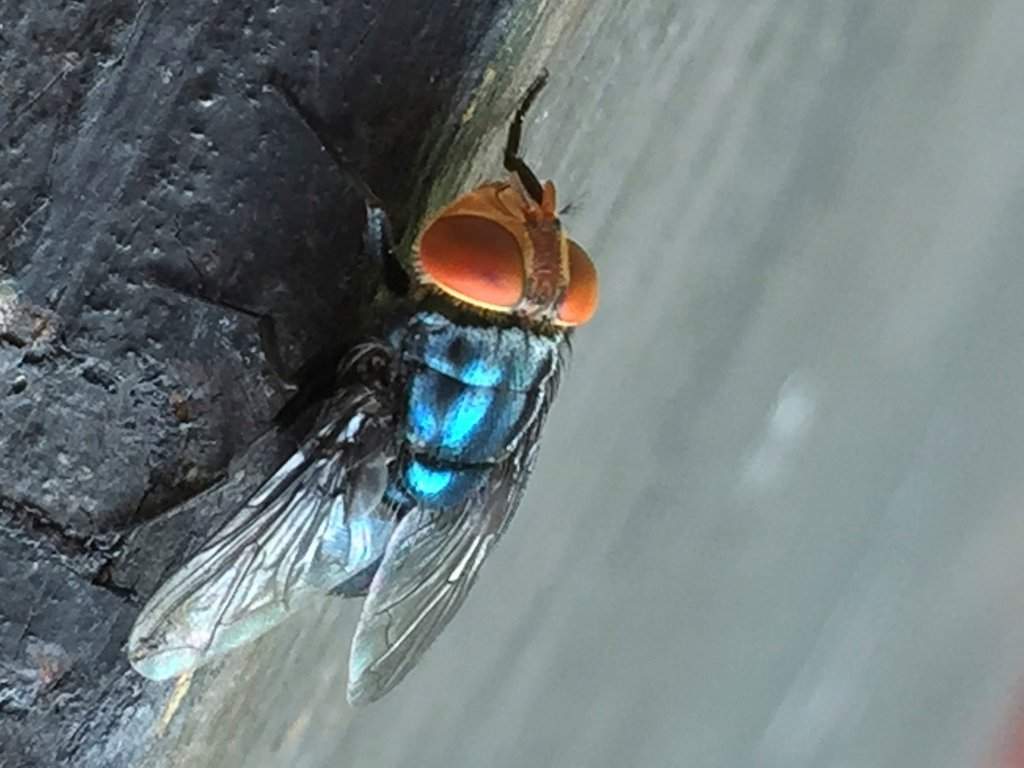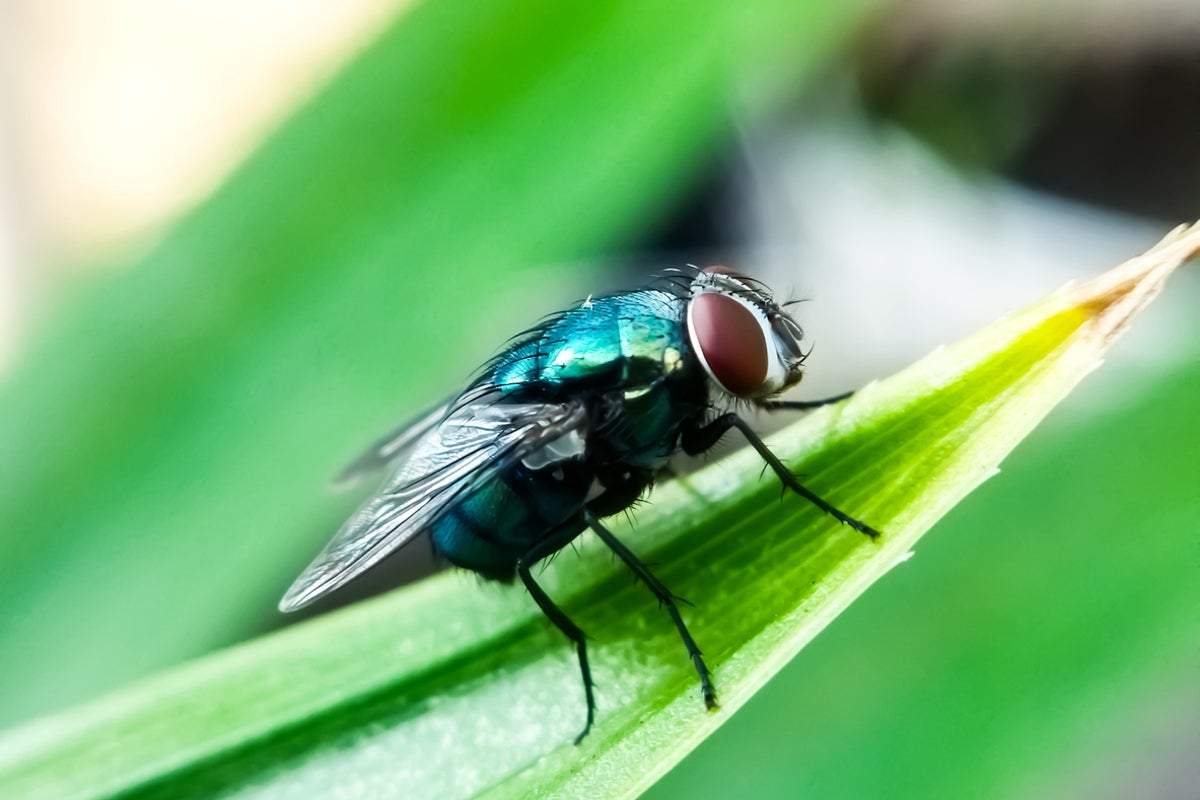
The dirt under a fingernail. The microscopic debris brushed off a toddler’s knee after a tumble in the grass. Usually, these are the tiny, forgotten prices of a day spent outside. But across the American South, the soil has begun to whisper a different story. It is a story about a quiet shift in the ecosystem, one that turns an afternoon of gardening or a walk through a humid pasture into a high-stakes gamble with a parasite most people have never heard of.
The headlines call it a "flesh-eating parasite." The phrase itself triggers an immediate, visceral horror, conjuring images of sci-fi plagues and Hollywood contagion. The clinical name is Leishmania. For decades, it was widely considered an exotic problem, something picked up in the dense jungles of Central America or the arid expanses of the Middle East. It belonged to travelers, soldiers, and scientists.
Not anymore.
The biological reality has changed. The sandflies that carry this microscopic organism have quietly claimed the American South as their permanent home, moving through the soft underbrush of Texas, Louisiana, Mississippi, and beyond. This is no longer a tropical import. It is local. It is in the backyard.
The Bite on the Porch
To understand how a policy change in a government building connects to a family barbecue, consider a hypothetical composite of the people currently finding themselves on the front lines of this ecological shift. Let’s call her Sarah.
Sarah is a landscape designer in North Texas. She spends her mornings with her hands in the black clay, planting hydrangeas and checking irrigation lines. She knows the local insects like the back of her hand—the aggressive fire ants, the mid-summer cicadas, the standard-issue mosquitoes. One evening, while sitting on her porch watching the fireflies, she feels a tiny, sharp prick on her forearm. It is smaller than a mosquito bite. It barely itches. She brushes it off.
Two weeks later, the bite hasn't vanished. Instead, it has hardened into a small, dusky red bump. Another month passes, and the bump opens up, forming a painless, crater-like ulcer with raised borders. It looks like a cigarette burn that refuses to heal.
This is cutaneous leishmaniasis. The parasite multiplies inside the human immune cells, slowly destroying the surrounding tissue. It doesn't happen with the explosive speed of necrotizing fasciitis, but rather with a patient, relentless persistence.
When Sarah finally goes to a local clinic, the doctor looks baffled. They prescribe antibacterial ointment. It fails. They prescribe oral antibiotics. Nothing changes. Because the disease has been historically rare in the United States, the medical community's collective radar is only just beginning to ping. The true danger of a shifting parasitic boundary isn't just the organism itself; it is the gap in our collective awareness.
The Vectors in the Velvet
The creature responsible for this transmission is the sandfly. The name sounds gentle, almost coastal, bringing to mind sunny dunes and ocean breezes. The reality is far less idyllic.
Sandflies are tiny—about a third of the size of a standard mosquito. They are silent. They do not hum in your ear before they strike. They are nocturnal, emerging during those heavy, humid Southern nights when the air feels thick enough to drink. Unlike mosquitoes, which pierce the skin like a needle, sandflies use their mouthparts to create a tiny pool of blood from which they feed. If the fly is infected with Leishmania protozoa, those microscopic hitchhikers seize the moment to migrate into the host.
For a long time, the winters in the Southern United States were just harsh enough to keep these populations in check, restricting their lifecycle and territory. But look at the data from the past decade. The hard freezes are shorter. The humid summers stretch deeper into autumn. The ecological margins have shifted.
When the climate alters even slightly, the maps must be redrawn. Wildlife biologists tracking the movement of small mammals—like woodrats, which act as a natural reservoir for the parasite—have noted a steady northward migration. The sandflies follow the rodents. The parasite follows the sandflies. And eventually, humans cross paths with all three.
The New Rules of the Playground
This biological creep explains why health authorities across several Southern states have quietly begun altering public health protocols. It started with updated guidance for dermatologists and infectious disease specialists, urging them to look for Leishmania in patients who haven't traveled outside the country.
But the regulations are moving beyond the clinic walls into land management, veterinary medicine, and local governance.
Consider the implications for suburban development. New neighborhoods are constantly pushing into what used to be wild scrubland and forest. When bulldozers clear the brush, they displace the native rodents and the sandflies that feed on them. The insects don't vanish; they relocate to the manicured lawns, the shaded patios, and the dog parks of the brand-new subdivisions.
Because of this, new environmental guidelines are focusing on vector control methods that differ significantly from traditional mosquito abatement. Standard mosquito spraying often happens at dusk from trucks driving down suburban streets. Sandflies, however, fly low to the ground and rarely travel far from their breeding sites in dark, moist organic matter like leaf litter or rotting tree stumps. Spraying the air doesn't touch them.
The new rules mean shifting how cities manage public parks and how developers clear land. It means instructing park rangers to wear heavier protective clothing and clearing deadwood away from public walking trails. It means recognizing that the old ways of managing the Southern outdoors require an upgrade.
The Animal Connection
The stakes get higher when you look at the family dog. In many parts of the world where Leishmania is endemic, domestic dogs are the primary reservoir for the parasite. When a sandfly bites an infected dog, it picks up the organism and can then pass it to a human during its next meal.
While the specific strain currently established in the US relies mostly on wild rodents, veterinarian clinics across the South are seeing a rise in canine cases, particularly in hunting dogs that spend long hours in the woods. The disease in dogs is heartbreaking. It causes skin lesions, hair loss, kidney failure, and long-term suffering.
Protecting a community means protecting its pets. New veterinary guidelines are urging owners in high-risk zones to use specific insect-repelling collars and to keep animals indoors during peak sandfly activity hours—from dusk until dawn. It is a subtle rewrite of the daily routine. The late-night game of fetch in the backyard suddenly requires a second thought.
The Weight of the Invisible
There is an emotional toll to this kind of ecological transition. It introduces a subtle undercurrent of anxiety to the places where we are supposed to feel safest. Your home. Your garden. The park down the street.
When an illness is visible and fast, society reacts with urgency. When it is slow, quiet, and mimics common skin conditions, it breeds a different kind of trouble. Patients often spend months bouncing from one specialist to another, watching a mysterious sore grow on their face or arm, enduring the psychological weight of an undiagnosed affliction while the medical bills pile up.
The treatment for leishmaniasis isn't as simple as taking a pill for a week. It often requires specialized, sometimes toxic anti-parasitic medications that must be sourced directly from the Centers for Disease Control and Prevention. The process is a bureaucratic and medical gauntlet.
This is why the new regulations and public health campaigns are so vital. They are designed to break the cycle of ignorance before the parasite becomes a household name. The goal is to make a diagnosis as mundane as identifying poison ivy, stripping away the terror of the unknown.
The Shift Beneath Our Feet
We like to think of our world as static. We draw lines on maps and assume the natural world respects the boundaries of states and countries. We assume that the diseases of the tropics will stay in the tropics.
But nature is fluid. It responds to warmth, moisture, and opportunity. The arrival of Leishmania as a native resident of the American South is a reminder that the environment we live in is constantly negotiating its terms with us.
Adapting to this new reality doesn't mean retreating indoors or paving over every green space. It means learning the new rules of engagement. It means understanding that a tiny fly in the twilight requires a new kind of vigilance.
The sun sets over a quiet neighborhood in Louisiana. The air is warm, thick with the scent of pine and damp earth. A child drops a toy into the tall grass at the edge of the yard. As they reach down to pick it up, a tiny, speckled insect rises silently from the leaves, caught for a fraction of a second in the amber glow of the porch light before vanishing into the shadows.