The text message arrives with a vibration that feels less like a notification and more like an electric shock. It does not matter if it is 2:00 AM or midday. When the screen lights up with an official military decree, the air leaves the room.
For the residents of ten specific villages across southern Lebanon, this was the moment reality fractured. A digital flyer, dropped onto social media feeds and broadcasted over airwaves, listed their homes by name. The instruction from the Israeli military was stark, clear, and uncompromising: leave immediately and move north of the Awali River.
Behind the clinical language of a military evacuation order lies a frantic, chaotic human scramble.
What do you grab when your entire existence must fit into the back of a sedan or a single nylon bag? You reach for the essentials, of course. Identification papers. Deeds to the house. Medications. But then your eyes dart around the rooms. The framed wedding photograph. The vintage sewing machine that belonged to a grandmother. A child’s favorite stuffed bear, missing one eye.
The mind plays tricks under the weight of an impending bombardment. It struggles to weigh the practical against the sentimental. In those frantic minutes, choices are made that will be dissected for decades. You lock the front door, knowing deep down that a piece of brass in a wooden frame offers no protection against an airstrike, but you do it anyway. Because to lock the door is to believe, if only for a second, that you will return.
The Geography of Flight
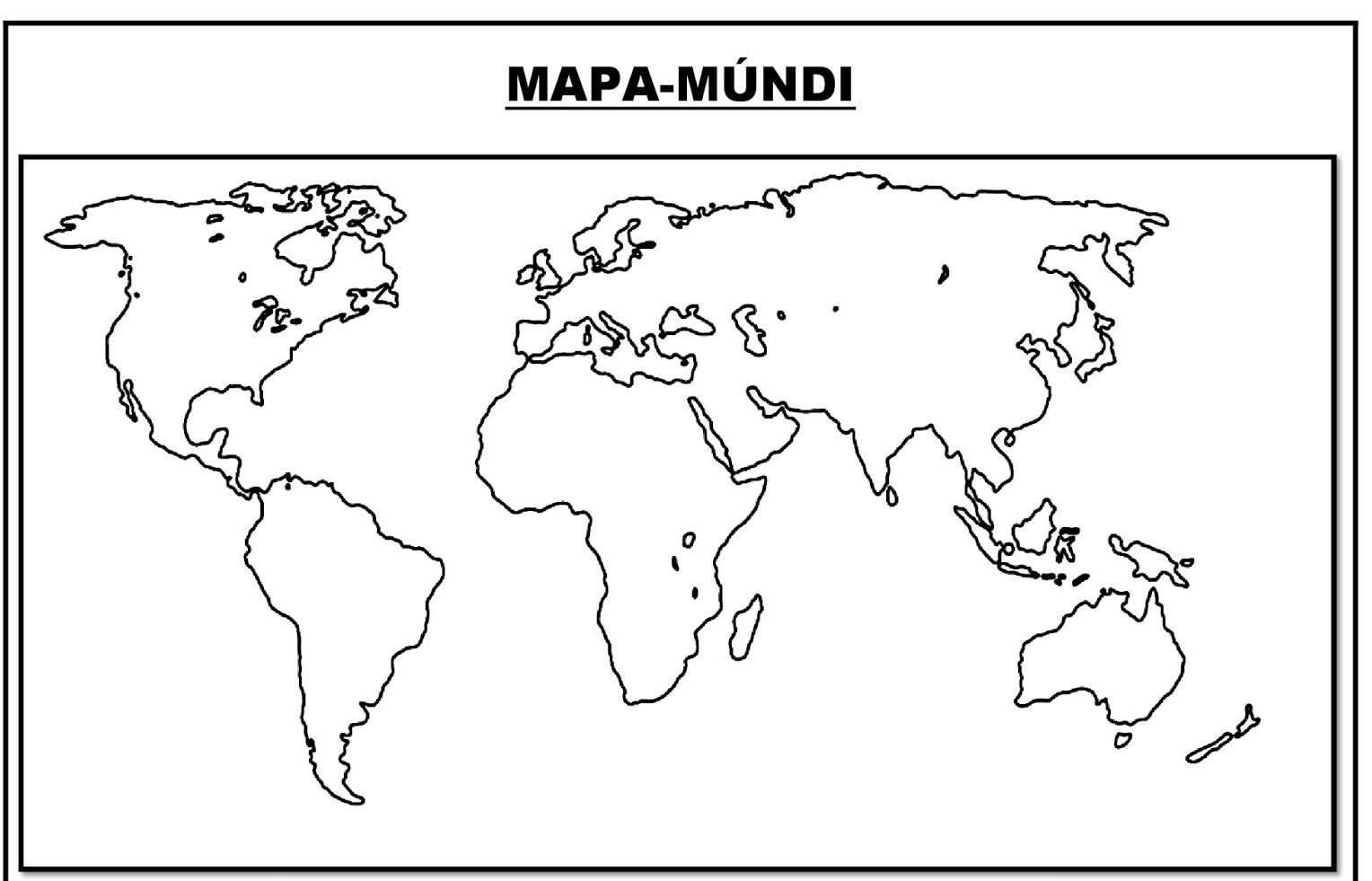
The Awali River flows from the Lebanon Mountains down to the Mediterranean Sea, cutting a natural line across the landscape just north of Sidon. For the military planners, it is a convenient tactical boundary, a line on a map used to demarcate a new zone of operations. For a family fleeing with nothing, it is a distant, terrifying horizon.
Consider the sheer logistics of displacement. This is not a planned vacation. It is an exodus.
When ten villages are emptied simultaneously, the narrow, winding roads of southern Lebanon choke with traffic. Bumper-to-bumper panic. Engines overheat. Horns blare, a useless, angry chorus against the backdrop of distant artillery thuds. Gasoline becomes more valuable than gold, and every tick of the dashboard clock feels like a countdown.
The sheer scale of this displacement reshapes the entire country. Schools in Beirut and Sidon transform overnight into makeshift shelters. Classrooms that once echoed with the sounds of children learning times tables are partitioned with hanging bedsheets, offering a fragile illusion of privacy to families who have lost everything else. Gymnasiums become communal bedrooms.
This is the hidden math of conflict. Every strike, every evacuation order, multiplies the number of people relying on a strained network of humanitarian aid. It stretches resources that were already dangerously thin after years of economic crisis.
The Anatomy of an Order
To understand the weight of these warnings, one must look at how the conflict has evolved. The Israeli military maintains that these targeted evacuation orders are designed to protect civilians, giving them ample warning to clear areas where Hezbollah infrastructure is embedded. From a purely strategic standpoint, it is a move intended to clear the battlefield, removing the complication of non-combatants from a high-stakes kinetic environment.
But the ground truth is far more complicated.
For the civilians caught in the crossfire, the warnings carry a double-edged sword. To stay is to risk death in a collapsing concrete tomb. To leave is to step into a black hole of uncertainty. Where will they sleep? How will they feed their children? When, if ever, will the security situation permit a return?
The psychological toll is a quiet, creeping trauma. It accumulates with every siren, every distant boom, and every fresh notification on a smartphone.
The Disruption of the Ordinary
We often view geopolitical conflicts through the lens of macro-politics, troop movements, and diplomatic statements. We analyze the rhetoric of leaders in comfortable television studios. But the real story of war is always micro. It is found in the disruption of the deeply ordinary.
It is found in the farmer who must leave his olive groves just as the harvest approaches. Those trees, some centuries old, require care and attention. To abandon them is to abandon a livelihood, a connection to the soil that spans generations.
It is found in the shopkeeper who pulls down the metal shutter, wondering if the inventory he poured his life savings into will be reduced to ash before the week is out.
It is found in the elderly woman who refuses to leave her bed, declaring that she has lived through too many wars to run from another one, forcing her adult children to make the agonizing choice between staying with her or forcing her into a car against her will.
These are the unseen casualties of displacement. There are no craters to mark their loss, no casualty lists to record their grief. Yet, the destruction of a community's fabric is just as real, and just as permanent, as the collapse of a concrete tower block.
The traffic on the northward highway eventually slows to a crawl, then to a complete halt. The red tail lights stretch out into the darkness like a long, bleeding vein across the hills of Lebanon. In the backseat of a crowded car, a young boy presses his forehead against the cool glass of the window, watching the horizon behind him light up with a silent, distant flash. He does not ask if they are there yet. He only looks back at the sky, waiting for the sound that always follows the light.