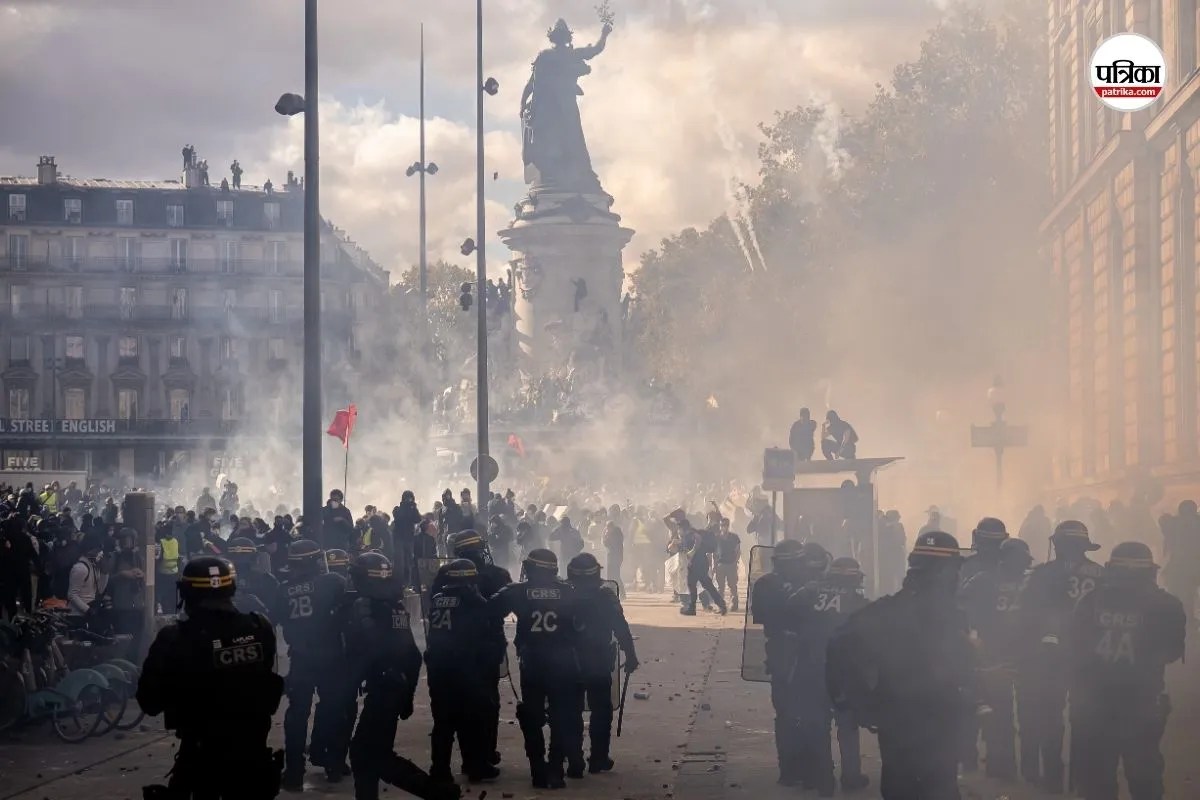
Cold rain drums against fluorescent yellow fabric. That sound is the first thing you notice when a local grievance turns into a national reckoning. Before the slogans are painted onto asphalt, before the cameras arrive from Paris or Brussels, before political analysts draw neat arrows on television screens, there is just the smell of damp wool, diesel exhaust, and cold coffee poured from a dented thermos at five in the morning.
When a story is summarized as a local protest tapping into simmering national anger, it can sound like a neat equation: trigger plus background pressure equals explosion. Neat equations are tidy. Real people are not. Anger in a country as fiercely proud and historically combustible as France rarely arrives out of nowhere, yet it almost always needs a concrete object to strike. A toll booth. A fuel pump. A rural clinic closing its doors. A small town square where everyone knows who works two jobs just to keep the heating on through February.
To understand how a neighborhood stand-off becomes a mirror held up to an entire republic, you have to step away from the wide aerial shot and walk right up to the perimeter.
The Road That Nobody Meant to Block
Picture a hypothetical small town—let us call it Saint-Gilles, somewhere between a market hub and an industrial corridor that lost its big factory twenty years ago. This is a composite scenario built from patterns seen repeatedly across French towns and suburbs, designed to show how ordinary days bend under sudden pressure.
In this hypothetical town, Claire wakes up before dawn because her shift at a regional logistics depot starts sixty kilometers away. Her car is fifteen years old. Every winter, she watches the dashboard with a quiet dread that has nothing to do with mechanics and everything to do with arithmetic. When the cost of getting to work rises faster than her paycheck, her commute stops feeling like a routine and starts feeling like a penalty for showing up.
One Tuesday morning, a handful of people gather at a roundabout on the edge of town. Maybe it starts with a dozen neighbors holding handmade signs—not seasoned activists with megaphones, just people who shop at the same bakery and argue about municipal budgets at the Saturday market. Someone brings folding chairs. Someone brings a pallet of wood for a barrel fire.
At first, it looks contained. Local. Almost quaint to anyone watching from a glass tower thirty miles away.
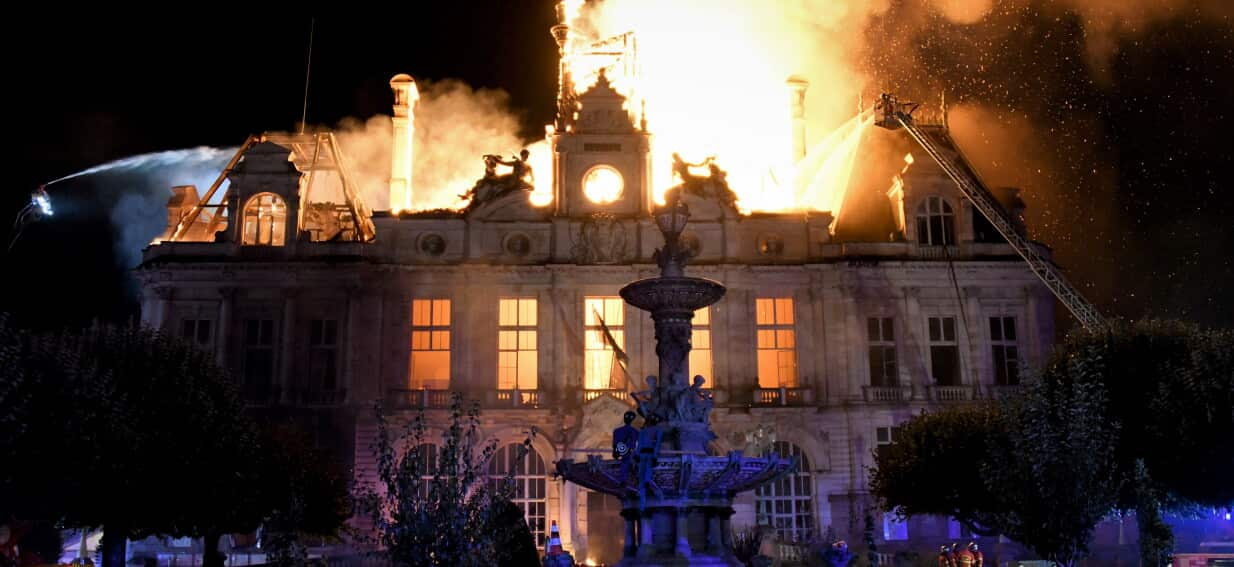
Yet anger does not stay polite when it has been waiting in line for years. A local dispute over a specific fee, a closed route, or a sudden policy shift acts like a match dropped near dry brush. The brush was already there. It was dried by years of feeling unheard, by watching public services thin out while living costs climbed, by the quiet insult of decisions made in distant offices by people who never drive that road in sleet.
A spark does not create the heat in the wood. It simply gives the heat a way out.
Why does a local flare-up catch fire across an entire country? Because millions of people in hundreds of other towns recognize the exact same knot in their own stomachs. A commuter in Normandy feels the same squeeze as a care worker in Auvergne or a young renter in a banlieue outside Lyon. When one group stands its ground over something tangible, everyone else sees their own unspoken frustration wearing high-visibility cloth.
The Architecture of Simmering Frustration
People often ask a deceptively simple question whenever unrest spreads across France: why does protest feel so woven into the civic fabric there compared with other places?
Part of the answer is historical memory. France has a long, complicated relationship with authority, street politics, and collective action. Generations have grown up knowing that petitions sometimes gather dust while visible disruption forces doors open. That history creates a cultural script. When grievances pile up, taking to the streets or blocking a choke point is not an alien act; it is a recognized language.
Another part is economic geography. Think of a country's economy like a house where the insulation is uneven. In major city centers, wages, transit links, and cultural energy can feel abundant, even when housing is brutal. Further out—in smaller towns, peri-urban belts, and rural stretches—people often depend heavily on personal vehicles, long drives, and tighter household margins. When prices spike or local institutions retreat, the people with the least financial cushion feel the impact first and sharpest.
Consider what happens next: once a local protest draws attention, it becomes a magnet for grievances that were never on the original flyer.
A gathering that began over one specific burden suddenly carries weight from elsewhere. Someone is furious about healthcare wait times. Someone else is exhausted by rising groceries or stagnant wages. Another person feels dismissed by political rhetoric that treats working families like statistics on a spreadsheet rather than neighbors trying to buy school shoes.
Confusion sets in quickly—both for bystanders and for people inside the movement itself. What is the main demand now? Who speaks for whom? Why did a peaceful morning blockade turn tense by nightfall?
Honestly, it is easy to get lost in the noise when a story shifts from a local dispute to a national flashpoint. Even seasoned observers sometimes misread the mood in the first forty-eight hours. One day it looks like a narrow, solvable complaint; the next day, it feels like an entire mood shift across the country. Admitting that uncertainty is essential, because pretending everything is obvious from day one is how analysts miss the real human truth.
When the Local Becomes Personal
Let us return to Saint-Gilles in our hypothetical scenario, not to invent drama, but to trace how stakes quietly multiply.
By day three, the roundabout is no longer just a local spot. News vans park along the shoulder. Passersby honk in support—or lean on their horns in frustration because they are trying to reach a hospital appointment or pick up children from school. Both reactions come from real lives under strain. That friction between two groups of ordinary people, both tired, both trying to get through the week, is one of the hardest parts of any widening protest.
Local shopkeepers watch the road. Some worry about deliveries; others worry about the future of their high street if families have less discretionary money left at the end of the month. Mayor's offices field calls from residents who want order restored immediately and from others who say, "If you don't fix what brought them out there, pushing them off the road won't solve anything."
If you have ever stood near a tense crowd on a cold evening, you know the sensory weight of it. Breath pluming in white clouds. Voices rising over traffic. The sudden hush when sirens sound in the distance. You feel how quickly nuance gets flattened when adrenaline rises. On social media or cable news, complex lives turn into two-second clips. A person's entire decade of hard work gets reduced to a posture or a slogan.
Why do leaders and institutions so often look caught off guard when a local protest taps into wider anger?
Because institutions measure stability in calm spreadsheets, while households measure stability in whether the bills clear without panic. A policy or price adjustment can look minor on paper—a few cents here, a scheduled change there—yet land heavily on a family already operating at full stretch. By the time the unrest reaches national headlines, the gap between official intentions and lived reality has usually been widening for a long time.
What Simmering Anger Actually Asks For
Anger is loud, which makes it easy to treat it purely as destruction or noise. Look closer, though, and simmering anger usually contains a quieter, sharper question: Does anyone see what this is costing us?
When a local protest resonates nationwide, it rarely happens because people wake up craving chaos. Most people want predictability. They want work that pays enough to live with dignity, public services that function reliably, and leaders who speak plainly without condescension. Protest often flares when people feel that ordinary channels—voting, writing, waiting—no longer move the needle fast enough.
Still, widening protests carry real risks. Small businesses can get caught in the crossfire. Commuters lose hours. Tensions can harden into rigid camps where nobody listens, making compromise harder just when it is needed most. A movement that starts with clear, relatable pain can lose clarity if every grievance piles onto the same barricade without practical solutions.
That is the tightrope a country walks when local frustration ignites broader anger. Ignoring the underlying pressure only lets the heat build further. Responding only with force or dismissive slogans tends to deepen resentment. Real de-escalation requires addressing the concrete pressures people feel at home and on their daily routes, while protecting everyday safety and civic space.
The Aftermath on Quiet Streets
Weeks or months after the cameras pack up, the story rarely ends with a neat bow.
Laws or policies may shift slightly. Committees may form. Headlines move on to the next crisis. Yet the memory stays in the town—in the conversations at the bakery, in how neighbors look at one another, in whether people feel a little more heard or a little more cynical than before.
Think back to that early morning at the roundabout. Cold rain. Damp wool. Thermos coffee. A handful of people standing beside a road because something small broke on top of things that had been heavy for too long.
Long after the slogans fade from the airwaves, the real test remains right there on the ground: whether a society listens before the next match is struck.