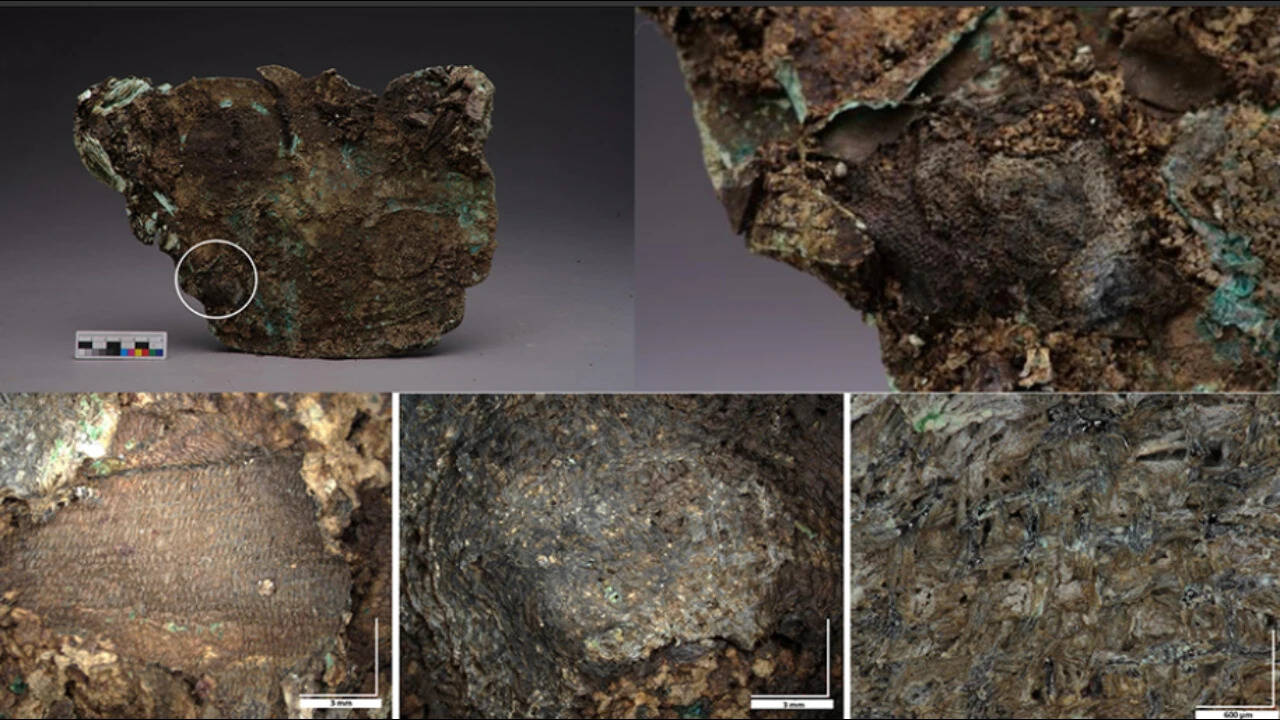
Organic textile degradation creates a massive blind spot in East Asian archaeology, leaving researchers to reconstruct complex Bronze Age and Neolithic societies primarily through inorganic proxies like bronze, jade, and ceramic. The detection of degraded silk fibroin across 101 distinct artifacts in China alters this baseline by proving that organic textiles functioned as structural components of ancient ritual architecture rather than mere decorative garments. By mapping microscopic protein residues directly onto hard surfaces, researchers have established a verifiable physical link between early sericulture and state-level ceremonial systems.
The Taphonomic Bottleneck in Early Sericulture
Standard archaeological recovery operates under a severe preservation bias. Cellulose and protein-based fibers—specifically Bombyx mori silk—undergo rapid hydrolysis and microbial digestion in acidic, fluctuating soil environments. Until recently, the historical timeline of Chinese silk relied on sparse macroscopic anomalies: carbonized fabric scraps, mineralized textile impressions preserved in bronze corrosion products, and indirect tooling evidence like ceramic spindle whorls.
This scarcity forced historians into a skewed analytical model. Because surviving silk fragments were predominantly recovered from high-status burial shrouds, prevailing consensus treated early silk production as a localized luxury industry dedicated to elite apparel. That model failed to account for the scale of early mulberry cultivation or the specialized labor networks required to maintain domesticated silkworm populations across the Yellow and Yangtze River basins.
The identification of silk traces on 101 non-textile objects breaks this taphonomic bottleneck. Instead of searching for intact woven structures, analytical teams utilized immunodetection and mass spectrometry techniques—specifically Enzyme-Linked Immunosorbent Assay (ELISA) and proteomics—to isolate specific amino acid sequences characteristic of silk fibroin.
When silk comes into prolonged physical contact with porous or corroding inorganic materials under burial pressure, trace proteins migrate into the micro-fissures of jade, pottery, and bronze. Even after the macroscopic weave vanishes completely, these molecular signatures remain bound to the substrate. Applying molecular archaeology across a broad sample size transforms silk from an invisible variable into a quantifiable dataset.
Deconstructing the 101-Artifact Dataset
To extract operational value from a sample size of 101 objects, the artifacts must be categorized not by their aesthetic properties, but by their functional substrates and archaeological contexts. The presence of fibroin residues across disparate material classes indicates deliberate, systematic wrapping and binding protocols.
1. Jade Ritual Implements
Jade objects—including cong tubes, bi discs, and ceremonial blades—represent the highest tier of prehistoric and early dynastic ritual capital. Silk residues concentrated along the edges and central perforations of these items confirm that jade was routinely swaddled in woven silk prior to deposition. In ritual practice, bare handling or direct soil contact was restricted; silk acted as a consecrated barrier separating sacred mineral objects from the profane environment.
2. Bronze Vessels and Weaponry
Bronze surfaces provide an ideal preservation matrix through copper mineralization. As burial bronzes oxidize, copper ions leach into surrounding organic materials, creating pseudomorphs—mineral casts that replicate the exact microscopic geometry of the decayed silk fibers. The 101-artifact dataset demonstrates that ritual bronzes, including ding cauldrons and ceremonial halberds (ge), were systematically wrapped in multi-layered silk textiles before internment. The weave density preserved in these mineral casts allows researchers to calculate thread counts and loom sophistication across distinct regional workshops.
3. Ceramic Containers and Bone Tools
The detection of silk traces on utilitarian ceramics and worked bone shifts the analytical boundary beyond elite mortuary contexts. Residues found near vessel rims suggest the use of silk membranes as tensioned seals to protect fermented ritual beverages or grains from contamination. Bone needles and shuttles exhibiting fibroin accumulation provide direct physical proof of localized textile processing, connecting raw material harvesting directly to the sites of ceremonial consumption.
The Operational Mechanics of Ritual Wrapping
The uniform presence of silk across 101 objects reveals a standardized behavioral protocol in early Chinese ritual systems. Wrapping was not an incidental storage method; it was a core mechanism of value creation and symbolic transformation.
In early state formations, political legitimacy depended on controlling access to esoteric ritual knowledge and scarce luxury goods. Silk production required immense caloric and labor inputs: harvesting mulberry leaves, regulating ambient temperatures for larval development, unwinding cocoons in boiling water, and weaving continuous filaments. By wrapping jade and bronze in labor-intensive textiles, ritual specialists compounded the material value of the artifact.
This practice established a three-stage operational sequence for ritual objects:
- Isolation: The newly cast bronze or carved jade was wrapped in unbleached or dyed silk immediately following manufacture, isolating the object from human skin oils and environmental contaminants.
- Consecration: During public or semi-public ceremonies, the act of unwrapping—or presenting the wrapped form—controlled visual access to the sacred object, heightening its psychological authority over observers.
- Decommissioning: Upon the death of an elite lineage member, the artifacts were re-wrapped in fresh silk layers to permanently seal their ritual efficacy within the tomb matrix, removing them from circulation in the living economy.
Methodological Constraints and Analytical Risks
While molecular residue analysis expands the archaeological record, relying on trace fibroin detection introduces specific technical vulnerabilities that require strict calibration to avoid false positives.
Cross-Contamination in Excavation and Storage: Modern handling, museum conservation materials, and airborne fibers present severe contamination risks. If an artifact excavated decades ago was wrapped in modern silk or cotton during transit, subsequent proteomics testing can misattribute contemporary proteins to ancient contexts. Rigorous protocols require sampling exclusively from uncleaned, freshly excavated soil matrices or deep corrosion layers sealed prior to modern exposure.
Species Differentiation Limits: Standard ELISA tests rely on antibody-antigen reactions that confirm the presence of silk fibroin but often lack the resolution to distinguish between domesticated Bombyx mori and wild silkworm species (such as Antheraea pernyi). Misidentifying wild silk exploitation as domesticated sericulture distorts economic reconstructions, as wild harvesting requires foraging networks rather than centralized agricultural infrastructure.
Degradation Asymmetry: Protein survival depends entirely on micro-environmental pH and moisture stability. The absence of silk residues on adjacent artifacts within the same tomb does not prove those objects were unwrapped; it frequently indicates localized water intrusion or alkaline soil spikes that accelerated peptide bond cleavage. Researchers cannot treat negative test results as proof of absence.
Revising the Economic Model of Early China
Integrating this 101-artifact dataset into broader archaeological frameworks forces a structural revision of early Chinese economic history. Sericulture was not a secondary craft industry operating on the margins of bronze metallurgy and jade working. Instead, textile production functioned as the connective tissue linking agricultural surplus to state ritual.
Because silk was systematically consumed—and permanently destroyed—in ritual burials, demand remained artificially high. Unlike bronze, which could be melted down and recast during periods of metal scarcity, ritual silk was a single-use consumable asset. Every major elite burial or state sacrifice required the permanent removal of thousands of meters of woven silk from the economy. This continuous destruction cycle necessitated permanent, state-sponsored sericulture networks, accelerating agricultural specialization and labor division centuries earlier than macroscopic textile finds previously indicated.
To capitalize on this analytical breakthrough, archaeological institutions must immediately halt aggressive mechanical cleaning of newly excavated inorganic artifacts. Standard field conservation—washing ceramics, scraping corrosion off bronzes, and polishing jade—destroys the exact microscopic protein layers required for proteomics mapping. Field protocols must transition to mandatory, non-destructive surface swabbing and micro-sampling of all burial goods in situ prior to stabilization, converting every museum storage vault into a viable molecular archive for reconstructing ancient supply chains.