Silence in a foreign hotel room does not sound like silence at home. At home, quiet is familiar; it carries the low hum of your own refrigerator, the settled creak of floorboards you have walked across a thousand times. Abroad, silence is heavy. It smells of industrial bleach and unfamiliar laundry detergent. It presses against your eardrums while the city outside—a city you came thousands of miles to love—continues to roar indifferent to your existence.
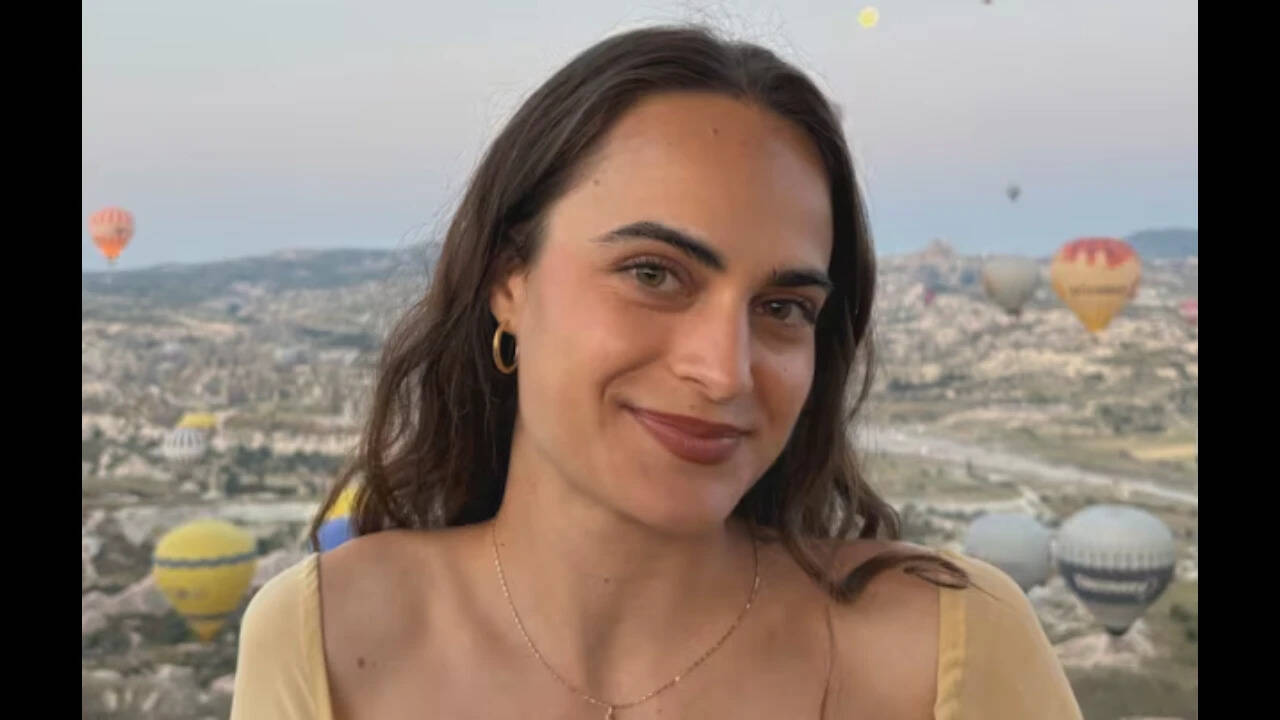
In 2025, a twenty-four-year-old woman from Montreal checked into a hotel in Istanbul. She was young, vibrant, and standing at the threshold of a world she wanted to see. Days later, she was dead. The initial whisper that moved through police reports, local headlines, and international wires was three words long.
Suspected food poisoning.
Read those words again. Notice how quickly your brain tries to file them away under something mundane, something survivable, something slightly embarrassing that ruins forty-eight hours of a vacation with a bottle of bismuth and a stack of dry toast. We treat foodborne illness like a punchline. We call it "Montezuma's revenge" or "Delhi belly." We laugh about street meat and questionable ice cubes over drinks months later.
Until someone twenty-four years old does not come home from Istanbul.
The Anatomy of an Invisible Threat
To understand how a young traveler from Canada loses her life behind a locked hotel door in Turkey, you first have to strip away everything you think you know about getting sick on the road. You have to look at the invisible architecture of how we travel now, and the biological roulette we play every time we sit down at a table in a city we do not know.
Consider a hypothetical scenario—call her Claire, though her real name belongs to a grieving family in Quebec whose private tragedy became a fleeting headline. Imagine landing at Istanbul Airport after a ten-hour flight from Montreal. Your circadian rhythm is shattered. Your immune system, already suppressed by recycled cabin air, mild dehydration, and the quiet stress of navigating customs in a language you do not speak, is operating at half capacity.
You drop your bags. You walk out into the sensory overload of Beyoğlu or Sultanahmet. The air smells of roasted chestnuts, diesel exhaust, damp stone, and grilled lamb. You are hungry. You are twenty-four. At twenty-four, your body feels less like a fragile biological machine and more like an invincible vehicle designed solely to carry you toward the next experience.
You eat. Maybe it is a late-night kebab from a stall with a buzzing fluorescent tube. Maybe it is a plate of mussels stuffed with spiced rice near the ferry terminal, or a buffet breakfast left sitting just a fraction too long under warm lamps in a boutique hotel dining room.
Hours later, the first tremor hits.
Most people assume food poisoning is a single, predictable event. In reality, it is a spectrum of microscopic warfare, and the difference between a miserable night and organ failure often comes down to which pathogen crossed your threshold—and how fast you recognize that your body is losing the fight.
Staphylococcus aureus or Bacillus cereus toxins hit fast, sometimes within two to six hours, turning your stomach inside out with violent, immediate expulsion. It feels like dying, yet paradoxically, it is often the body’s fastest eviction notice. The real killers move differently. Bacteria like Salmonella, Campylobacter, Listeria, or toxigenic strains of E. coli operate on a delayed fuse. And then there is Clostridium botulinum—rare, terrifying, paralyzing—or chemical adulterants and severe viral gastroenteritis that trigger a cascade of systemic shock.
Why Twenty-Four Is Not Invincible
I have spent enough nights curled on bathroom tiles in cities three time zones away from anyone who knew my blood type to know the exact psychological trap that springs shut when you get sick alone.
First comes denial. You tell yourself it is just jet lag. You tell yourself you ate too fast, or the spices were too rich, or the Turkish coffee was too strong on an empty stomach. You do not want to be the tourist who panics. You do not want to navigate a foreign emergency room, try to mime abdominal pain to a triage nurse, or deal with travel insurance hotlines at three in the morning.
So you wait.
That waiting is where the trap closes. Think of severe gastroenteritis not as a stomachache, but as an internal hemorrhage of fluids and electrolytes. Your gastrointestinal tract is lined with a delicate barrier—a single layer of epithelial cells holding back trillions of bacteria from entering your bloodstream. When an aggressive pathogen breaches that wall, your body responds by flooding the gut with water to flush the invader out.
Every hour you spend unable to keep water down, your blood volume drops. Your blood literally thickens. Your heart beats faster to push sludgy, oxygen-poor fluid through narrowing vessels. Your kidneys, starved of pressure, begin to shut down. Potassium and sodium levels plummet, scrambling the electrical signals that keep your heart rhythm steady.
At twenty-four, your heart is strong enough to compensate for a terrifyingly long time. It masks the crisis. You do not look like someone in septic or hypovolemic shock until the exact moment your compensatory mechanisms snap. By the time confusion sets in—a classic sign that the brain is no longer receiving enough oxygenated blood—you may no longer have the physical strength or mental clarity to unlock the hotel door, find the front desk number, or dial 112, Turkey’s emergency line.
You simply lie down to rest your eyes.
The Blind Spots of the Modern Travel Boom
Istanbul is one of the most magnetic cities on earth. Straddling Europe and Asia, it welcomed over eighteen million foreign visitors in 2024 alone, with numbers climbing even higher through 2025. For young North Americans, a direct flight from Montreal to Istanbul represents the ultimate portal: ancient history, world-famous street food, affordable luxury, and a culture legendary for its hospitality.
Yet rapid tourism growth creates friction in places travelers rarely inspect.
Behind the gleaming lobbies of restored Ottoman townhouses and budget-friendly boutique hotels lies a complex web of supply chains, municipal water systems, and seasonal staffing pressures. In hot summer months—or even during unseasonably warm spells in spring and autumn—the cold chain is only as strong as its weakest delivery van. A tray of dairy-based meze left at room temperature for ninety minutes in a busy kitchen can become an incubator. Tap water in Istanbul is heavily chlorinated and technically treated at municipal plants, yet aging building pipes and rooftop storage tanks mean locals almost universally drink bottled water—a nuance tourists routinely forget when brushing their teeth, washing fruit, or accepting ice in a neighborhood café.
When a young tourist dies in a hotel room, the phrase "suspected food poisoning" often functions as a preliminary placeholder while forensic toxicologists and pathologists work behind closed doors. And here, honesty requires admitting what we do not know.
In cases like the Montreal woman’s death in Istanbul, initial suspicion of foodborne illness can later broaden during autopsy. Investigators look for bacterial toxins, yes, but they also screen for carbon monoxide leaks from faulty hotel boilers, accidental poisoning from unventilated pest control chemicals used in adjacent rooms, underlying undiagnosed cardiac conditions triggered by severe dehydration, or tainted alcohol.
Notice the common thread across every single one of those possibilities. Whether the culprit was a microscopic bacterium on a dinner plate or an odorless gas seeping under a doorframe, the victim was isolated inside an unfamiliar environment with no safety net watching the clock.
The Myth of "I’ll Just Tough It Out"
We carry an unspoken badge of honor in modern travel culture. We celebrate the grit of the backpacker, the solo adventurer who figures it out on the fly, the traveler who eats where the locals eat and never complains. Asking for help feels like failing the test of independence.
I remember sitting on the edge of a bed in a humid guesthouse years ago, staring at a bottle of lukewarm water I could not swallow without my stomach convulsing. My hands were tingling—the early warning sign of electrolyte depletion. My vision grayed at the edges whenever I stood up. Still, I spent four hours arguing with myself over whether calling a doctor was an overreaction. I worried about the cost. I worried about looking foolish if it turned out to be "just a bug."
Looking back, that hesitation was pure luck surviving bad judgment.
If you are traveling—especially solo, and especially in a place where language creates friction between symptom and care—you have to replace pride with a cold, non-negotiable protocol. When your gut turns violent abroad, you are no longer on vacation; you are managing an acute medical event.
The warning signs that demand immediate hospital intervention are not subtle once you know to look for them:
- The twenty-four-hour wall: Inability to keep even tiny sips of oral rehydration salts down for more than twelve to twenty-four hours.
- The color of crisis: High fever above 38.9°C (102°F), bloody stools, or severe, localized abdominal pain that does not ease after vomiting.
- Neurological drift: Dizziness upon standing, slurred speech, blurred vision, muscle weakness, or a strange, heavy drowsiness that feels different from normal fatigue.
- The dry signal: Going more than six to eight hours without urinating, or dark amber urine that signals your kidneys are rationing water.
Waiting out those symptoms in a locked hotel room is not toughness. It is gambling with zero house edge.
What Needs to Change Before the Next Flight Boards
A tragedy in Istanbul should not make anyone afraid to board a plane to Turkey, or Mexico, or Thailand, or anywhere else where the food is extraordinary and the streets are alive. Fear shrinks the world, and a shrunken world is no answer at all.
What needs to change is the quiet carelessness with which we prepare for vulnerability.
We spend weeks researching rooftop restaurants, museum passes, and neighborhood aesthetics, yet almost zero minutes setting up a basic survival protocol before we leave our home airport. Before you ever unzip a suitcase in a foreign hotel, three small habits can quietly save your life.
First, tell the front desk when you are sick. It sounds almost laughably simple, yet almost no one does it. If you are violently ill in your room, picking up the house phone and saying, "I have severe food poisoning; please check on me if you don't hear from me by morning," breaks the fatal isolation of a closed hotel door. Hotel staff in hospitality-driven cities like Istanbul routinely have doctors on call who make room visits within an hour—often for a fraction of what an American or Canadian urgent care clinic would charge.
Second, carry oral rehydration salts in your toiletry bag, not just anti-diarrheal pills. Medications like loperamide slow down gut motility; if you have an invasive bacterial infection, trapping those toxins inside your intestines can actually worsen tissue damage. Pharmacy-grade electrolyte packets—or knowing how to ask for oral rehidrasyon tuzu at a local Eczane—keep your blood volume from collapsing while your body fights.
Third, share your live location and check-in expectations with one person back home whenever illness strikes. A twenty-four-year-old woman in Montreal had people who loved her fiercely, people who would have moved heaven and earth if they had known the clock was running out behind a hotel door half a world away.
The Empty Chair
Somewhere in Montreal, there is a bedroom that still looks the way she left it before she zipped her suitcase for Istanbul. There is a passport with a fresh entry stamp, a camera roll full of sunlight over the Bosphorus, and a family left trying to make sense of how a trip meant to expand a young life ended it instead.
The news cycle moved on within forty-eight hours. A short headline, a brief mention of an autopsy, a routine consular statement offering condolences to the family—and then the digital current swept everything downstream toward the next crisis, the next scandal, the next distraction.
Travel is supposed to be the great widening of a life. It is meant to teach us how big the world is, how deeply strangers can welcome us, and how alive we feel when we step off the map of our routines. Yet every journey carries an unspoken contract between curiosity and caution.
The next time you pull a hotel door shut behind you in a city you have never visited before, listen to the click of the latch. Enjoy the thrill of being far from home—and make sure someone knows you are inside.