The air inside a high-containment health facility doesn't move like the air outside. It feels heavy, filtered through layers of synthetic fabric and the mechanical hum of ventilation systems that serve as the only barrier between a city of millions and a microscopic predator. In Kampala, that hum has become the soundtrack to a growing anxiety.
Two more chairs are occupied today. Two more names have been added to a ledger that no one wants to sign. With the confirmation of these two new cases in a city medical center, the total count has climbed to seven. It sounds like a small number. It is a terrifying one. If you enjoyed this piece, you should check out: this related article.
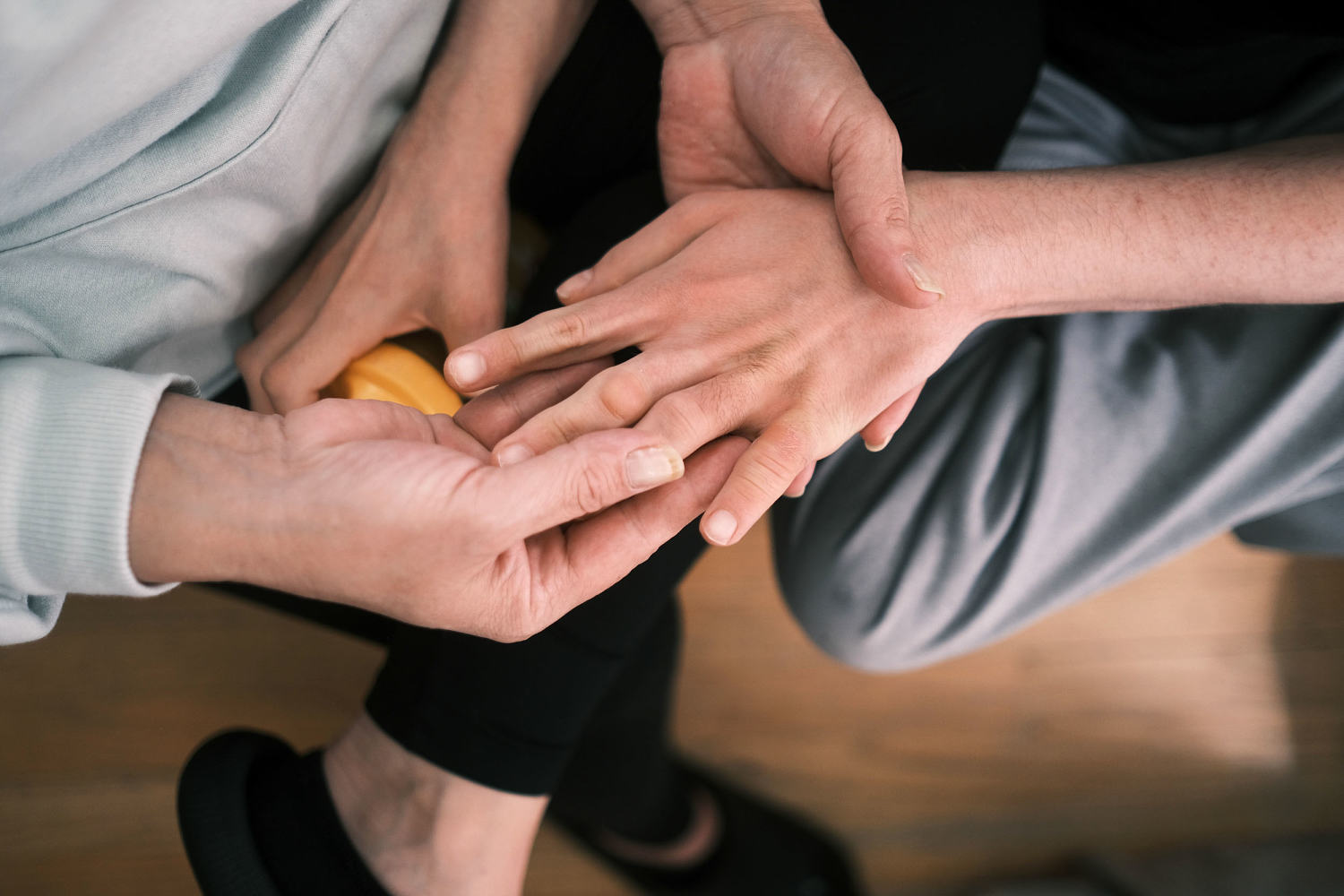
To understand why seven is a number that keeps epidemiologists awake, you have to look past the spreadsheets. You have to look at the geometry of a handshake.
The Math of Human Contact
Imagine a woman named Nakato. She is a hypothetical composite of the dozens of people currently being monitored, but her reality is felt by every family in the capital. Nakato works in a market. She rides the boda-boda—the ubiquitous motorcycle taxis—weaving through the gridlock of Kampala. She touches a coin to pay her fare. She shakes hands with a cousin. She wipes sweat from her forehead. For another perspective on this story, see the latest update from Mayo Clinic.
Ebola is not a ghost. It is a physical entity that requires physical passage. Unlike respiratory viruses that drift through the air like invisible smoke, Ebola travels in the heavy, warm fluids of the human body. It is an intimate invader.
When the Ministry of Health confirmed that the virus had reached the heart of the city, the invisible map of Kampala changed. Every interaction became a potential bridge. The two new cases in the health facility aren't just data points; they represent a breach in the perimeter. These individuals were already under the watchful eyes of medics, yet the virus manifested within the very walls designed to contain it.
The Sudan strain, which is driving this current outbreak, is a particularly stubborn adversary. There is no widely available vaccine for this specific version of the virus, unlike the Zaire strain that ravaged West Africa years ago. Here, the only weapons are vigilance, plastic barriers, and the grueling work of contact tracing.
The Invisible Stakes
Health workers are the first to feel the weight of a rising count. For a nurse in Kampala, the process of "donning and doffing" the Personal Protective Equipment (PPE) is a ritual of survival. It takes twenty minutes to put on the layers of impermeable suits, goggles, double gloves, and masks. It takes longer to take them off, because that is when the danger is highest. One slip, one accidental touch of a contaminated glove to a bare wrist, and the barrier is gone.
The tension in the wards is thick. It is the sound of bleach hitting a concrete floor. It is the sight of a colleague’s eyes behind a fogged-over visor, searching for a sign of fatigue. Fatigue leads to mistakes. And mistakes, in the presence of Ebola, are final.
But the real struggle happens in the streets. Kampala is a city that thrives on proximity. It is a place of crowded transit hubs and bustling stalls. When a virus enters a metropolitan area of 1.5 million people, the "ring fence" strategy used in rural villages becomes infinitely more complex. In a village, you can map every person who attended a funeral or shared a meal. In a city, a single infected person might cross paths with a hundred strangers before the first fever spike.
The Psychology of the Fever
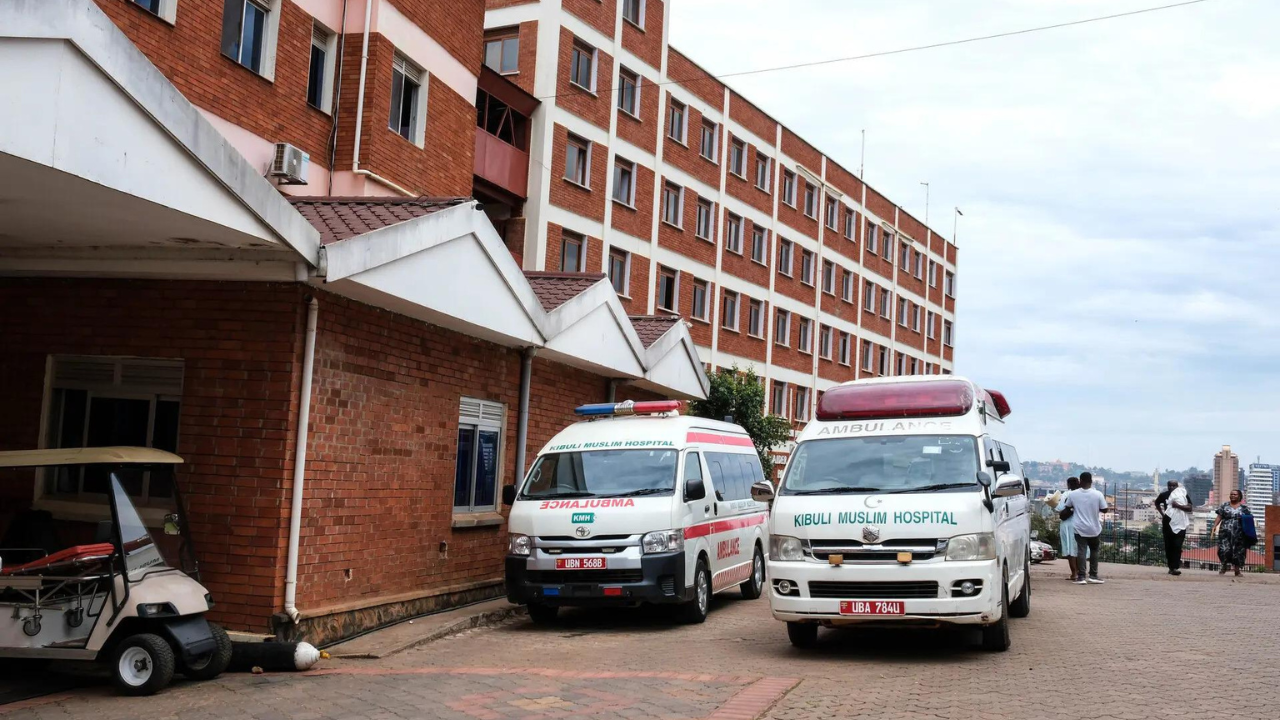
There is a specific kind of silence that falls over a neighborhood when the ambulance arrives. It isn’t the silence of peace; it’s the silence of a held breath.
People are afraid. That fear is a double-edged sword. It can drive a mother to report her son’s headache immediately, potentially saving his life and dozens of others. Or, if the fear is mixed with mistrust, it can drive a family to hide their sick, treating a "strange fever" behind closed doors until it is too late.
The Ministry of Health knows this. They aren't just fighting a virus; they are fighting the rumors that spread faster than any pathogen. They are explaining, over and over, that the health facilities are places of hope, not just places of quarantine.
The two new cases in Kampala tell us that the surveillance system is working—they found them, after all. But they also tell us that the virus is moving through the veins of the city, testing the strength of the public health infrastructure.
The Cost of Vigilance
We often speak of "containing" an outbreak as if it were a liquid we could pour into a jar. The reality is more like trying to catch embers in a dry forest. You stomp on one, and another flares up ten yards away.
The seven cases currently recorded are the embers. The rest of the city is the forest.
The economic toll is already beginning to mount, though it doesn't appear in the headlines yet. It’s seen in the half-empty restaurants and the way people have stopped hugging. It’s the subtle shift in body language—the way a man steps back when a stranger coughs. This is the social cost of Ebola: it turns our most human impulses, like comfort and touch, into vulnerabilities.
Consider the logistics of the response. Every confirmed case generates a list of "contacts of contacts." Each of those people must be monitored for twenty-one days—the window of time the virus takes to reveal itself. If you have seven cases, you might have three hundred people under observation. If those seven become twenty, the number of people to track explodes into the thousands.
Uganda has been here before. The country’s health experts are among the most experienced in the world when it comes to viral hemorrhagic fevers. They have a muscle memory for this. They know the rhythm of the response: isolate, trace, treat, repeat.
But experience doesn't make the work any less exhausting. It doesn't make the bleach smell any less acrid or the loss of a patient any less devastating.
Beyond the Tally
The news cycle will likely move on if the numbers stay low. If the count remains at seven, or eight, or ten, the world might look away, assuming the danger has passed. But for those inside the containment zones, the danger never fluctuates. It is a constant, high-frequency vibration.
The two new patients in Kampala are currently fighting a battle that is both intensely private and globally significant. Their bodies are the front lines. As they lay in their beds, their immune systems are locked in a high-stakes war with a sequence of proteins that wants only to replicate.
Outside, the city continues to move, though perhaps a little more cautiously. The sun sets over Lake Victoria, casting long shadows across the hills of Kampala. The boda-bodas continue to roar. The markets remain open.
But in the quiet corners of the clinics, the ledgers remain open too. The pens are poised. Everyone is waiting to see if the seventh case will be the last, or if the math of human contact has more lessons to teach.
The perimeter is holding, for now. It is made of plastic sheets, dedicated doctors, and the collective willpower of a city that refuses to be defined by a fever. But a perimeter is only as strong as its quietest point.
The hum of the ventilation continues. The city waits. The ledger stays on the desk, its white pages catching the sterile light of the ward, a silent witness to the struggle of staying human in a time of distance.
The seventh name is written in ink. It is still wet.