The Green Flame
It starts with a crunch.
You slice open a fresh jalapeño, the sharp, vegetal aroma hitting the air before the knife even clears the cutting board. It is a familiar scent, the prelude to summer backyard barbecues, late-night tacos, and the comforting burn of home-cooked heat. You toss the vibrant green rounds into a skillet or dice them raw for a weekend salsa, never once suspecting that you are holding an invisible hazard.
We trust our kitchens. We treat them as sanctuaries. But beneath the familiar rhythms of meal preparation, a quiet threat continues to linger across American dinner tables. The jalapeño salmonella outbreak has not vanished into the rearview mirror, despite what the silence on the evening news might suggest.
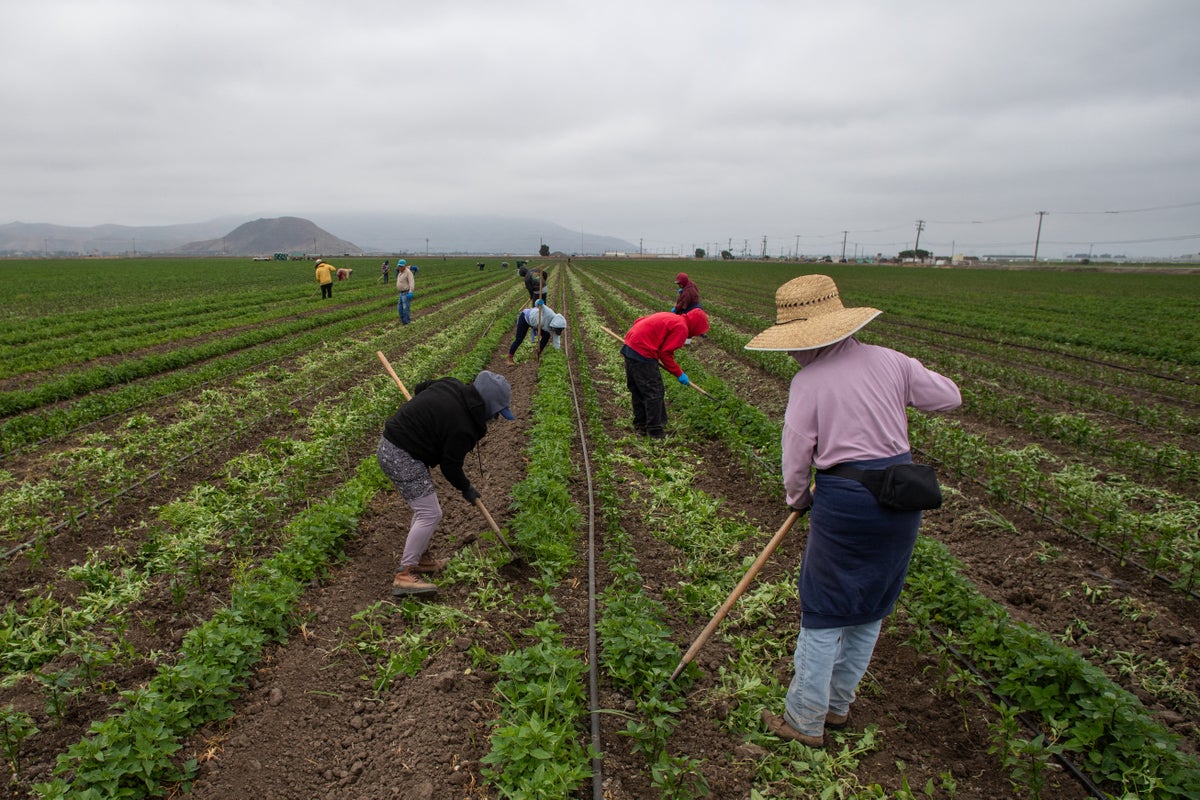
Let us be entirely clear about what is happening. This is not a matter of a single, isolated bad batch of peppers that quietly exited the supply chain months ago. It is a persistent echo, a continuous loop of contamination rooted deep within complex agricultural distribution networks that span thousands of miles. When a single pepper travels from a sun-drenched field in a distant region to a neighborhood grocery store bin, it crosses paths with dozens of hands, temperature shifts, and potential vectors for bacteria.
Consider a hypothetical home cook named Maria. Maria takes pride in feeding her family fresh, vibrant meals. She buys her produce from a local market, trusting the bright colors and crisp textures. She chops the jalapeños on her wooden cutting board, wipes her hands on a dishtowel, and handles the rest of dinner. She does everything right according to everyday intuition. Yet, Salmonella doesn't care about good intentions. It clings silently to the textured skin of the pepper, slipping past the rinse of cold tap water, waiting for its moment.
The Anatomy of an Invisible Outbreak
To understand why this public health concern remains stubborn, we have to look past the sterile charts published by health agencies and look at the physical reality of the food supply. Jalapeños have rough, irregular skins. Unlike smooth-skinned apples or thick-rinded melons, a pepper's exterior offers microscopic valleys where moisture and bacteria can hide away from a casual rinse.
When federal investigators trace an outbreak, they are playing a high-stakes game of molecular detective work. They look at genetic fingerprints through whole genome sequencing, matching strains found in patients across multiple states back to a common agricultural source. It is slow, methodical work. By the time a cluster of illnesses is officially linked to a specific batch of jalapeños, the contaminated produce has usually long since rotted in home refrigerators or been completely consumed.
The Centers for Disease Control and Prevention along with the Food and Drug Administration constantly monitor these patterns. But public health warnings often arrive with a frustrating lag.
Symptoms do not appear immediately. You eat the meal, you enjoy the flavor, and forty-eight hours later, the body begins its violent rebellion. Cramps, fever, and dehydration set in. For the average adult, it is a miserable week that requires rest and fluids. For the elderly, young children, or anyone with a compromised immune system, it can mean a terrifying hospital stay. That is the true weight of these outbreaks. They are measured not just in statistical curves on a government website, but in lost workdays, emergency room visits, and the quiet, nagging anxiety of wondering whether tonight's dinner is safe.
Breaking the Chain of Risk
We cannot stop eating fresh food, nor should we live in perpetual fear of our neighborhood produce aisle. The answer lies in awareness and shifting how we handle the ingredients we bring across our thresholds.
The food safety expert’s golden rule is deceptively simple: separate, clean, and cook. Yet, in the rush of preparing a Tuesday night dinner, those steps are often blurred. We use the same knife for raw chicken and fresh peppers. We wipe a counter with a damp sponge instead of hot, soapy water.
If you are slicing jalapeños, treat them with the same cautious respect you would give to raw poultry. Wash your hands thoroughly with soap and warm water for at least twenty seconds after handling them. Never let a raw pepper touch a surface where ready-to-eat foods like lettuce or cheese are being prepped, unless that surface has been thoroughly sanitized in between.
And what about cooking? Heat is our most reliable ally. While raw salsa carries a higher risk if the produce is tainted, incorporating jalapeños into a simmering sauce or roasting them over high heat significantly reduces the bacterial load. But remember this crucial caveat: if a pepper is already contaminated, cross-contamination can spread the bacteria to your hands, your countertops, and other kitchen utensils before the heat ever touches the food. The danger is rarely the pepper that gets cooked; it is the knife, the board, and the fingers that touched it first.
The Lingering Question
The public notification systems will eventually declare this particular chapter closed. Another headline will replace it, and the grocery bins will restock with fresh green peppers gleaming under the fluorescent lights.
Yet, the fundamental vulnerability of our food distribution system remains unchanged. As long as millions of pounds of fresh produce travel vast distances under fluctuating conditions, the risk of microbial hitchhikers will persist.
The next time you reach for a bright green pepper, take a moment to look at it not just as a culinary ingredient, but as the final stop in a long, complicated journey. Wash it carefully. Sanitize your workspace. Respect the invisible stakes resting on your cutting board.
The heat in the kitchen is supposed to come from the spice, not the surprise.