The late afternoon sun over Toledo’s Old West End usually feels like an invitation. It hits the brick facades of the Victorian mansions—some of the largest concentrations of late-nineteenth-century architecture in the country—and turns the neighborhood into a living museum. June sixth was supposed to be the glorious return of that warmth. The morning started with a parade. By 5:30 p.m., the air carried the scent of street food, the hum of local artisans, and the distinct, loose rhythm of a neighborhood finally shedding its winter coat.
Then came the percussion that didn't belong to the music.
A handful of sharp cracks ripped through the arboretum. For a fraction of a second, the brain tries to protect itself. It tells you it’s a firework. It tells you a car backfired. But the collective nervous system of an American crowd knows the truth before the mind can finish the excuse.
Chaos doesn't happen in slow motion. It happens in a brutal collapse of gravity.
The Sound of Pandemonium
Imagine standing in a grassy park, holding a cold drink, listening to a local band. To your left, a family is laughing. To your right, neighbors are debating which historic home tour to take next. A second later, you are eating dirt.
Kevin Berry, a Navy veteran with medical training, was sitting with friends in the arboretum when the shots cut through the melody. He didn't just hear the gunfire; he watched the immediate fallout. In the sudden scramble, as dozens of bodies hit the grass, he saw something else clatter to the earth less than fifty feet away. A handgun, discarded in the panic.
When you have been trained to run toward the smoke, your internal compass spins differently. Berry stood up while the rest of the world tried to become invisible. He walked into the immediate aftermath, scanning the grass for what he hoped he wouldn't find. He found it anyway. Five different people, scattered across the greenery, bleeding from gunshot wounds.
Others who were there described it as pure pandemonium. Tripping over blankets, dropping lawn chairs, scrambling behind ancient oak trees that suddenly felt far too thin to offer real protection.
The emergency response was instantaneous because the police were already there to protect the peace of the festival. But a badge cannot stop a bullet once it has left the barrel. Within minutes, the festive hum of the Old West End was completely replaced by the screaming sirens of ambulances rushing an unknown number of victims to local trauma centers.
The Ghost in the Historic District
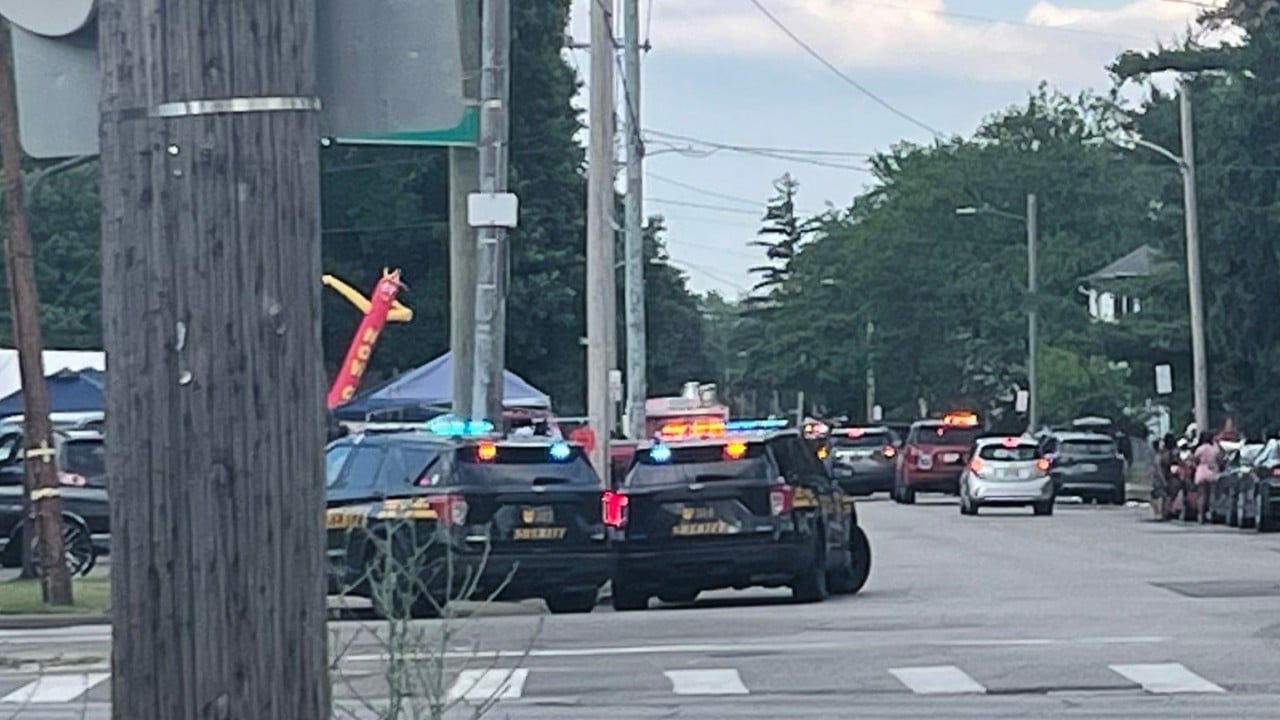
By dinner time, the streets that had been filled with strollers and craft vendors were cordoned off with yellow tape. The contrast was sickening. Brightly colored festival banners fluttered in the breeze right next to flashing blue and red emergency lights.
The Toledo Police Department quickly turned to social media to warn people away. "Many victims," they wrote. A phrase designed to communicate the scale of the tragedy without having to commit to numbers that were still shifting in ER bays.
But the most unsettling detail wasn't the blood on the grass or the abandoned beer gardens. It was the void.
The shooter, or shooters, vanished into the very panic they created. As night fell over Ohio, law enforcement flooded the area, searching back alleys, questioning witnesses, and trying to piece together a motive from a scene where the only left-behind clue was a firearm on the lawn. A community that had gathered to celebrate its history was suddenly trapped in a terrifyingly modern reality: the threat was still out there, moving through the shadows of the city.
The True Cost of Public Joy
We often treat these events as statistical anomalies, data points in a national debate that never seems to find an ending. But the real casualty of an afternoon like this isn't just the physical tissue torn by lead. It is the fragile concept of public safety.
When a neighborhood street festival becomes a crime scene, a silent tax is levied on every citizen. You pay it the next time you go to a concert and look for the nearest exit. You pay it when you hesitate to bring your kids to a parade. The local arboretum, once a sanctuary of green space, becomes a place where you remember that a Navy veteran had to patch up his neighbors.
The investigation in Toledo is still in its infancy. The conditions of the victims remain locked behind hospital doors, and the identities of those who pulled the triggers are still unknown. But the emotional trajectory of the weekend has already been permanently altered. The Old West End Festival was meant to kick off the summer with a reminder of what makes the community enduring and beautiful. Instead, it left the city holding its breath, waiting for the sirens to finally stop.