The tea in the clay cup grows cold. No one touches it.
Across the room, a pair of worn canvas shoes sits by the doorway, exactly where they were left three weeks ago, on a Tuesday morning that felt like any other. The laces are untied. The soles still bear the fine, pale dust of the plateau. To a stranger passing through Quetta or Turbat, those shoes are an insignificant detail in a landscape weighed down by ancient rock and restless wind. To a mother whose eyes have hollowed from sleeplessness, they are a quiet, agonizing monument to a sudden, violent absence. You might also find this related article interesting: The Anatomy of a Senate Collapse Structural Pressures and Legislative Positioning.
In Balochistan, the largest and most resource-rich province of Pakistan, a profound human tragedy is unfolding beneath the glare of official silence. Families are no longer just mourning losses; they are searching for the living ghosts of their households.
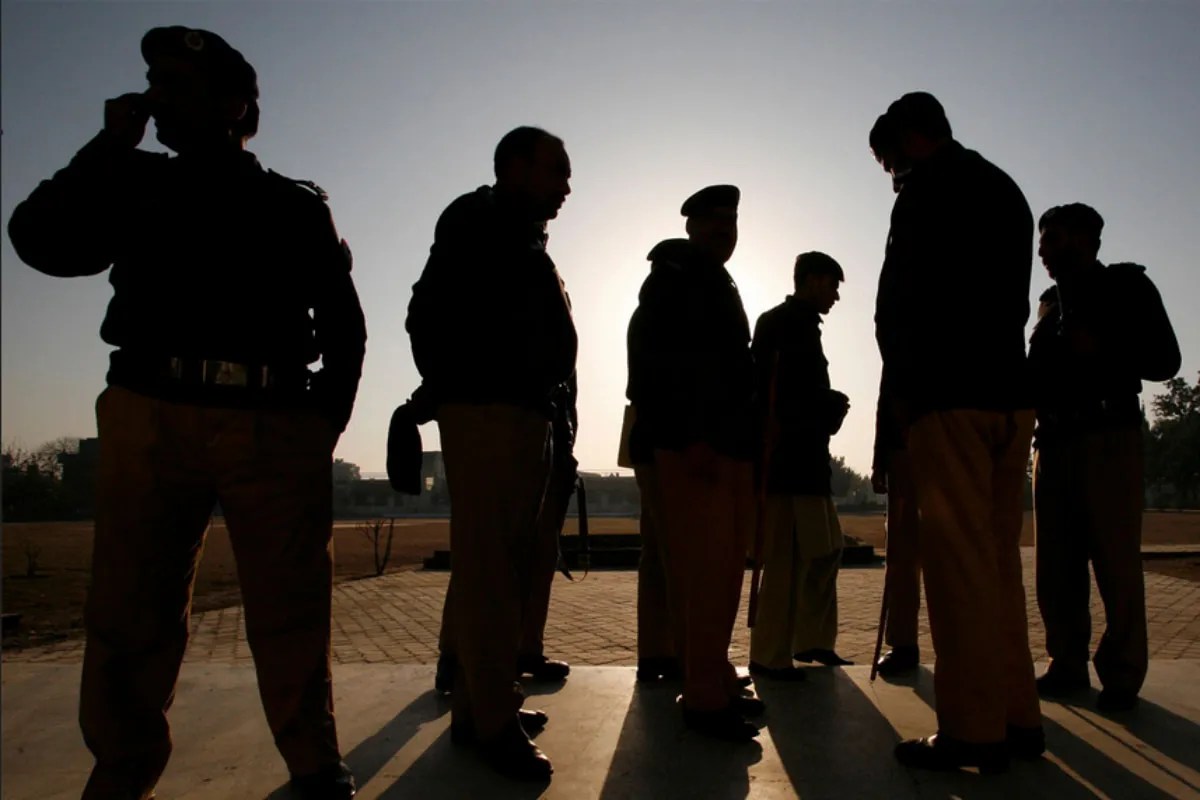
The core of the accusation is as blunt as it is terrifying. Baloch families, human rights organizations, and local activists point directly to the Pakistani military and its intelligence apparatus, charging that state-backed enforced disappearances and abductions have escalated into a systematic campaign of intimidation. Young students, journalists, political activists, and ordinary workers vanish during daylight raids or highway checks, leaving behind shattered households and a community paralyzed by a chilling question: Who is next? As discussed in recent reports by Al Jazeera, the results are worth noting.
To understand the weight of this crisis, you must look past the dry geopolitical reports and administrative jargon. You must look at the geography itself.
Balochistan is a land of stark, breathtaking extremes. Rugged mountains bleed into vast, arid deserts, and the coastline of the Arabian Sea stretches out in lonely splendor. Beneath this austere surface lie immense riches: natural gas, gold, copper, and vast corridors of strategic trade. For decades, a bitter disconnect has festered between the wealth extracted from this soil and the lives of the people who walk upon it. The local population watches helplessly as resources are funneled outward, leaving behind impoverished towns, inadequate infrastructure, and a pervasive sense of internal colonization.
When peaceful dissent rises against this status quo, the response has frequently been iron-fisted.
Consider a hypothetical scenario, rooted in hundreds of verified testimonies collected by organizations like the Voice for Baloch Missing Persons. Imagine a university student named Tariq. He is twenty-two, studying literature, with a sharp mind and a quiet passion for the rights of his people. He attends a peaceful gathering discussing regional autonomy. Two days later, an unmarked vehicle blocks his path home. Men in civilian clothes, backed by armed personnel, push him into the back of a van.
His family does not receive a warrant. They do not receive a court date. They receive silence.
Months turn into years. When mothers and sisters stage roadside sit-ins, demanding only to know if their sons and brothers are dead or alive, they are met with indifference or further suppression. The psychological warfare of an enforced disappearance is calculated. It does not just eliminate a critic; it tortures an entire family, keeping them suspended in a permanent purgatory of hope and despair. They cannot grieve properly because there is no body, no grave, no official confirmation. They can only wait by the door.
International bodies and human rights defenders have repeatedly raised alarms over these practices, documenting thousands of cases of missing persons across the province. Yet, official denials remain routine. The state often attributes missing persons to militant factions, internal tribal feuds, or individuals fleeing to join separatist insurgencies. But families and local leaders reject this narrative, pointing to documented instances where victims were last seen in military custody or at heavily fortified checkpoints.
This is the invisible architecture of fear.
When a society’s youth vanish into unmarked cells, a profound chilling effect settles over everyday life. Classrooms empty out. Young minds learn to self-censor before they even learn to articulate their dreams. Journalists weigh every word against the terrifying prospect of a midnight knock. The social fabric tears apart at the seams, replaced by a bitter, generational resentment that hardens with every passing year of impunity.
You cannot bomb or coerce your way into genuine loyalty. A state that treats its own citizens as hostile combatants destroys the very foundation of its legitimacy. The grievances of Balochistan are not born in a vacuum; they are the natural byproduct of marginalization, economic neglect, and the suppression of fundamental human dignity.
The canvas shoes by the door remain untouched. The tea grows colder still.
Somewhere on the dusty plains of Balochistan, another vehicle slows down near a roadside tea stall. Another family holds its collective breath, praying that the shadow passing over their threshold is just a cloud, and not the darkness that takes their children away forever.



