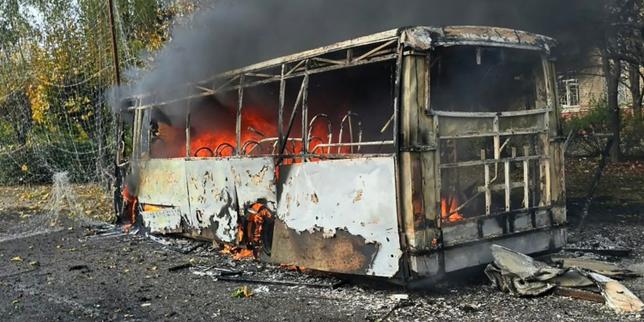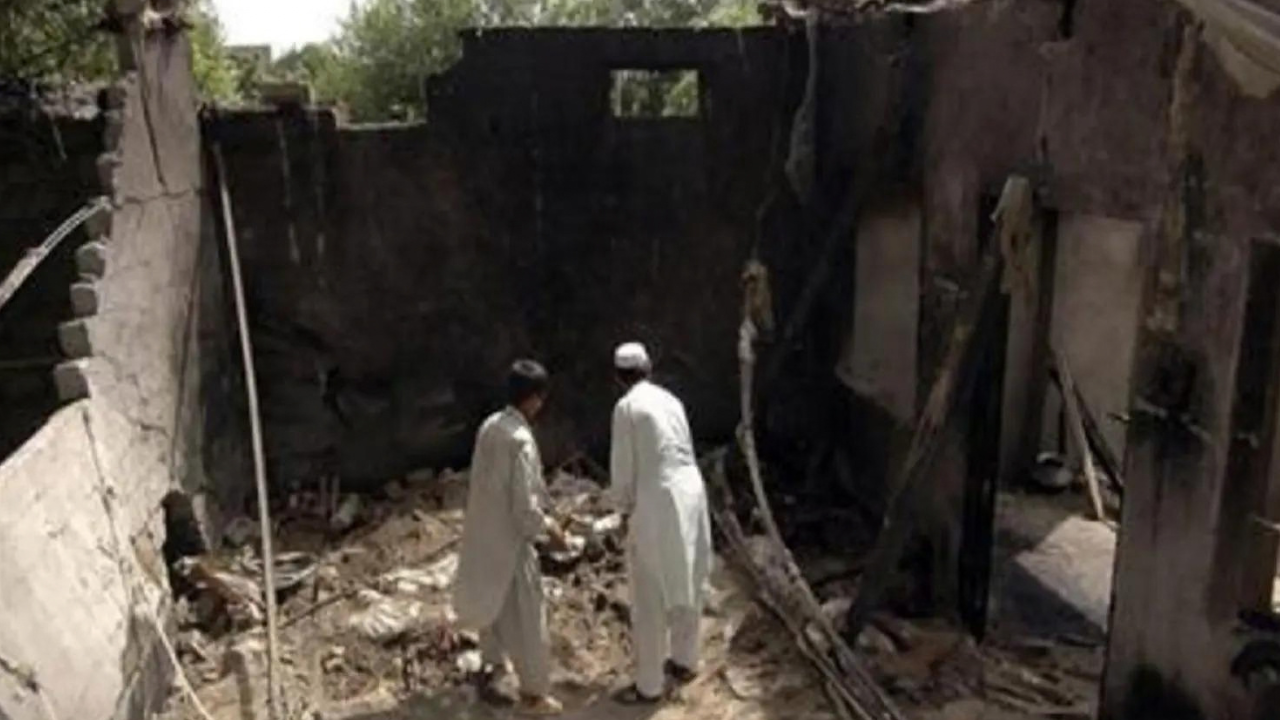
Two young boys went looking for firewood in the arid expanse of Pakistan's Panjgur district, only to encounter an object hanging silently from a tree branch. Moments later, an explosion tore through the brush, ending the lives of nine-year-old and ten-year-old children while maiming three of their peers.
In the immediate aftermath, local accounts and regional reports pointed an accusing finger at military-operated quadcopters active in the region. This tragedy in the Gowargo tehsil is not an isolated malfunction of modern military hardware; it represents the grim human toll of an escalating technological and counter-insurgency campaign turning Pakistan's largest and most resource-rich province into a testing ground for remote warfare.
To understand why children are picking up unexploded ordnance or falling victim to aerial technology in Balochistan, one must examine the shifting military doctrine governing the province. For decades, Islamabad has managed a stubborn nationalist insurgency driven by grievances over resource extraction, economic marginalization, and enforced disappearances. Traditional ground operations, characterized by heavy infantry sweeps and road patrols, have increasingly given way to high-altitude surveillance and unmanned aerial systems. Quadcopters and drones offer state forces a low-risk mechanism to monitor vast, sparsely populated terrain where ground convoys are vulnerable to ambushes and improvised explosive devices.
Yet, this shift toward automation introduces a catastrophic vulnerability for the civilian population. Unmanned systems deployed in counter-insurgency zones frequently leave behind hazardous hardware, unexploded submunitions, or discarded payloads that look entirely innocuous to children. When an aerial asset drops or deposits a device that fails to detonate on command, the local topography transforms into a hidden minefield. The boys in Panjgur did not stumble into an active firefight; they encountered the quiet, lingering debris of a technological footprint that refuses to clean up after itself.
Human rights monitors and local advocacy organizations, including the Baloch Yakjehti Committee, have repeatedly flagged the intensification of aerial operations across districts like Panjgur, Kech, and Khuzdar. According to documentation gathered by regional reporters and civil society groups, civilian casualties resulting from drone surveillance and targeted strikes have climbed steadily over recent years. Families living in rural settlements find themselves trapped between insurgent networks demanding logistical support and state security forces utilizing aerial oversight that struggles to distinguish between combatants and agrarian laborers, herders, or children.
The official response from state security apparatuses typically follows a predictable script. Incidents resulting in civilian deaths are either met with complete institutional silence or dismissed through brief assertions that operations target legitimate armed actors. Independent verification remains exceedingly difficult. Balochistan's remote geography, coupled with severe restrictions on independent journalism and humanitarian access, creates an information vacuum. International human rights bodies issue periodic expressions of concern, but these statements rarely translate into actionable oversight or accountability for military commands operating under broad national security exemptions.
Meanwhile, the local population bears the psychological and physical scars of a conflict fought from the clouds. The normalization of unmanned surveillance breeds an atmosphere of constant dread. Communities report the persistent hum of rotors overhead day and night, transforming the sky into an omnipresent symbol of surveillance and sudden violence. When routine daily activities—such as gathering firewood or tending livestock—carry the threat of airborne peril, normal civilian life becomes untenable.
The tragedy in Panjgur exposes the widening chasm between strategic military modernization and the grim reality on the ground. As state forces lean heavier into drone technology to suppress regional dissent, the collateral damage is increasingly borne by the most vulnerable segments of society. Until transparency replaces obfuscation and basic civilian protection mechanisms are enforced, the skies over Balochistan will continue to cast a long, lethal shadow over the next generation.