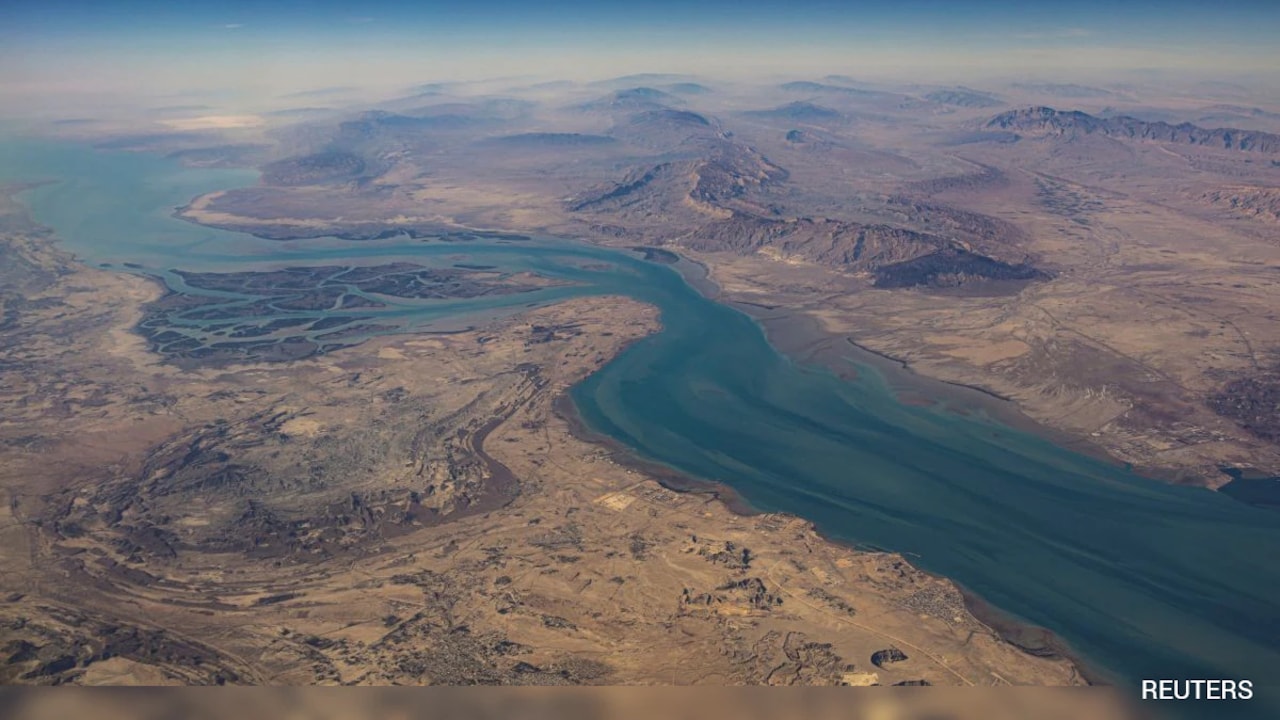
Darkness on the water has its own weight. Anyone who has stood on the steel deck of a vessel at two in the morning knows how sound behaves when there are no walls to bounce it back. It travels flat and cold across the swell. You hear the low thrum of the main engine through the soles of your boots. You hear the slap of chop against a rusted hull. When a flare goes up or a radio crackles with a claim that seven oil tankers were struck overnight in the Strait of Hormuz, the night stops feeling quiet. It starts feeling watched.
Claims arrive fast in maritime crises. Sometimes faster than facts. When Tehran asserts that seven tankers were hit under cover of darkness in one of the world’s narrowest energy arteries, the headline reads like a tally on a ledger. Seven ships. One strait. Overnight.
Numbers do that. They flatten human beings into statistics before anyone has even checked whether the damage is physical, psychological, or both.
I have spent enough time covering shipping corridors, port disruptions, and energy shocks to recognize the pattern that follows a claim like this. First comes the shock of the number itself. Then comes the fog. Officials dispute details. Navies monitor radar. Insurers recalculate risk by the hour. And somewhere in between, a deckhand in a boiler suit is staring at a dark horizon, wondering if the next sound he hears will be routine traffic or an explosion.
To understand why an overnight claim involving seven tankers in the Strait of Hormuz matters far beyond the Persian Gulf, we have to look past the headline and trace what this waterway actually is.
The Bottleneck That Keeps the Lights On
Call it a chokepoint. Call it a jugular. Either way, the geography is unforgiving.
At its narrowest point, the Strait of Hormuz squeezes marine traffic between Iran to the north and Oman and the United Arab Emirates to the south. The navigable shipping lanes—inbound and outbound—are remarkably tight, each only a couple of miles wide, separated by a buffer zone. Through that narrow ribbon passes a massive share of the world’s seaborne crude oil and liquefied natural gas.
When tensions spike there, the market does not wait for barrels to vanish before reacting. Traders price in fear. Tanker operators weigh whether sending a multi-million-dollar hull through contested waters is worth the premium. Maritime insurers reassess war-risk coverage.
Consider what happens next when a claim alleges seven separate hits in a single night. Even if every single claim is not immediately verified on the ground—and in modern maritime disputes, claims and counterclaims often outpace independent confirmation—the mere assertion sends ripples through supply chains thousands of miles away. A single vessel delayed or rerouted affects schedules weeks later at refineries in Asia, Europe, or the Americas.
Let me use a metaphor here, because abstract logistics can numb the senses. Think of the Strait of Hormuz as a narrow bridge over a roaring river, and think of global fuel supply as rush-hour traffic moving across it in tight formation. You do not need the entire bridge to collapse to create gridlock. You only need a few cars to brake hard, swerve, or stall near the center. Suddenly, vehicles miles back are sitting idle, engines running, horns blowing, tempers rising.
That is what maritime friction looks like at scale.
Hypothetical Night Watch on the Water
Facts tell us what happened on paper. Stories help us feel what that paper means.
To see the human cost of an overnight strike claim, let us picture a hypothetical scenario—clearly invented, though drawn from real patterns of life aboard commercial tankers in the Gulf. Imagine a chief mate named Tariq standing watch on the bridge of a crude carrier moving south under blackout or dimmed navigation protocols. He has worked this route for eleven years. He knows the rhythm of the pilot boats, the chatter on VHF channel 16, the way heat lingers over the water even after sunset.
Tonight, the radio is heavy. Reports—claims, rumors, urgent warnings—point to seven tankers attacked in the dark. Tariq watches the radar screen sweep green light across crowded waters. Every blip could be a fishing skiff, a naval patrol, a merchant sister ship, or something far more dangerous. His hands do not shake; professionals rarely give themselves that luxury. Instead, his jaw tightens. Every decision carries a price tag measured in lives, cargo, and solvency.
Down below, an oiler checks pressure gauges in the heat of the machinery space. In his bunk, a second engineer wakes to the sound of boots moving briskly along a steel alleyway. Nobody on that ship signed up to be a geopolitical symbol. They signed up for wages to send home, for predictable rotations, for a career on the sea.
When headlines speak of seven tankers attacked overnight, they rarely linger on the people inside the steel walls. Yet those crews are the first line of any maritime crisis. If a ship takes a hit—or even faces imminent threat—there is no safe shoulder to pull onto. Open water does not forgive panic.
Why Claims and Counterclaims Move Faster Than Truth
One of the hardest truths about modern conflict around the Strait of Hormuz is how messy information becomes the moment shots are fired—or claimed to have been fired.
In maritime incidents across the Persian Gulf and the Gulf of Oman over the years, fog has been a constant companion. A vessel might report an explosion, a mysterious projectile, a mine, or an impact, while another party offers a starkly different account. Satellite imagery takes time to task and analyze. Distress signals get parsed line by line. Sometimes a claim of seven tankers hit overnight turns out to be literal and devastating; other times, it reflects an escalation in messaging, asymmetric pressure, or contested reporting that takes days to untangle.
I will admit something candidly: even for people who follow this beat closely, sorting signal from noise in the opening hours of a Gulf flare-up can be dizzying and unsettling. You refresh feeds. You cross-check statements. You remind yourself that certainty in hour one is often an illusion.
Why does that uncertainty matter so much? Because markets, navies, and governments cannot afford to be blind, yet acting on unverified claims carries its own dangers. Misreading an incident can trigger miscalculation. Ignoring a real threat can cost lives and cripple shipping lanes.
History shows us how quickly a localized maritime clash can widen if restraint erodes. Over decades, the Gulf has seen "tanker wars," naval escorts, seizures, limpet mines, drone strikes, and tense standoffs. Each episode leaves scar tissue. Each one reminds shipowners and policymakers that calm waters in Hormuz are conditional, never guaranteed.
The Invisible Ripple From Deck to Driveway
What happens between a ship in the Gulf and a consumer thousands of miles away is rarely visible on a single chart, yet the chain is remarkably tight.
When oil tankers face danger or disruption in the Strait of Hormuz, several dominoes begin to tip:
- Freight and insurance costs climb. Even before crude prices spike on futures exchanges, the cost of insuring a hull and hiring a vessel for a risky transit can jump sharply. Those costs eventually get absorbed somewhere along the chain.
- Refineries adjust runs. Refiners rely on predictable crude grades and steady delivery windows. When shipments stall or reroute, planners scramble to substitute supply, often at higher expense.
- Everyday budgets feel the squeeze. Diesel moves freight trucks. Jet fuel moves travelers. Petrochemicals feed manufacturing. What starts as a night alarm on a tanker bridge can show up weeks later at the pump, on a grocery bill, or in utility costs.
It is easy to feel detached from geopolitical headlines until the cost reaches your own wallet. A claim about seven tankers overnight sounds distant—until you realize how deeply modern daily life depends on quiet, uninterrupted maritime trade.
What Separates Noise From Real Shift
Whenever a dramatic claim emerges from the Strait of Hormuz, readers naturally ask two questions: Did this actually happen on the scale claimed? and Does this mean the strait is about to close?
Those are the right questions, and neither has a lazy answer.
Confirming whether seven tankers were truly attacked overnight requires looking beyond a single declaration. It means watching for corroborating distress calls, naval advisories, port arrivals or delays, salvage requests, and independent reporting once daylight and scrutiny catch up to the night. Claims made in the heat of confrontation serve strategic purposes—projecting reach, testing deterrence, shaping leverage—whether every detail holds up under inspection or not.
As for closing the Strait of Hormuz completely, that is a step with massive consequences for everyone involved, including the country making the threat. A total blockade would choke off vital trade routes, invite overwhelming military pushback, and sever economic lifelines that regional actors themselves rely on.
More often, pressure looks like harassment, selective risk, targeted strikes, or psychological warfare designed to raise the cost of business without crossing every threshold at once. That gray zone is where nerves are tested hardest. It keeps shipping on edge without necessarily slamming the gate shut forever.
Still, gray zones are dangerous precisely because edges can slip.
The Human Core Behind Every Barrel
Strip away the geopolitics, the trading screens, and the strategic posturing, and you are left with something elemental: people trying to do their jobs in risky waters, and billions of people relying on a delicate global system that hums quietly until something rattles it.
A headline about seven tankers attacked overnight in the Strait of Hormuz is a flash of alarm in the dark. Whether the full tally is confirmed tomorrow or disputed for days, the tension it unleashes is real. It lives in the watchkeeper scanning dark water from a bridge wing. It lives in the dispatcher rerouting cargo. It lives in the quiet calculation of families watching prices shift while hoping the world stays steady.
Out on the water, the dark holds its breath, and a single light on the horizon can look like a warning or a lifeline depending on where you stand.