Municipal leaders love patting themselves on the back for saying no. When Florida commissioners unanimously blocked development across nearly two-three hundred acres in twenty-twenty-five, local environmental groups popped champagne. Headlines declared a heroic defense of nature against the concrete machine.
It feels good. It sounds noble. It is also an economic disaster disguised as conservation. You might also find this connected story useful: The Fragile Sanctuary That Shattered in the Dark.
Every time politicians block suburban or exurban growth to protect pasture or scrubland, they do not stop population growth. They simply trap existing residents in a zero-sum bidding war. Restricting supply inside high-demand metros while pretending people will magically stop moving to the Sunshine State is a masterclass in economic self-harm.
Let us look at the mechanics behind why blocking sprawl accelerates the exact destruction environmentalists claim to fear. As discussed in latest coverage by TIME, the results are notable.
The Mirage of Preservation
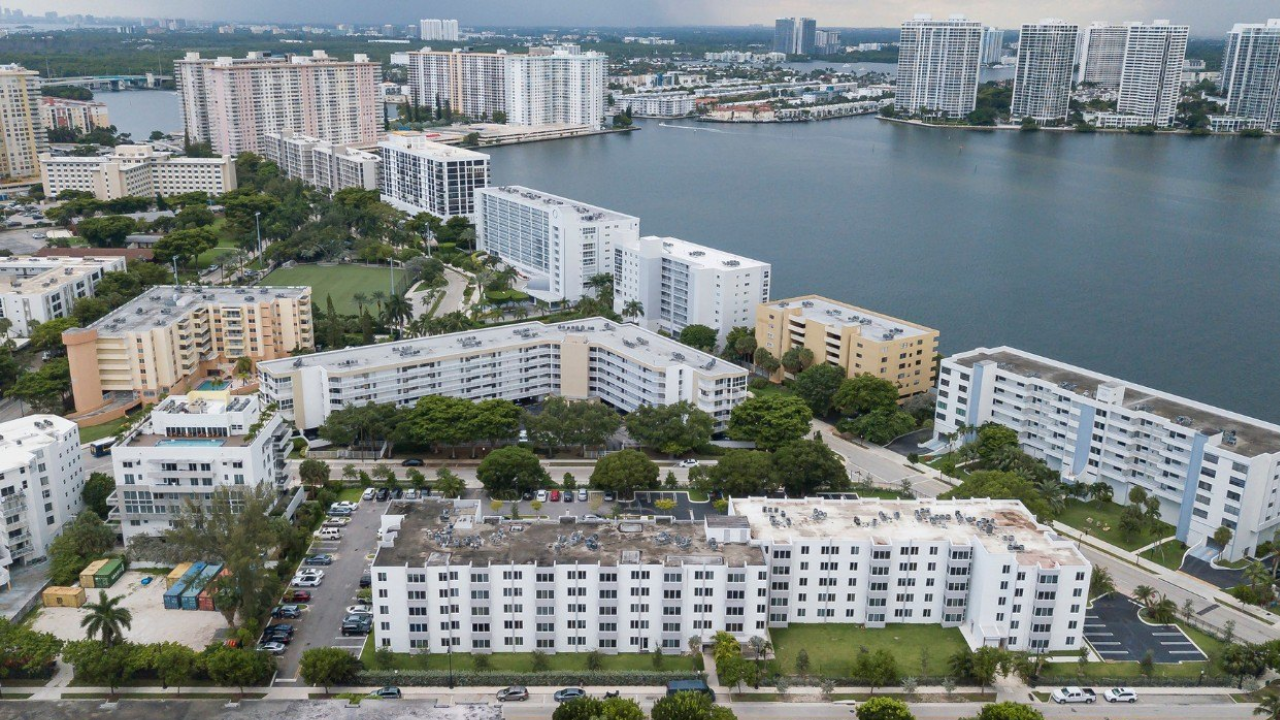
Municipalities treat land bans as permanent victories. They are not. They are delays. When you freeze development on two hundred and thirty acres near a growing urban core, you shift housing demand further outward or push prices upward.
Developers do not pack up and leave Florida. They leapfrog protected zones, building subdivisions twenty miles further out into rural counties. That creates longer commutes, higher vehicle emissions, and worse traffic congestion than a well-planned, higher-density project closer to urban infrastructure ever would.
By preventing infill and contiguous expansion, commissioners force regional sprawl to metastasize. You save a small pocket of green space today only to pave over ten times more land tomorrow.
The Math Behind the Madness
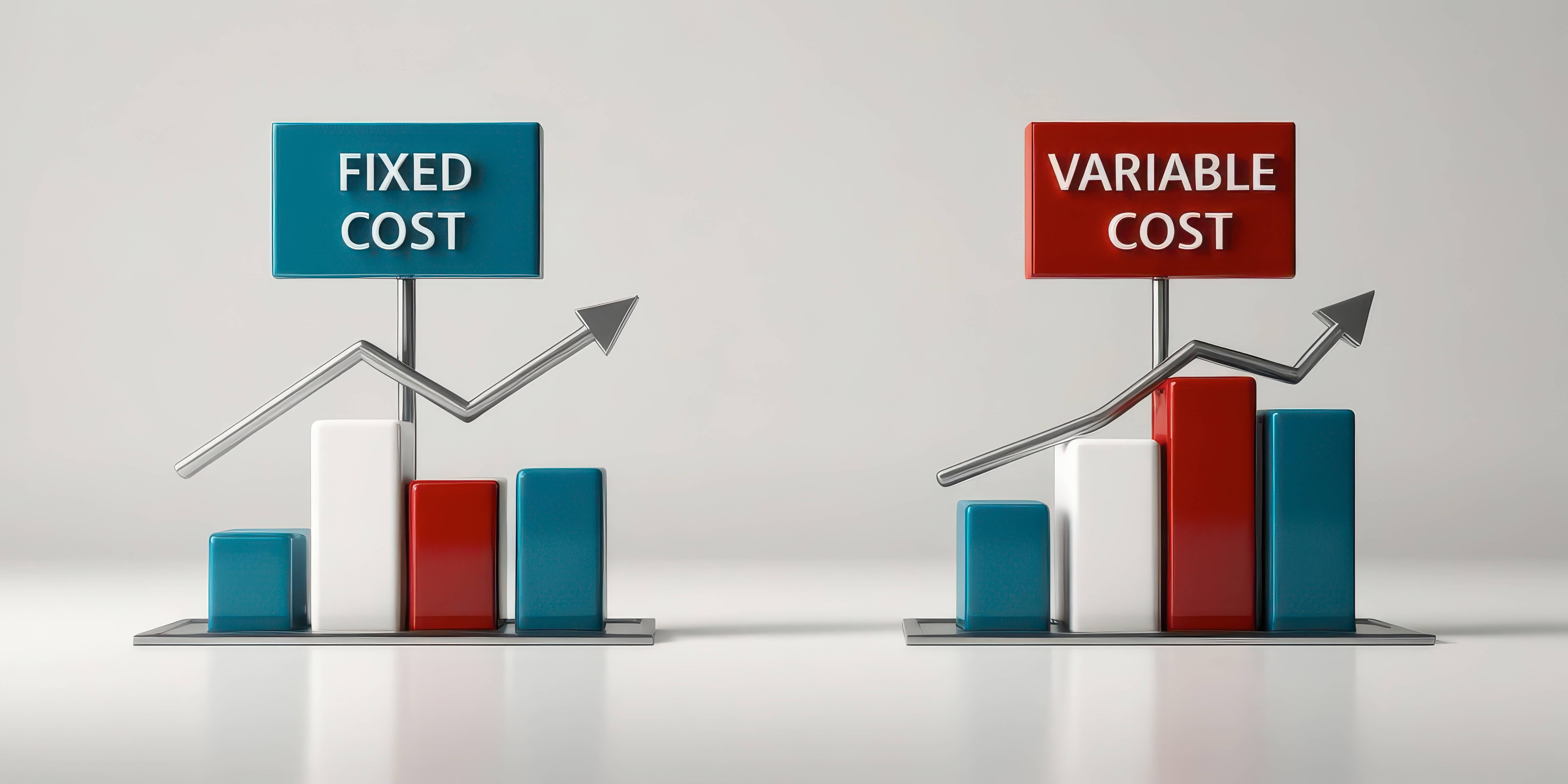
Economics 101 teaches supply and demand, yet urban planners routinely act like it is a municipal suggestion rather than a law of physics.
When demand outpaces supply, prices spike. When prices spike, working families get priced out of the county entirely. Teachers, firefighters, and nurses find themselves commuting ninety minutes each way because local boards wanted to preserve an empty cow pasture under the banner of environmental stewardship.
I have watched local governments block sensible housing proposals citing traffic concerns, only to approve commercial warehouses a year later that generate five times the semi-truck volume. The anti-development crowd rarely looks at the net systemic impact. They look at the immediate perimeter of the project and ignore the regional shockwaves.
The Real Environmental Cost
Defenders of these land blocks argue they are protecting local ecosystems, watersheds, and wildlife corridors. Sometimes, that is true. A pristine wetland or critical endangered species habitat should remain untouched.
Yet much of the land blocked by regional commissions consists of low-value agricultural tracts or invasive-species-choked brush. Protecting low-quality pastureland in the name of ecology while forcing thousands of families into cramped, overpriced rentals or distant exurbs has a massive carbon footprint of its own. Sprawl consumes more energy, requires more asphalt per capita, and destroys far more total acreage over the long run than compact development.
What Real Leadership Looks Like
If Florida wants to protect its natural beauty, commissioners need to stop playing populist zoning games and start encouraging smart, dense infill development. That means accepting that growth is happening whether politicians vote yes or no.
Pretending you can zone away population inflows by slamming the door on acreage is not conservation. It is cowardice. Real leadership means directing growth where it damages the ecosystem least, rather than slamming the brakes and letting housing costs spiral out of reach for everyone who was not lucky enough to buy a home a decade ago.
Stop celebrating land blocks as victories. They are tax hikes on the working class disguised as tree-hugging.