When nuclear-armed rivals clash, everyone looks for external saviors. People assume regional heavyweights will step in to shift the balance. They are usually wrong. If an India-Pakistan war breaks out, the diplomatic acrobatics of Saudi Arabia and Turkey will face a brutal reality check.
Let's cut through the noise. Riyadh and Ankara talk a big game about Islamic solidarity. Their actual foreign policies are driven by cold, hard national interest. I've watched analysts treat Gulf monarchies and modern Turkish ambitions like predictable chess pieces. They aren't. They are pragmatic actors navigating severe economic constraints and complex global alliances. Recently making headlines recently: The Hollow Arsenal Inside the Maximum Pressure Doctrine.
You need to understand what happens when rhetoric crashes into geopolitics. We are talking about billions of dollars in trade, oil supply chains, and defensive postures that have zero room for military adventurism over Kashmir.
The Economic Chains Binding Riyadh to New Delhi
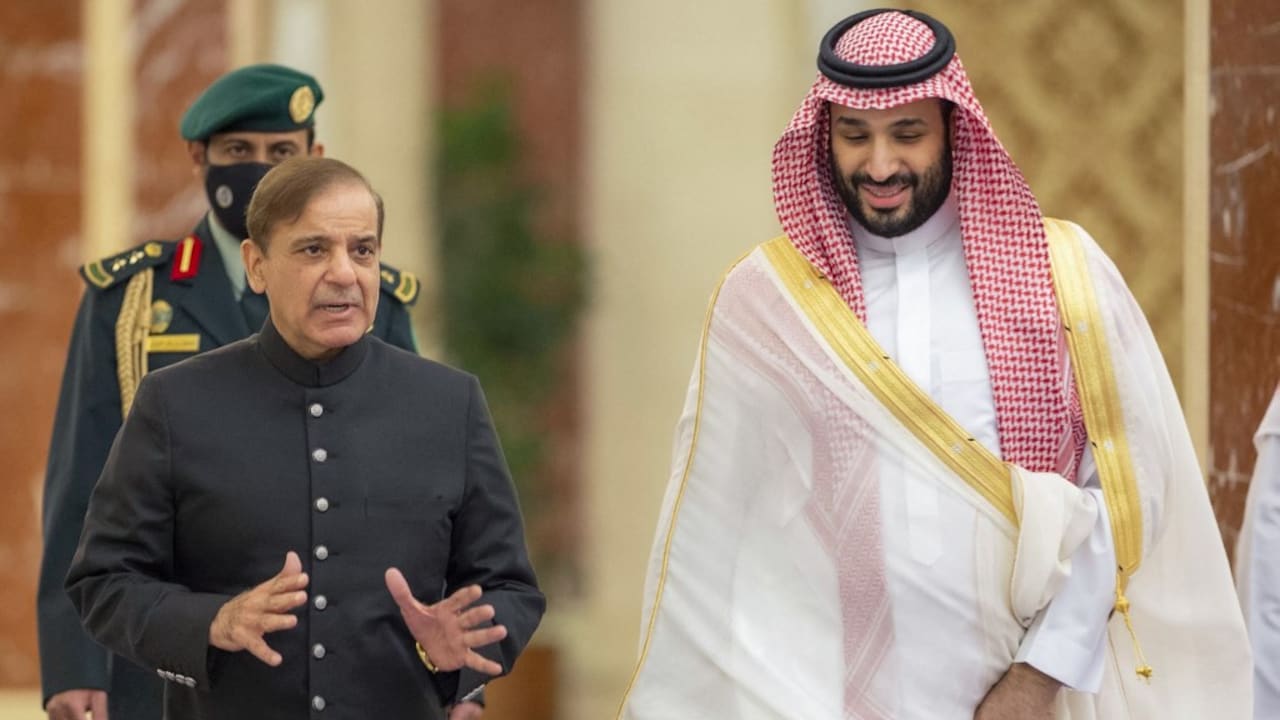
Saudi Arabia doesn't run on pure ideology anymore. Crown Prince Mohammed bin Salman has staked his entire political legacy on Vision 2030. That means transforming a oil-dependent kingdom into a global tech and financial hub. Further information on this are covered by BBC News.
Guess who happens to be one of Saudi Arabia's biggest and most critical economic partners? India.
Bilateral trade between Riyadh and New Delhi hovers around tens of billions of dollars annually. Indian workers form the backbone of Saudi infrastructure, healthcare, and service sectors. More importantly, India is a massive consumer of Saudi crude oil. When you look at the ledger, alienating New Delhi carries a catastrophic price tag for the Saudi economy.
Pakistan has historically relied on Riyadh for financial bailouts. Deferred oil payments and central bank deposits kept Islamabad afloat during severe balance-of-payment crises. That dependency creates a false sense of security in Islamabad.
Pakistan's leaders often assume financial aid translates into military support. It doesn't. During past escalations, Saudi responses stayed carefully calibrated. They issued mild diplomatic statements urging restraint. They did not deploy troops, threaten sanctions against India, or offer military hardware.
If a full-scale conventional war erupted tomorrow, Riyadh would face immense pressure from Western allies and Asian trade partners to stay neutral. Honestly, staying neutral is the only option that protects their economic transformation. Pushing capital into a failing war effort in South Asia makes zero sense for a nation trying to attract global venture capital.
Ankara and the Limits of Neo-Ottoman Ambition
Turkey plays a very different game. President Recep Tayyip Erdogan loves positioning himself as the champion of oppressed Muslim populations worldwide. That stance plays well domestically and helps Ankara project influence across the Middle East and South Asia.
Turkish rhetoric on Kashmir has frequently angered New Delhi. Defense industrial cooperation between Ankara and Islamabad has grown, particularly regarding drone technology and naval upgrades.
Yet, translating diplomatic posturing into actual wartime intervention is nearly impossible. Turkey's economy remains fragile, wrestling with chronic inflation and currency volatility. Ankara cannot afford a major diplomatic fracture with India, which is an increasingly important market for Turkish exports and engineering firms.
Look at Turkey's recent foreign policy shifts. Ankara spent the last few years actively repairing damaged ties with regional rivals like Egypt, the United Arab Emirates, and Israel. Why? Because economic survival requires stability, not new foreign wars.
Getting dragged into a direct confrontation with India would instantly backfire. New Delhi possesses massive diplomatic weight and formidable economic leverage. Turkey's defense sector relies on international supply chains and export markets. Risking those interests for a distant conflict in South Asia contradicts everything Ankara's foreign ministry prioritizes today.
What Strategic Autonomy Actually Means
South Asian strategists often misunderstand how middle powers operate. They expect unconditional alliances reminiscent of the Cold War. Those days are gone.
India's foreign policy doctrine of multi-alignment has completely changed the game. New Delhi maintains strong defense and economic ties with Washington, Moscow, Tokyo, Abu Dhabi, and Riyadh simultaneously. Because India is too big to isolate and too valuable to alienate, foreign capitals calculate their moves very carefully.
If a localized skirmish threatens to spiral into a nuclear exchange, Saudi Arabia and Turkey will act as anxious mediators rather than active combatants. They want de-escalation because regional instability disrupts global energy markets and supply chains. Higher oil prices might temporarily benefit Saudi coffers, but prolonged regional warfare destroys investor confidence across the entire continent.
Islamabad has to face this uncomfortable truth. When push comes to shove, you stand alone. External allies will offer sympathetic communiques and humanitarian aid. They will not risk their own national survival or economic prosperity to fight a nuclear-armed neighbor on your behalf.
Navigating the Realities of Modern Diplomacy
Stop expecting foreign capitals to rescue domestic policy failures or resolve intractable territorial disputes. The next time tensions flare between New Delhi and Islamabad, watch the actions instead of the speeches.
Pay attention to oil shipments, trade delegation schedules, and backchannel diplomatic communiques. You will notice that financial self-preservation always defeats ideological posturing.
Recognizing these hard boundaries changes how you analyze international crises. It strips away the theater and exposes the raw mechanics of power. Nations protect their own borders and bank accounts first. Everything else is just politics.