Back in 2014, Microsoft looked like a relic. The mobile revolution had completely bypassed the company, its stock was stuck in a decade-long slump, and the prevailing corporate culture felt defensive and bureaucratic. Then Satya Nadella took over. He didn't just tweak the business model; he completely rewired the software giant's DNA. He traded Windows-first dogmatism for a cloud-first philosophy, pushed Azure into hyper-growth, and turned a sworn enemy of open-source software into one of its biggest champions.
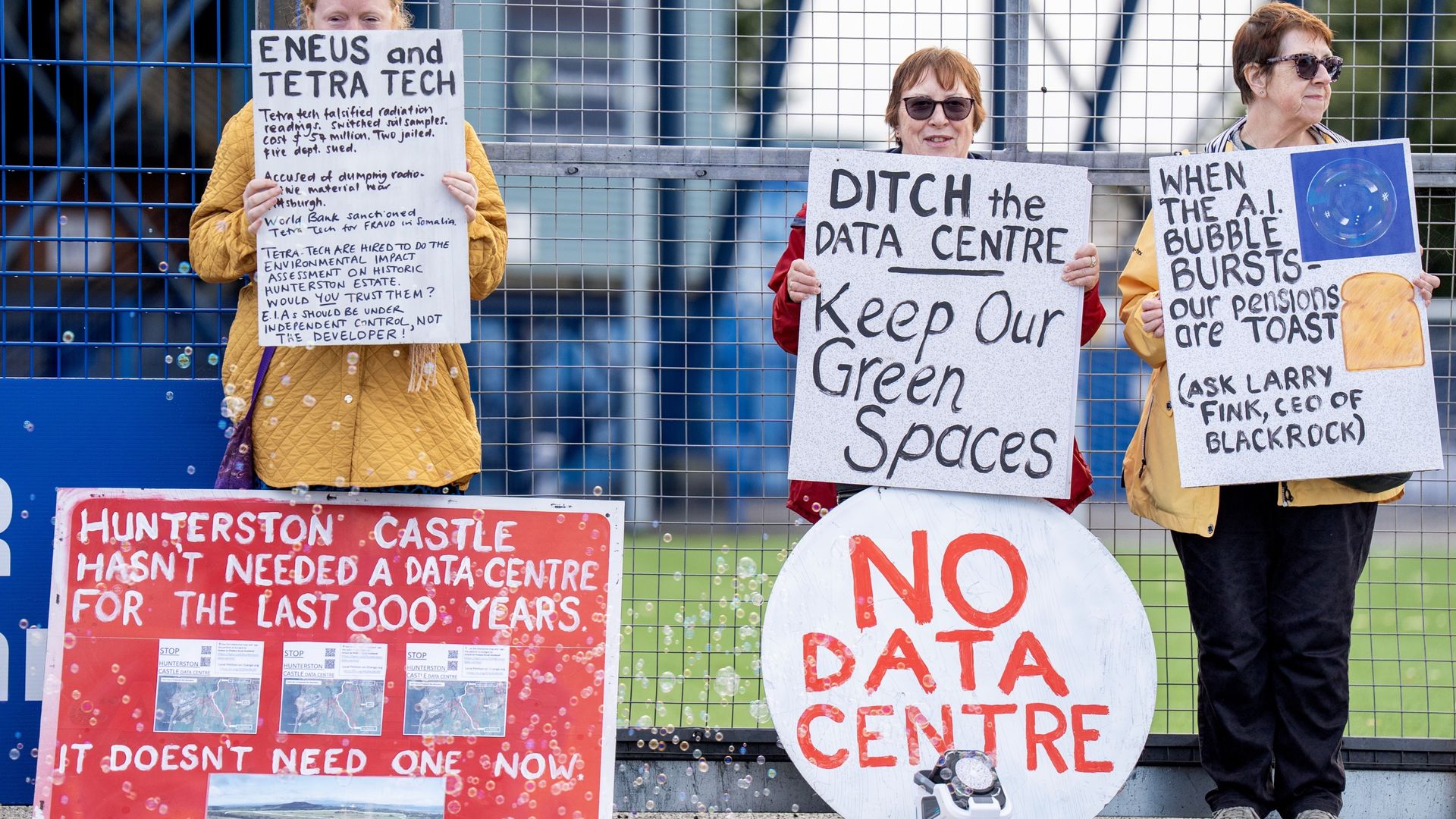
That first reinvention was historic. But now, the tech industry is watching the same CEO face a vastly more complex crucible. Can Satya Nadella pull off a second miracle in the intelligence era, or has the corporate ship simply become too massive to pivot at the speed of modern algorithms? Recently making news in this space: Why Scotland Becoming a Data Centre Hub is a Fantasy Built on Curtailed Wind.
The Cloud Playbook Won't Work Twice
When Microsoft pivoted to cloud computing, the roadmap was fairly straightforward. Enterprise customers already trusted the company's servers and database software. Moving them from on-premises hardware to Azure required persuasive salesmanship and technical reliability, but the destination was clear.
The intelligence shift operates under entirely different physics. Breakthrough models emerge every few months rather than every few years. The capital expenditure required to build and power planet-scale data centers is staggering, and every single query processed eats into margins in a way traditional software licensing never did. More details regarding the matter are detailed by ZDNet.
Nadella understood this early. His 2019 multi-billion-dollar bet on OpenAI gave Microsoft an early-mover advantage that caught competitors completely flat-footed. By rushing GPT models into Azure and embedding Copilots across Office, GitHub, and Windows, Microsoft transformed from a legacy enterprise vendor into the default playground for applied intelligence.
Yet, being first isn't the same as winning permanently.
The Economics of the Token Economy
Everybody wants to talk about features, but the real battleground is financial gravity. Running inference at global scale isn't cheap. As enterprise customers deploy these tools into daily workflows, they aren't just looking at what the technology can do; they are meticulously measuring the cost of tokens against actual productivity outcomes.
Nadella calls this the cost-to-outcome frontier. It is a polite way of saying that corporate buyers eventually stop paying for hype if the return on investment doesn't show up on the balance sheet. Microsoft's cloud revenue numbers are undeniably massive—Azure crossing the hundred-billion-dollar milestone proves the infrastructure is printing money. But maintaining that momentum requires convincing millions of corporate users that paying a monthly seat fee for automated assistance actually moves the needle on their bottom line.
To complicate matters further, the exclusivity of the original OpenAI partnership has evolved. Microsoft no longer holds a monopoly on frontier model access, and its enterprise customers increasingly demand model-agnostic flexibility. That is why platforms like Azure AI Foundry now host thousands of alternative models. Nadella is hedging his bets, transforming Microsoft into a neutral tollbooth for intelligence rather than just the exclusive reseller of one breakthrough lab.
Navigating Internal Tumult and Structural Realities
Reinventing a company with over two hundred thousand employees is messy work. You can't just decree a cultural shift from the executive suite and expect every team to execute flawlessly. As infrastructure demands soar and energy constraints tighten, operational efficiency becomes the primary survival metric.
When a company reorganizes teams or offers voluntary departures to tens of thousands of workers, it signals a deeper transition. Nadella isn't just buying chips and building data centers; he's aggressively restructuring workflows to match a reality where automated agents handle administrative friction. It's a high-stakes bet that leaner, tech-augmented teams can produce higher output without bloating corporate overhead.
Critics love to point out that Microsoft is once again playing catch-up in consumer hardware and mobile touchpoints, ceding those spaces to giants like Apple and Google. But Nadella has never cared about winning every consumer gadget category. His strategy is about anchoring the underlying infrastructure where modern work actually happens. If you write code, draft spreadsheets, manage supply chains, or secure corporate networks, you are likely touching a Microsoft product, whether you realize it or not.
What Comes Next
The real test for Nadella isn't whether Microsoft can generate eye-watering revenue numbers during a secular tech boom. It's whether he can sustain that dominance when the initial novelty of generative interfaces wears off and enterprises demand hard proof of value.
He faces fierce competition from nimble startups, aggressive cloud rivals, and open-source models that threaten to commoditize the very intelligence layer Microsoft paid billions to pioneer. But if history offers any lesson, counting against a leader who already flipped a dying software giant into a cloud titan is a losing bet.
Evaluate your own organization's technology stack today. Stop treating intelligent tooling as a standalone experiment or a shiny toy for creative writing. Audit your actual workflows, calculate your token-to-outcome ratio, and focus your investments where automation yields measurable operational leverage before the market forces your hand.