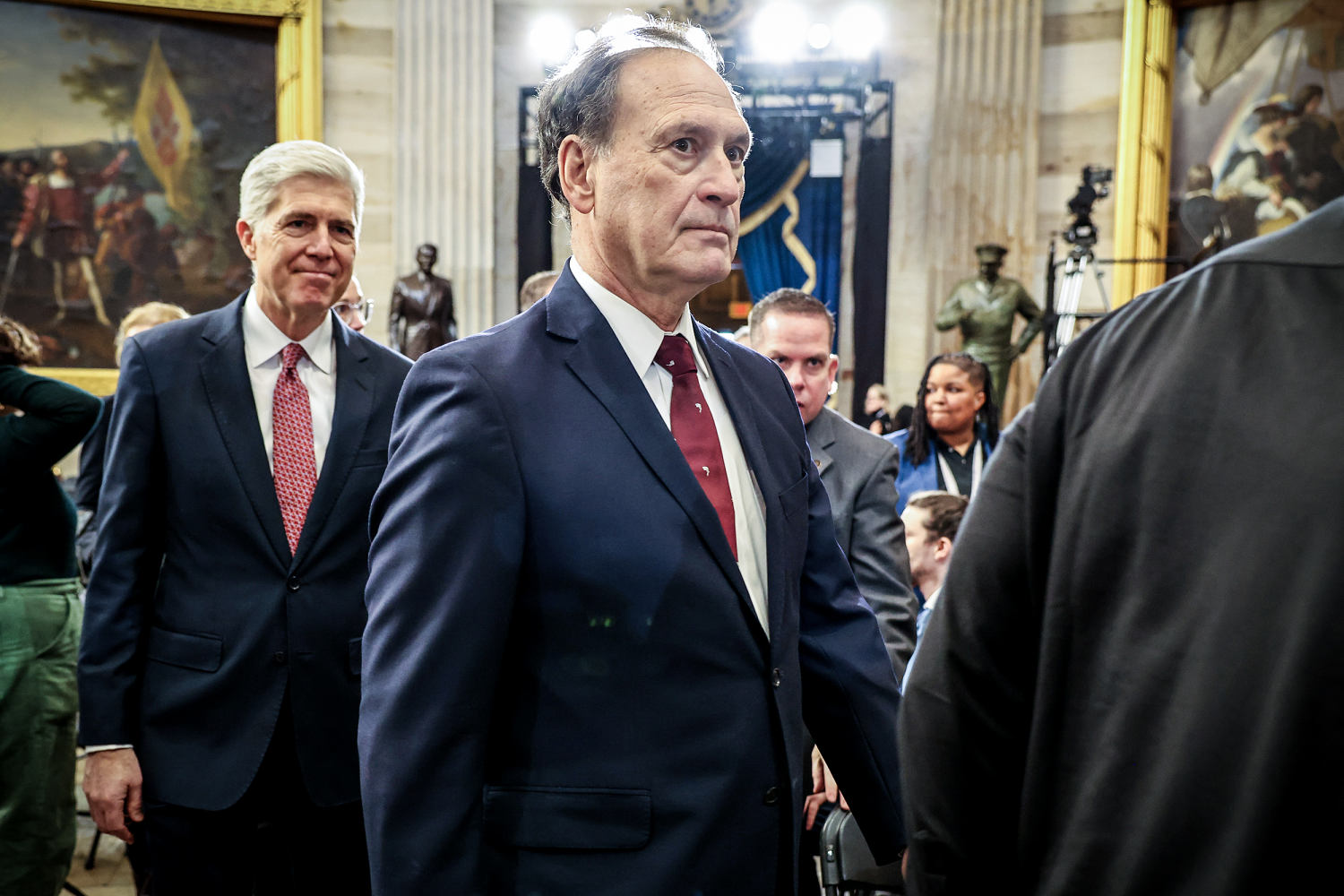
Supreme Court Justice Samuel Alito recently made headlines by stepping aside from a major climate change case just days before oral arguments. The case, Suncor Energy Inc. v. County Commissioners of Boulder County, centers on whether local and state governments can sue fossil fuel companies for billions in damages over climate deception. Alito owns investments in energy sector players like ConocoPhillips and Phillips 66. Ethics watchdogs spent months screaming about the obvious conflict. Alito resisted. Then, in an abrupt about-face, he recused himself.
Let's be honest. This isn't a sudden awakening of judicial conscience. It's damage control. In other developments, read about: Why Justice Alito Stepping Aside From a Massive Climate Case Changes Everything.
The Timing of the Recusal Tells the Real Story
When a judge waits until the literal eve of oral arguments to step away from a blockbuster docket, you have to ask why. For months, pressure mounted from public interest groups and legal scholars pointing out that financial holdings in oil and gas assets create a glaring appearance of bias. Alito initially brushed those concerns aside.
Why change course now? The scrutiny was simply getting too loud to ignore. But let's not mistake a late-stage exit for systemic reform. The high court's self-policing ethics code remains an opaque mess where individual justices act as absolute monarchs over their own conflict-of-interest checklist. The New York Times has also covered this important subject in extensive detail.
This isn't an isolated incident either. Earlier, Alito stepped away from Chevron USA Inc. v. Plaquemines Parish right before arguments for similar reasons tied to his ConocoPhillips holdings. A pattern is emerging. But a pattern of reluctant, last-minute recusals doesn't fix an underlying institutional crisis. It just highlights how arbitrary the whole process is.
Why the Suncor Case Matters So Much
To understand why people cared so intensely about Alito's presence on the bench for this specific dispute, look at what's at stake. Local governments and states are trying to force energy giants to pay up for the astronomical costs of mitigating climate change impacts. If these lawsuits are allowed to proceed in state courts, fossil fuel companies face massive financial liabilities.
The Supreme Court's intervention could either kill these lawsuits entirely or let them proceed, sending shockwaves through the energy sector. Because a ruling against the energy companies or even a broad procedural green light for the plaintiffs could indirectly touch market valuations across the board, critics argued that any justice with direct ties to oil investments had no business voting on the matter. Alito doesn't own shares in Suncor or Exxon directly, but his portfolio links him to other fossil fuel giants deeply invested in the outcome of broader industry liability.
The Flawed Logic of Self-Enforced Ethics
The core problem with the Supreme Court isn't just one justice's portfolio. It's the absolute lack of an independent mechanism to review conflicts. Lower federal judges must follow strict statutory guidelines and face independent review for potential recusals. Supreme Court justices? They grade their own homework.
When a justice decides to stay in a case, the public has to just trust them. When they finally decide to leave, they don't owe anyone a detailed explanation. That creates a system vulnerable to political optics rather than principled consistency. If public trust in the judiciary is at an all-time low, opaque last-minute recusals aren't going to fix it.
Until the court adopts a truly enforceable, independent mechanism to evaluate financial conflicts, every high-profile recusal will look like a reactive PR move rather than a genuine commitment to impartiality. Alito stepping aside from the Boulder climate case solved a localized headache for the court, but the institutional rot remains completely untouched.
Samuel Alito recuses himself from major Supreme Court climate change case
This short video covers the breaking announcement of Justice Alito's abrupt decision to step down from the high-stakes climate litigation just a week before arguments began.