Ukraine just went 800 kilometers deep into Russian territory to take out a weapon Moscow literally cannot replace.
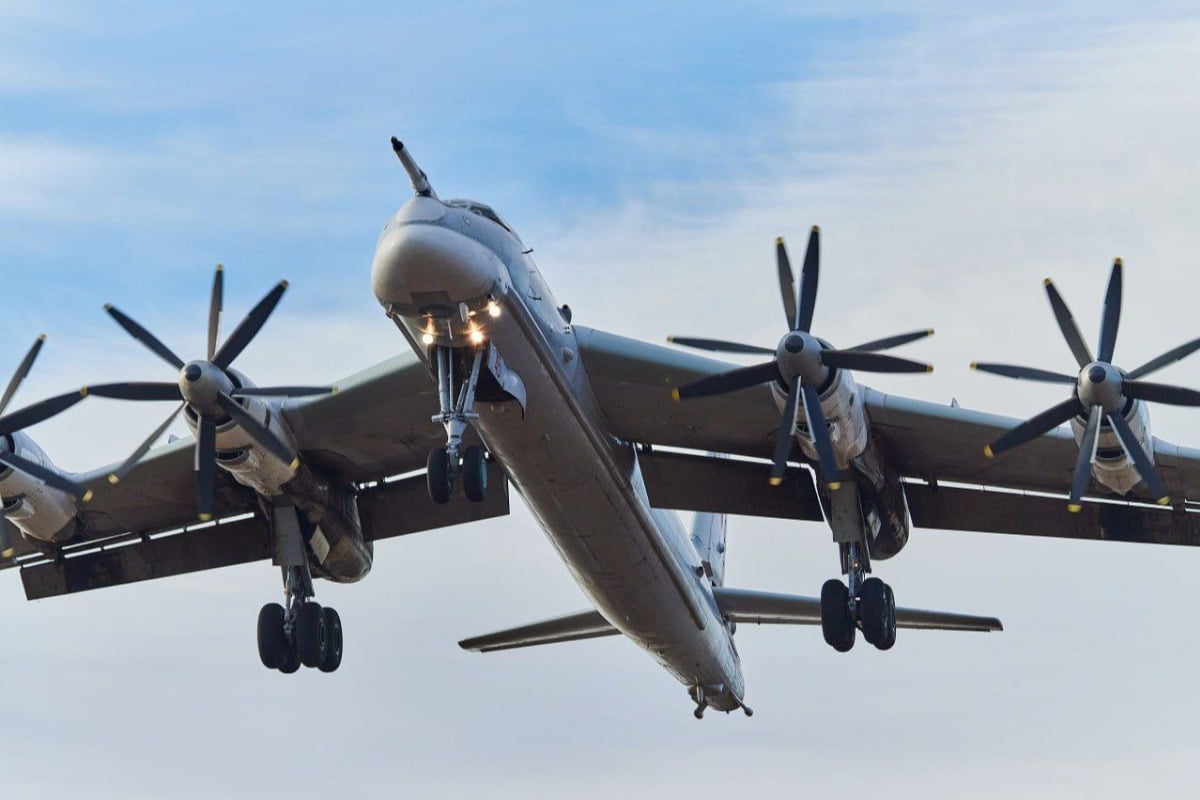
On July 17, 2026, Ukrainian President Volodymyr Zelensky and the Security Service of Ukraine (SBU) confirmed that a long-range drone strike successfully hit the Engels-2 military airfield in Russia's Saratov Oblast. The target wasn't a fuel depot or a standard fighter jet. It was a Tu-95 Bear-H strategic bomber, a massive, Soviet-era multi-million-dollar missile carrier.
According to the SBU, the drone ripped the entire tail section off the aircraft. The damage is absolute. That plane is done.
This isn't just a tactical win for Kyiv. It's a logistical nightmare for the Kremlin. The Soviet Union stopped manufacturing these heavy bombers decades ago. Every single time Ukraine destroys one on the tarmac, Russia's strategic fleet shrinks permanently.
The Reality Behind the Engels Airbase Strike
For months, observers watched Ukraine test Russia's air defenses with increasingly aggressive drone operations. Engels-2 is one of Russia's primary strategic aviation hubs, housing both Tu-95 and Tu-160 bombers. These planes don't fly over Ukrainian airspace. Instead, they sit safely hundreds of miles away, launch Kh-101 and Kh-555 cruise missiles from deep within Russian territory, and let the ordnance do the traveling.
By hitting the bomber at its home base, Ukraine bypassed the need to shoot down the missiles in flight. They killed the archer instead of trying to catch the arrows.
The SBU framed the strike bluntly. Every destroyed bomber means dozens of cruise missiles that will never hit Ukrainian infrastructure. It saves civilian lives, yes, but it also drains tens of millions of dollars from Russia’s military capabilities in a single night.
While Russian Telegram channels spent the morning trying to minimize the blast as a minor fire from intercepted drones, the SBU’s specific description of the severed tail section suggests a direct, catastrophic hit.
The Permanent Depletion of Russia’s Fleet
The biggest problem for Russian Defense Minister leadership isn't the financial loss. It's the production line. Or rather, the total lack of one.
Russia relies heavily on a finite pool of roughly 60 Tu-95 aircraft that survived the collapse of the Soviet Union. They can modernize the electronics, swap out the engines, and clean up the airframes, but they cannot build a new Tu-95 hull from scratch. The tooling is gone. The factories changed. The specialized engineering knowledge dissipated long ago.
When an airframe is structurally compromised—like having its tail section vaporized—it becomes a donor parts bin at best. The fleet gets smaller, the operational strain on the remaining airframes increases, and the intervals between required maintenance shrink. Ukraine understands this math perfectly.
A History of Targeting the Heavy Lifters
This isn't an isolated stroke of luck. Ukraine has systematically hunted Russian strategic aviation for years, slowly moving the needle from occasional nuisance raids to devastating structural operations.
- December 2022: Ukraine shocked Moscow by hitting Engels for the first time, proving the base wasn't an untouchable sanctuary.
- June 2025 (Operation Spiderweb): In a highly complex operation, SBU drones hit multiple airbases, including sites as far away as Irkutsk, damaging or disabling over 40 aircraft.
- April 2025: A targeted drone strike at Engels destroyed one Tu-95MS and severely damaged two others.
- July 2026: The current strike inflicts terminal damage on another active missile platform.
The message from Kyiv is entirely clear. Russian strategic aviation can no longer feel safe anywhere. If a base sits within 1,000 kilometers of the border, it's effectively on the front line.
What This Means for Global Security Observers
Military analysts see this strike as a textbook demonstration of asymmetric warfare. Drones costing a few thousand dollars are successfully trading up against assets worth tens of millions.
It exposes a glaring, persistent weakness in Russia's domestic air defenses. Engels-2 is supposed to be protected by top-tier S-400 radar networks and Pantsir missile systems. Yet, Ukrainian long-range drones continue to slip through the net, navigate hundreds of kilometers of contested airspace, and find their exact targets on the tarmac.
Russia now faces a brutal dilemma. They can pull their strategic bombers even further back into Siberia, increasing the fuel costs, flight hours, and wear and tear on the planes for every mission. Or they can keep them at Engels and risk waking up to more burning wreckage.
Keep a close eye on satellite imagery updates over the next few days. The visual confirmation of that missing tail section will tell the final story, but the political reality is already undeniable. Ukraine's long-range drone program has fundamentally changed the geography of this war.