Robert Mueller is dead at 81. The former FBI Director and Special Counsel, a man whose name became a Rorschach test for American justice, passed away Friday night in Charlottesville, Virginia. His family confirmed the news Saturday, asking for privacy as the country began to dissect the life of a Marine-turned-prosecutor who spent fifty years in the trenches of public service.
But if you expected a quiet moment of national reflection, you haven't been paying attention to the current White House. Within minutes of the announcement, President Donald Trump took to Truth Social with a reaction that can only be described as vintage. "Robert Mueller just died," Trump posted. "Good, I'm glad he's dead. He can no longer hurt innocent people!"
It’s a blunt, jarring end to a rivalry that defined a generation of American politics. Mueller was the ultimate "straight arrow"—a Princeton-educated, Vietnam-decorated veteran with a jawline made of granite and a temperament to match. Trump was the disruptor who viewed Mueller’s two-year Russia probe as a personal hit job. Now that Mueller is gone, the debate over his work isn't ending. It’s just moving from the courtroom to the history books.
The Marine Who Remade the FBI
Mueller took over the FBI just one week before the September 11 attacks in 2001. Imagine that. You walk into the top job at the nation's premier law enforcement agency, and seven days later, the world breaks. Before 9/11, the FBI was mostly about bank robberies and mobsters. Mueller changed that. He dragged the Bureau into the 21st century, turning it into a global intelligence machine focused on stopping the next plot before it happened.
He stayed in that post for 12 years, spanning both the Bush and Obama administrations. That kind of longevity is almost unheard of in D.C. He was the guy you called when you needed someone who wouldn't blink. He’d prosecuted John Gotti. He’d gone after Manuel Noriega. He was, by all accounts, a man of rules.
But rules can be a double-edged sword. While Mueller was credited with saving lives through counter-terrorism, he also faced heat for expanded surveillance and the Bureau's use of informants in Muslim communities. He wasn't a saint to everyone. He was a bureaucrat with a badge, and he played for keeps.
That Russia Investigation and the Trump Fallout
In 2017, Mueller was pulled out of private practice to serve as Special Counsel. The mission? Figure out if the Trump campaign conspired with Russia to tilt the 2016 election. For 22 months, Mueller was the most famous person in the world who never spoke. He didn't do press conferences. He didn't leak. He just filed indictments.
By the time he was done, his team had charged 34 people, including several of Trump’s top aides. They secured guilty pleas from the likes of Michael Flynn and Paul Manafort. But the final report—the famous 448-page Mueller Report—was a bit of a letdown for anyone looking for a "smoking gun."
- No Conspiracy: The report didn't find enough evidence to charge a criminal conspiracy between the campaign and Russia.
- No Exoneration: On the question of whether Trump obstructed justice, Mueller famously wrote, "While this report does not conclude that the President committed a crime, it also does not exonerate him."
Trump called it a "witch hunt" then, and clearly, he hasn't moved on. His Saturday post about being "glad" Mueller is dead is a reminder that the scars of that investigation never really healed. To Trump, Mueller was a tool of the "deep state." To Mueller's defenders, he was a man handcuffed by Department of Justice policy that prevents indicting a sitting president.
Life After the Spotlight
Mueller spent his final years dealing with a battle he couldn't litigate his way out of. He was diagnosed with Parkinson’s disease in 2021, shortly after retiring from his law firm, WilmerHale. He spent his last days in a senior living facility in Virginia.
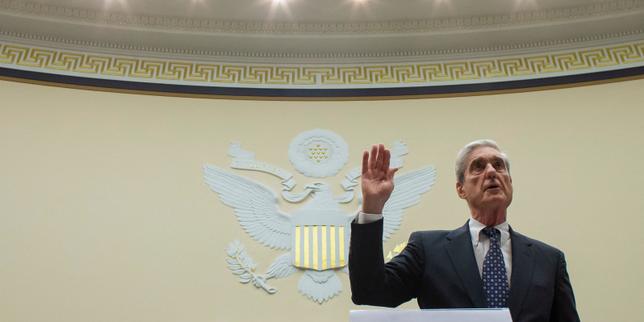
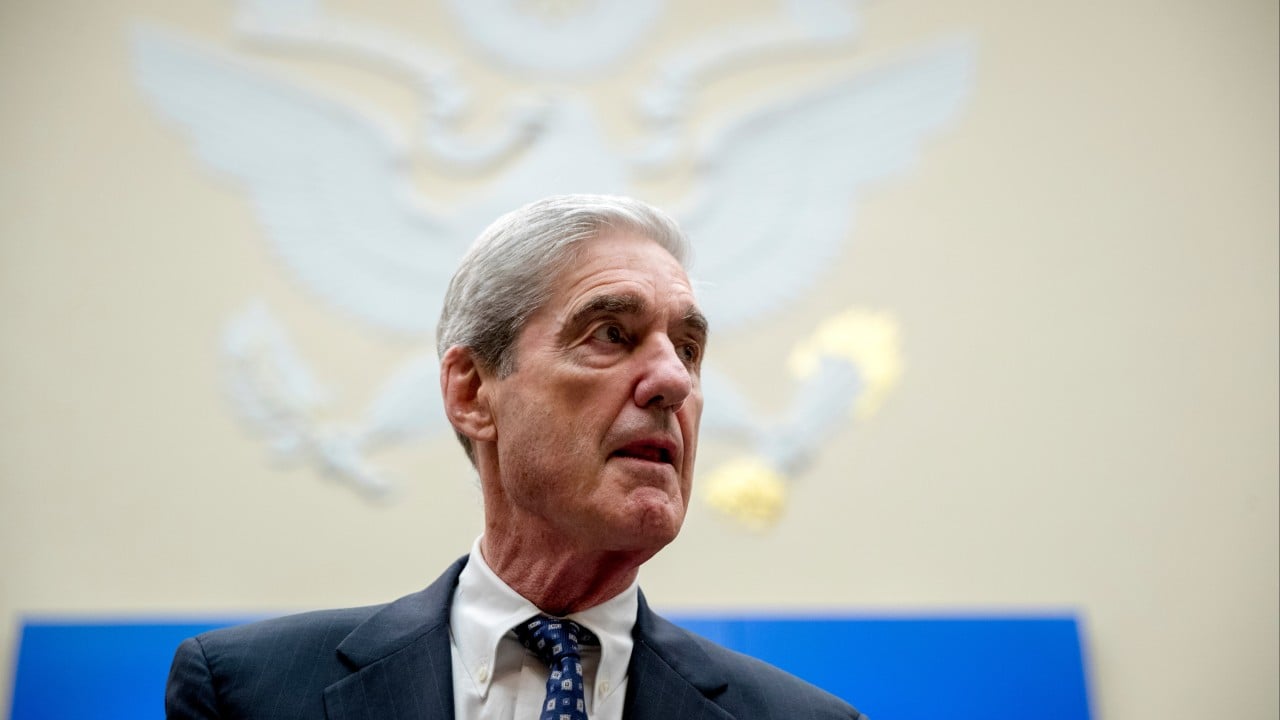
His final public appearance before Congress in 2019 was a tough watch. The man who once looked like a marble statue seemed frail. He struggled with some questions. Critics pounced, saying he’d lost his fastball. Supporters argued it didn't matter—the work was on the page.
What This Means for You
Why should you care about the death of a retired federal official? Because Mueller represented a specific kind of American institution that's currently under siege. He believed in the "rule of law" as a physical thing, something you could lean on. Whether you think he was a hero or a villain, his passing marks the end of an era where "the facts" were supposed to be the final word.
If you're following the news today, here’s how to parse the noise:
- Watch the DOJ: Current FBI Director Kash Patel, a staunch Trump ally, hasn't said a word yet. This silence speaks volumes about the current state of the Bureau.
- Look at the Legacy: Don't just focus on the Russia probe. Mueller’s impact on how the US collects intelligence post-9/11 is arguably more significant for your daily life and privacy.
- Expect a Partisan War: You're going to see one side calling him a patriot and the other calling him a traitor. Both are simplified versions of a very complicated 50-year career.
Mueller died at 81, a Marine to the end. He didn't leave a final statement or a tell-all memoir. He left a paper trail and a legacy of service that few can match, even if the man in the Oval Office thinks the world is better off without him.
Check out the full breakdown of the Mueller Report findings if you want to understand why the President is still so angry years later. It's the only way to see past the social media posts and understand the actual law at play.