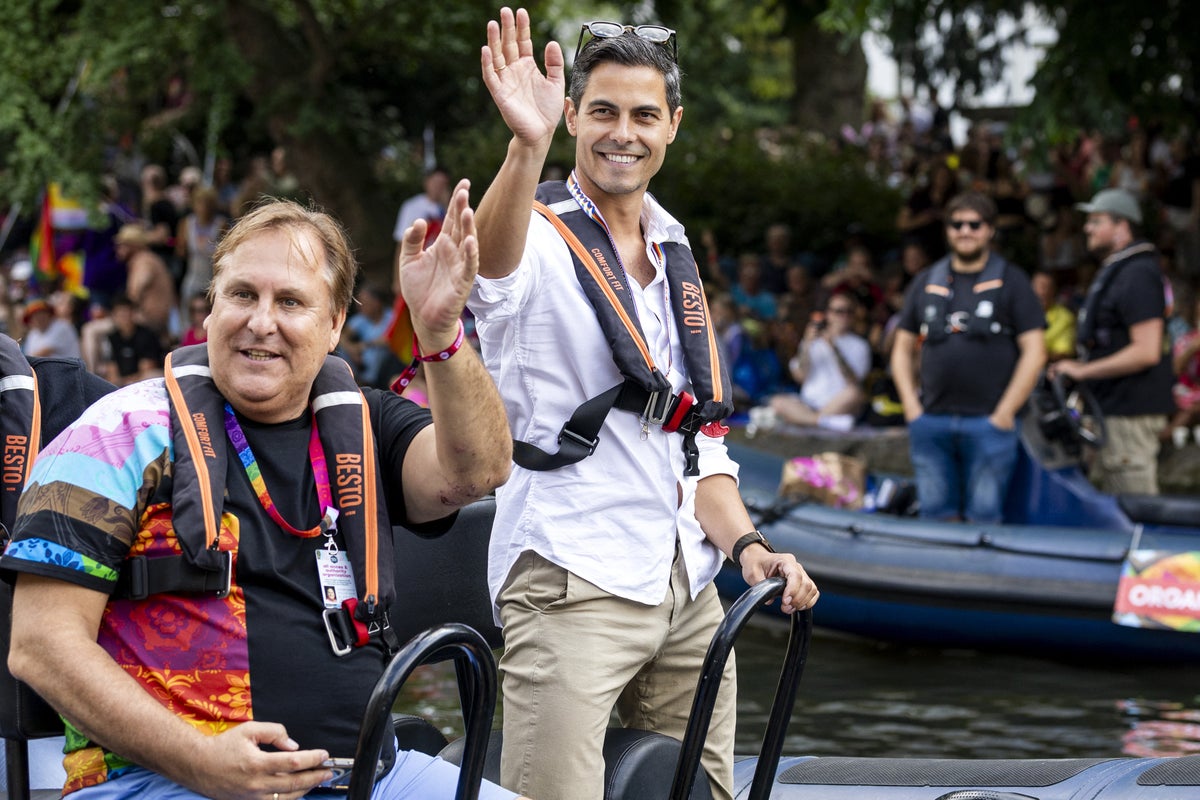
Hundreds of thousands of spectators packed the historic canals of Amsterdam to watch the iconic canal boat parade. But this year felt entirely different. Prime Minister Rob Jetten stepped onto a small boat, becoming the first head of government in Dutch history to physically sail in the parade.
Dressed casually in a white shirt, a black life vest, and a gold necklace, Jetten waved to the roaring crowds as techno music reverberated off the canal houses. As the nation's first openly gay prime minister, his presence wasn't just symbolic window dressing. It was a direct political statement delivered against a tense backdrop of rising security concerns across Europe.
A Historic Milestone on the Water
The symbolic weight of Jetten's participation cannot be overstated. When he assumed office in February 2026 as the youngest and first openly LGBTQ+ prime minister in the Netherlands, he signaled a generational shift in leadership. Coasting through the water on one of the 80 official parade vessels, he bridged the gap between institutional power and grassroots queer visibility.
Yet, the festive atmosphere carried a heavy undertone. Just a week prior, a violent attack disrupted a Pride event in Berlin, leaving one person dead and dozens injured. That tragedy cast an immediate shadow over celebrations throughout the continent, forcing local organizers and security forces to recalibrate.
Heavy security measures lined the Amsterdam route. Police motorboats patrolled the murky canal waters while a surveillance helicopter hovered overhead. Amsterdam Mayor Femke Halsema managed a delicate balance, ramping up protective protocols while ensuring the city maintained its open, celebratory spirit.
Why This Pride Event Hit Differently
For years, the Netherlands enjoyed a global reputation as an unshakeable haven of tolerance and progressive values. That narrative has started to fray. Recent domestic reports indicate a sharp uptick in verbal and physical harassment targeting the LGBTQ+ community on Dutch streets.
Jetten addressed this harsh reality head-on. In a video published on X, he stressed that public celebrations are more critical now than they have been in decades. He pointed to a global resurgence of discriminatory legislation, declining street safety, and the recent bloodshed in Germany as proof that hard-won rights are never permanently secured.
Later, standing on the famous Skinny Bridge wearing a rainbow maple-leaf shirt alongside international visitors attending Amsterdam's World Pride events, Jetten distilled the core message down to its basics. Acceptance means nothing if you cannot safely exist as your authentic self in public.
The Broader Cultural Impact
The political landscape in Europe is shifting rapidly, and culture-war flashpoints are increasingly tied to physical safety. By actively participating rather than watching safely from a VIP balcony, Jetten tied his political survival and administrative credibility directly to the defense of marginalized groups.
The contrast between institutional indifference and active solidarity is stark. When leaders hide behind sterile press releases condemning violence, change happens slowly. When a sitting prime minister puts on a life vest and joins the crowd amid heightened threat levels, the message to bigots and bigoted lawmakers alike is loud and clear.
Tolerance is a baseline. Active defense is the requirement. As Amsterdam looks toward upcoming human rights conferences and international delegations, the image of a smiling prime minister bobbing down a canal on a modest boat serves as a reminder that visibility remains a powerful form of resistance.