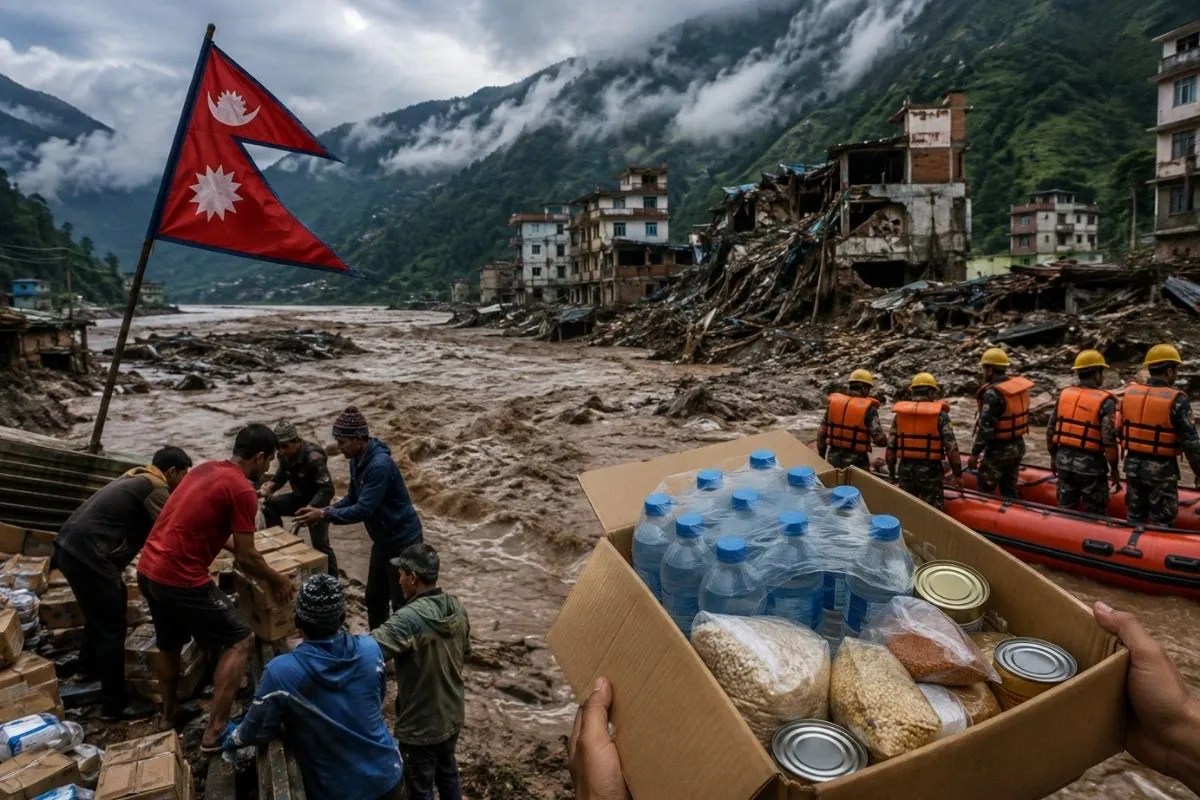
The sound starts long before the water arrives. It is a low, grinding growl, like heavy furniture being dragged across a floor above you, except there is no upstairs. There is only the hillside, saturated and heavy, and the river that has finally decided it owns the valley again.
Listen.
Water does not care about your property deeds. It does not care that you spent fifteen years saving for the tin roof, or that your daughter’s textbooks are stacked neatly in a plastic crate by the door. When a monsoon swells with the fury of a broken sky, the river simply reclaims its ancient bed. And you are standing in the middle of it.
Nepal knows this sound too well.
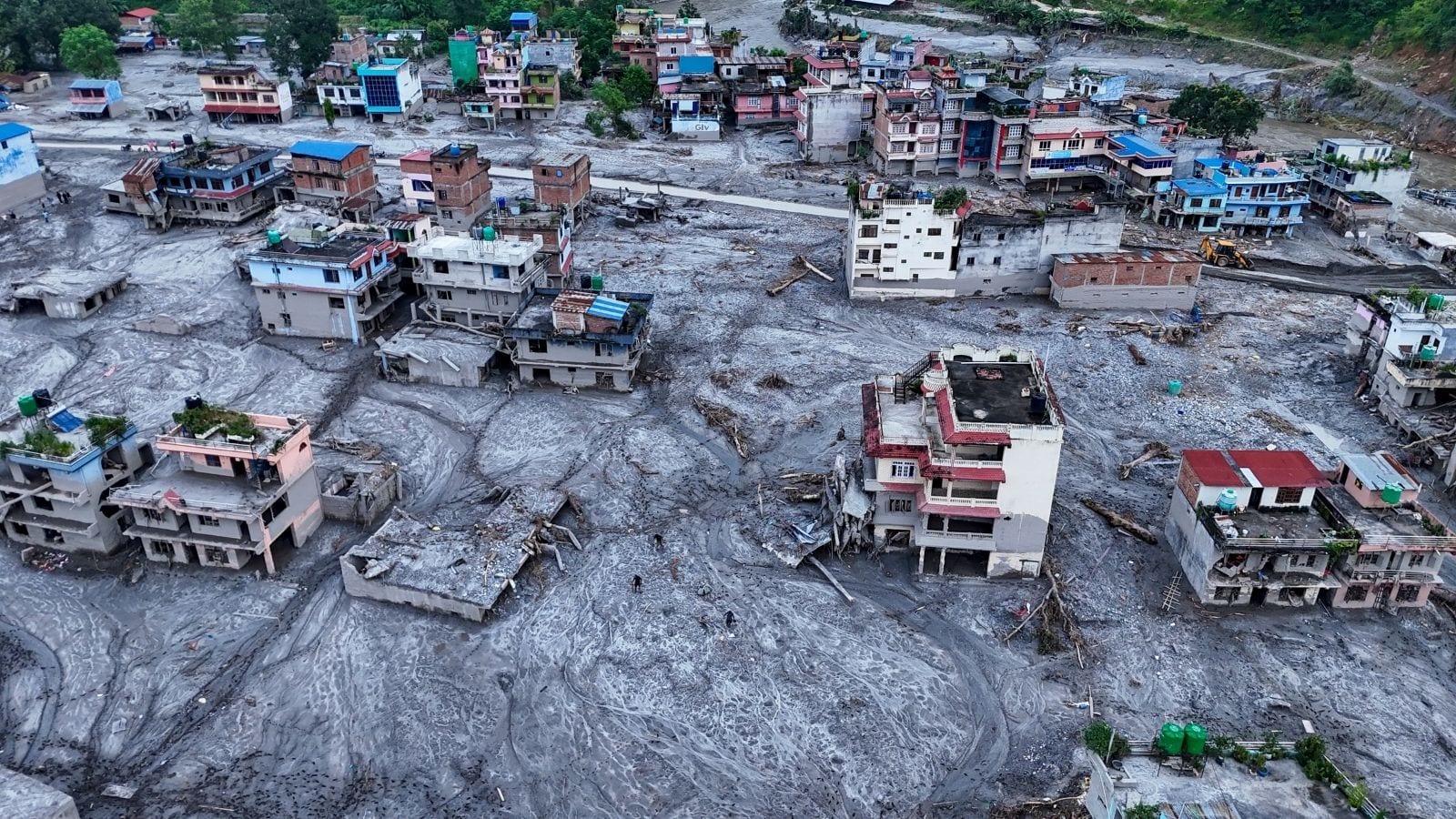
Numbers tell a cold story if you let them. Two point fifty-six billion dollars. That is the staggering price tag attached to the recent floods—a financial wound that tears through the heart of a developing nation already walking a tightrope. Twenty thousand homes. Erased. Not damaged, not in need of a fresh coat of paint, but utterly leveled, leaving families to stare at empty concrete slabs where their kitchens used time-honored rhythms just days before.
Statistics are shields. They protect us from the unbearable weight of individual grief. But behind that sterile total of twenty thousand collapsed roofs are twenty thousand quiet kitchen tables where someone is wondering where they will sleep when the autumn air turns bitter.
Consider what happens next.
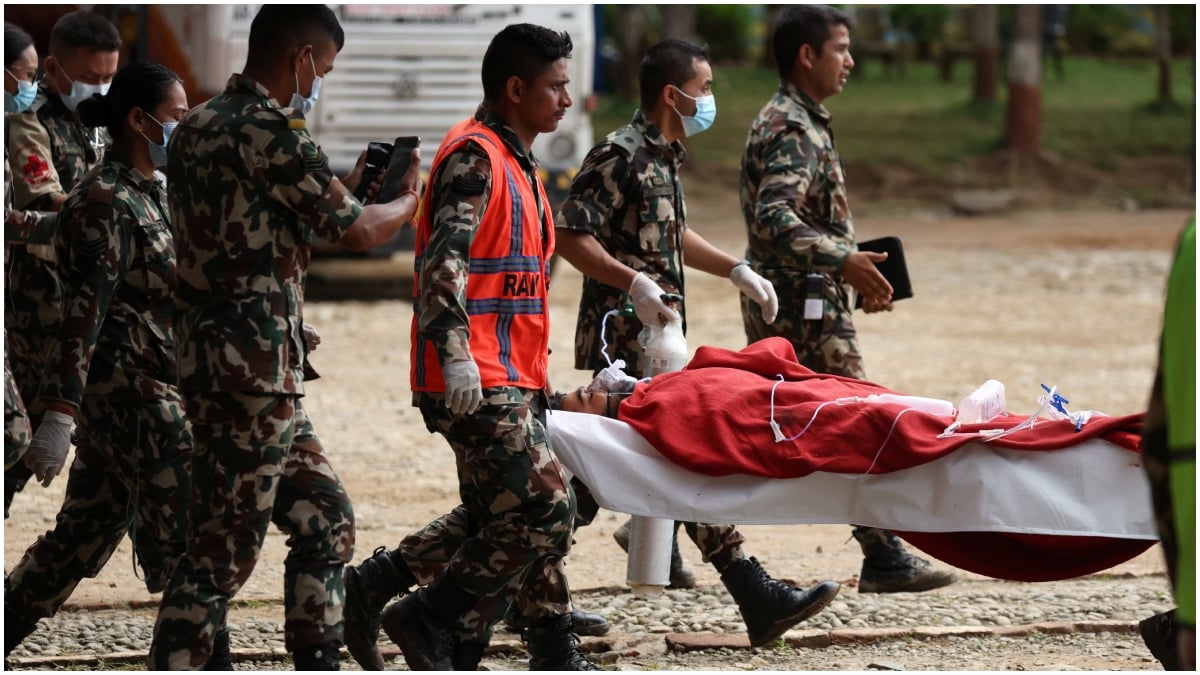
The rain stops. The clouds part, revealing an unforgiving, brilliant blue sky that mocks the mud below. Cameras arrive. Drones hum overhead like mechanical dragonflies, capturing the grand, sweeping scale of the tragedy for the evening news. The anchors speak in hushed, solemn tones about billions of dollars in infrastructure loss. Bridges snapped like dry twigs. Highways swallowed by landslides.
Then the cameras leave.
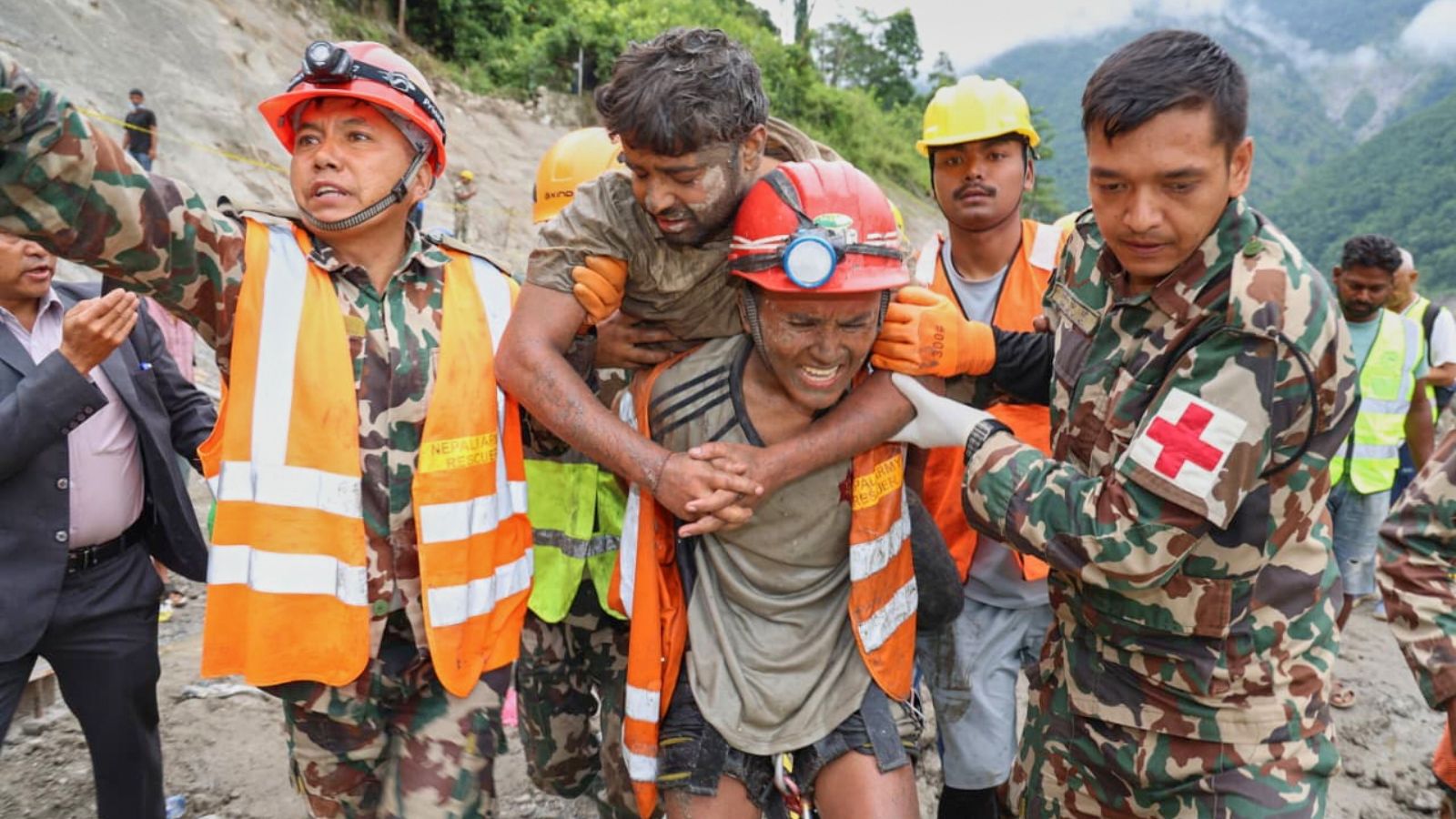
That is when the real work begins. It is the work of a mother scraping thick, foul-smelling river silt out of a sewing machine with a bent kitchen spoon. It is the work of a grandfather salvaging unbroken bricks from the rubble of his bedroom, stacking them one by one into a neat, hopeful pile.
I remember the smell of flood mud. It is a suffocating mixture of rotting vegetation, diesel fuel, and raw earth that clings to the inside of your nostrils for weeks. It smells like despair. When you have lived through the rising tide—when you have watched the brown line creep up the doorframe, inch by agonizing inch, until it laps at the electrical outlets—something fundamental shifts inside you. You realize with terrifying clarity how thin the veneer of civilization actually is. We build our lives out of mortar, ambition, and routine, pretending the earth beneath us is solid. It is not. It is fluid. It is patient.
The economic fallout of these disasters is not an abstract spreadsheet entry managed by distant central banks. It is a shattered local economy where farmers who lost their entire maize harvest cannot pay back microloans, plunging generations deeper into a shadow debt they can never outrun. It is a construction worker who suddenly finds himself competing with ten thousand other men for three bags of cement and a sheet of corrugated iron.
Prices spike. Supply chains fracture. A nation tries to rebuild its spine while its pockets are inside out.
How do you put a price on a home? Insurers talk in terms of replacement value, square footage, and depreciation. But how do you depreciate the spot where your mother sat every evening shelling peas? How do you calculate the square footage of safety? You cannot. You only count the wreckage and try to find a way to breathe through the dust.
The physical rebuilding requires steel, timber, and mortar. But the spiritual rebuilding requires something far rarer: stubborn, irrational hope.
Drive through the valleys of Sindhupalchok or the plains of the southern Terai right now, and you will see it. Amid the wreckage, someone is already driving a wooden stake into the ground, tying a fluttering red ribbon to its top to mark a new boundary line. They are not waiting for international aid packages that take months to clear bureaucracy. They are mixing mud and straw with their bare hands. They are sharing a single pot of lentil soup over an open fire with neighbors who lost even more than they did.
Human resilience is not a noble, cinematic virtue. It is an exhausting, unglamorous reflex. It is getting up at four in the morning to bale out water with a cracked bucket because sitting down means letting the river win.
The two billion-dollar question is not how Nepal will balance its ledger sheets. It is how a country adapts to a climate clock that has been violently fast-forwarded. Monsoons are no longer predictable rhythms of agriculture; they are erratic, punishing water cannons fueled by warming seas and disrupted atmospheric rivers. Yesterday’s hundred-year flood is today’s baseline expectation.
If we continue to treat these catastrophes as freak anomalies—as sudden tragedies that require a temporary wave of charity followed by collective amnesia—we are lying to ourselves. Rebuilding the twenty thousand homes the exact same way, in the exact same flood zones, is not recovery. It is an invitation to the next storm.
True reconstruction demands imagination. It means moving villages away from volatile riverbanks, even when those banks are ancestral lands tied to a family's identity for three centuries. It means engineering roads that can breathe with the mountains rather than fighting them. It means listening to indigenous knowledge systems that knew where the water went fifty years ago, long before concrete poured over the natural drainage basins.
The sun sets over the valley, casting long, bruised shadows across the mounds of debris. There is no electricity yet. The grid is a tangle of downed lines half-buried in silt. In the growing darkness, a single kerosene lamp flickers to life through a window frame that no longer has a wall around it.
The light is small. It is vulnerable. But it cuts right through the dark.