The rain in the mountains does not fall; it arrives like an invading army.
First comes the smell—copper and wet leaf-mould, ozone snapped clean out of the sky by a sudden drop in barometric pressure. Then the sound. A low, subterranean growl that vibrates through the soles of your feet long before the first heavy drops hit the corrugated tin roofs of the valley.
When the hillside lets go, it does not whisper. It screams.
To understand what happened when the death toll climbed to 903 in the Nepal flash floods, you have to forget the sterile arithmetic of tragedy. Nine hundred and three is not a statistic. It is nine hundred and three empty teacups left on wooden porches. It is nine hundred and three pairs of shoes sitting by doorways, waiting for feet that will never run down to the fields again. It is a terrifyingly quiet magnitude of loss that reshapes geography faster than tectonic plates.
I remember standing knee-deep in brown, churning sludge years ago, watching a river turn into a highway of debris. There is a specific kind of helplessness that attaches itself to rushing water. You cannot reason with it. You cannot bargain with a wall of mud moving at forty miles an hour, carrying uprooted pine trees like matchsticks and boulders the size of livestock.
Consider what happens in a Himalayan cloudburst. The monsoon winds slam moisture-laden air against the jagged, vertical walls of the roof of the world. Trapped, the clouds wring themselves out with malicious efficiency. Inches of rain fall in mere hours on soil that has already been softened, bloated, and stretched to its structural limit by weeks of relentless precipitation.
Gravity does the rest.
(Note: While the meteorological mechanics of monsoon saturation are thoroughly documented by hydrologists, the terror of standing in its path is something numbers can never fully capture.)
Down in the valleys, people were sleeping.
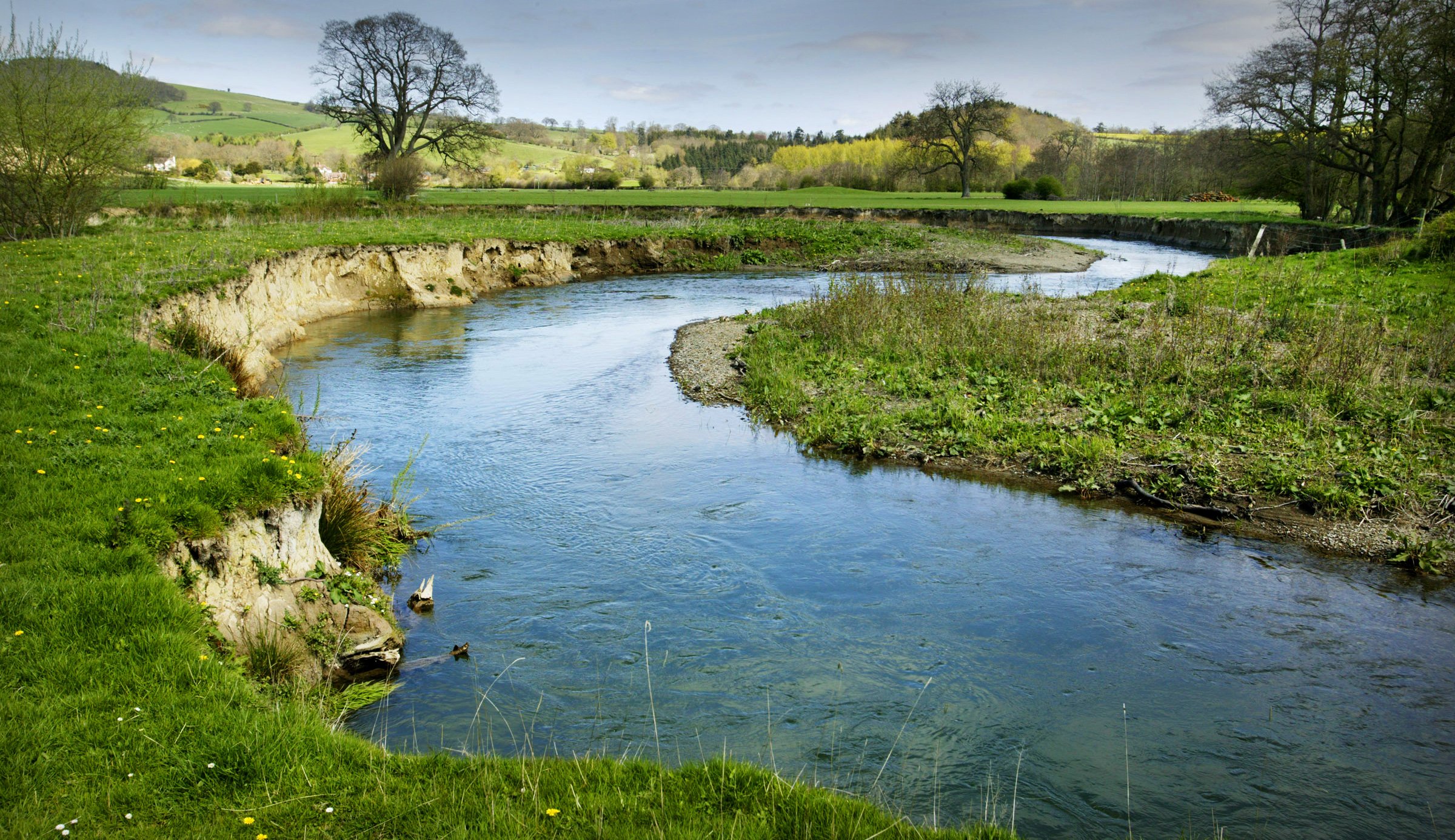
That is the cruelest geometry of flash floods. They strike in the dark, bypassing the luxury of preparation. In villages carved into narrow gorges along swollen tributaries, residents rely on an ancient rhythm of life. They plant rice in the terraces, tend goats on the slopes, and listen to the familiar, lulling roar of the river as background noise to their dreams.
Until the background noise becomes the front line.
Imagine a hypothetical villager—call him Ramesh—woken not by an alarm, but by the shudder of his home's foundation. He reaches out in the dark for his wife’s hand, finding only wet wind blowing through a window frame that was intact ten seconds ago. The floor turns liquid. The door jams against an incoming wall of silt. In less time than it takes to draw a breath, the room is no longer a room. It is part of the current.
This is the invisible stake of climate volatility in high-altitude regions. Nepal’s topography makes it uniquely vulnerable. Glacial lakes, swollen by rising global temperatures, breach their unstable moraine dams. Unprecedented rainfall patterns, stripped of forest cover by decades of logging and road expansion, tear down unprotected slopes with unchecked velocity.
We talk about infrastructure. We talk about early warning systems, reinforced riverbanks, and meteorological sensors. These are vital, urgent tools of modern survival. But on the ground, when the mountain itself comes unzipped, technology often arrives too late.
The aftermath is where the true weight settles.
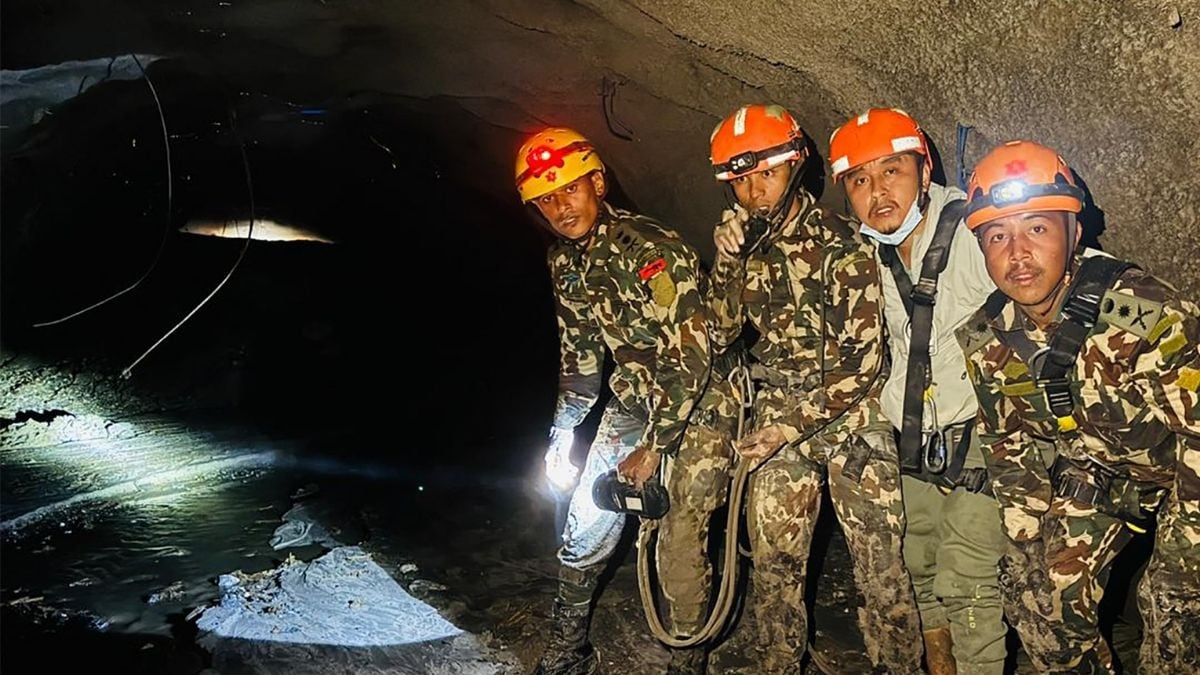
Days later, the water recedes, leaving behind a moonscape of gray silt three feet deep. Entire settlements look as though they were erased by an enormous rubber. Rescue helicopters drone overhead like angry hornets, desperate to drop packets of water and packets of salt to survivors stranded on shrinking islands of mud.
People search with their bare hands.
They scrape at the hardened earth where their kitchens used to be, hunting for a photograph, a metal box, a hand. The air smells of wet dust and decay. In these moments, the resilience of the human spirit is not a poetic abstraction; it is a desperate, bloody-fingered necessity. Mothers hold remaining children close, staring blankly at the line of debris high up on the remaining tree trunks, measuring how close death came to taking everything.
And yet, life persists in the valleys. It has to. The monsoon will return next year. The rivers will still run down from the snows.
The challenge we face is not merely rebuilding what was washed away. That is a fool's errand, building houses of cards in the path of a freight train. The real work lies in learning how to read the landscape before it turns hostile. It requires listening to the ancient warnings of the earth, respecting the sheer, unbridled power of water, and accepting that some spaces belong entirely to the storm.
A lone kerosene lamp flickers in a temporary shelter constructed from blue plastic tarps and salvaged bamboo poles. Outside, the stars are brilliant and indifferent, burning in a vast, clear sky that holds no memory of the rain.