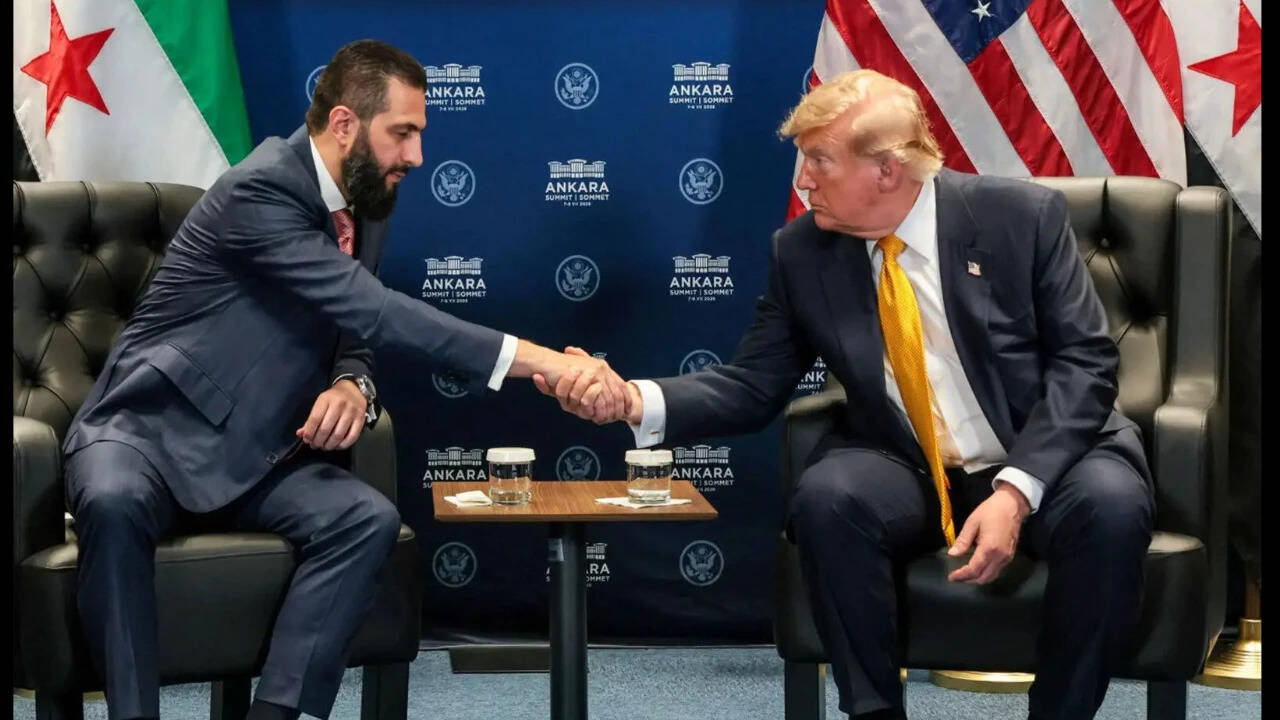
For nearly five decades, a single bureaucratic tag crippled an entire nation's economy. That ended when the United States officially dropped Syria from its State Sponsor of Terrorism list.
If you think this is just diplomatic window dressing, look closer. This decision scraps a 1979 designation that predates most of the people currently living in the country. It follows the dramatic collapse of the Bashar al-Assad regime and the subsequent rise of a new government led by President Ahmed al-Sharaa.
Washington didn't do this out of pure goodwill. Secretary of State Marco Rubio pointed to concrete actions. Syria joined the Global Coalition to Defeat ISIS and cracked down on radical networks. The message is clear. Play ball against international terror, and the isolation ends.
What the Terror List Removal Actually Means for Business
For years, the terrorism label acted as an atomic bomb for foreign investment. Even when general sanctions started rolling back, risk-averse banks and multinational corporations wouldn't touch Syria. Nobody wanted to risk billions in fines from the U.S. Treasury Department.
Now? The floodgates are cracking open.
Treasury Secretary Scott Bessent noted that the move eliminates the final major barrier stopping the private sector from diving into reconstruction. Major financial players are already positioning themselves. We are talking about discussions with entities like Bank of America and infrastructure rollouts with Mastercard alongside regional banks.
You're looking at a complete financial plumbing rebuild. Syria needs everything. Power grids, telecom networks, housing, and factories must be rebuilt from scratch after more than a decade of brutal civil war.
The HTS Factor and Global Skepticism
Let's address the elephant in the room. The U.S. also stripped Hay'at Tahrir al-Sham (HTS) of its global terrorist designation. Critics are furious about this part. HTS grew out of al-Nusra Front, which historically held ties to al-Qaeda.
Washington is taking a calculated gamble. Al-Sharaa distanced his movement from its jihadist roots, broke past affiliations, and took direct aim at ISIS and Iran-aligned militias inside Syrian borders. Realpolitik dictates that stability trumps past grudges.
Regional neighbors like Jordan and Qatar immediately praised the move. They want trade routes open. They want refugees to have a viable country to return to. Turkey views the normalization as a massive win for southern border security.
What Happens Next on the Ground
Getting off a blacklist is easy on paper. Rebuilding a shattered society takes decades.
Syrian officials face immense pressure to prove that foreign capital won't vanish into the pockets of corrupt warlords. Transparency is non-negotiable if foreign direct investment is going to stick. At the same time, the U.S. keeps strict targeted measures on remnants of the old regime.
Only Cuba, Iran, and North Korea remain on the U.S. terror sponsor blacklist now. Syria has stepped out of that dark club. The country is re-entering the global economy, whether skeptics are ready for it or not. Watch the banking sector closely over the next six months because that will tell you if the international market truly believes the hype.


