Hitachiomiya residents look at the forested hills of Ibaraki prefecture and see a scenic valley worth protecting from atomic contamination. When the Nuclear Waste Management Organisation of Japan dangles preliminary surveys and state subsidies in front of rural municipalities, locals mobilize with righteous fury. The headlines write themselves. Small-town pride rises against toxic intrusion. Citizens chant slogans about pristine nature, local tourism, and preserving the landscape for the next generation.
Everyone nods along with the populist outrage. It feels clean. It feels moral. It is also entirely economically illiterate.
The conventional narrative treats a high-level radioactive waste repository as a localized curse that trades public health and regional brand equity for quick cash. This framing misses the fundamental economic reality of modern rural depopulation. Japan’s countryside is not bleeding to death because of imaginary radiation risks from deep underground repositories; it is dying because young people leave for Tokyo and municipal tax bases evaporate into nothingness.
Imagine a scenario where a rural town turns down exploratory cash grants, chases away state energy infrastructure, and clings to its fading identity as an eco-tourism getaway. What does that town look like twenty years later? Uninhabited traditional homes, shuttered community centers, and a shrinking tax pool unable to fund basic municipal pensions or road maintenance. The stigma of a repository is temporary and localized. The stigma of dying out completely is permanent.
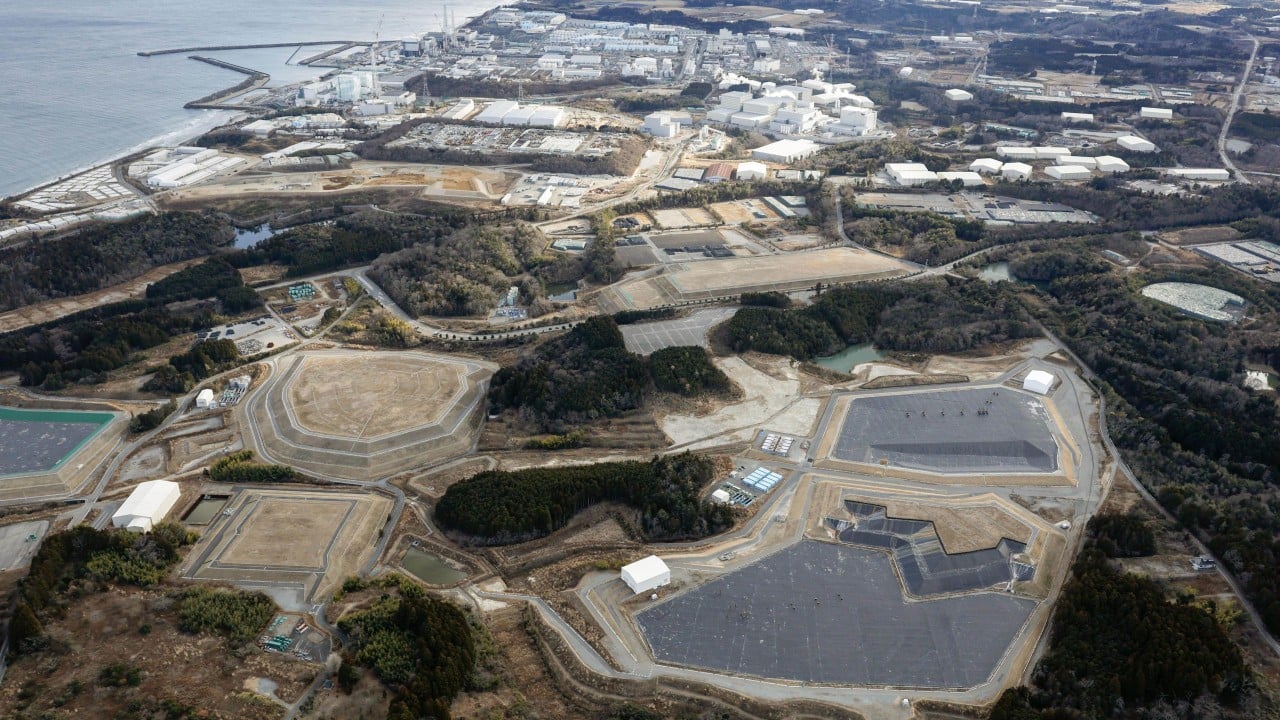
Let us define what these facilities actually are, stripped of science-fiction hysteria. A deep geological repository is not an open pit or a smoking barrel dump. It is an engineered tomb carved hundreds of meters down into stable granite or sedimentary bedrock, sealed behind multiple barriers of copper canisters, bentonite clay, and concrete. The engineering is designed to isolate the material from the biosphere for tens of thousands of years.
The opposition relies on a baseline logical fallacy: the belief that zero risk is a valid policy option in an industrialized society. Japan consumes electricity generated in part by nuclear power. That power produces spent fuel. That fuel exists. Pretending it can remain in temporary pools at reactor sites indefinitely or magically vanish into the ether is a child's strategy for dealing with logistics. If a nation demands the benefits of electricity, it must host the backend of the fuel cycle. Dumping the burden onto remote prefectures while screaming NIMBYism from city centers is not environmentalism; it is urban hypocrisy.
Look at the financial mechanics of hosting these surveys. Host communities do not receive a minor check in the mail. They receive massive influxes of national infrastructure funds, school renovations, medical facility upgrades, and guaranteed employment pipelines that dwarf anything a seasonal hiking trail or a local shrine can produce. Town halls reject these packages out of fear that tourists will stop buying local crafts. But tourists do not check geological survey records before visiting a valley for a weekend hike. They stop coming when the local economy collapses, the restaurants close down, and the town lacks the young workers to keep the tourism infrastructure running in the first place.
Municipal leaders who accept preliminary surveys are routinely branded as sellouts. They should be recognized as realists. They understand that rejecting state energy investments out of abstract dread condemns their constituents to slow municipal insolvency. The anti-nuclear activists marching in the streets offer no alternative budget for towns with negative population growth. They offer slogans. Slogans do not pay for elderly care or winter snow removal.
Stop treating nuclear infrastructure as a moral stain on local character. Start treating it as the heavy industrial asset it is—a multi-billion-dollar state commitment that forces national wealth into neglected rural zip codes.
Accepting the waste is not surrendering to a toxic fate. It is buying the only lifeline left on the table.
Nuclear waste plan for Japanese resort town sparks backlash
This video provides a look at the international and domestic debates surrounding Japan's handling of nuclear-related materials and the fierce public reactions they generate.
http://googleusercontent.com/youtube_content/1