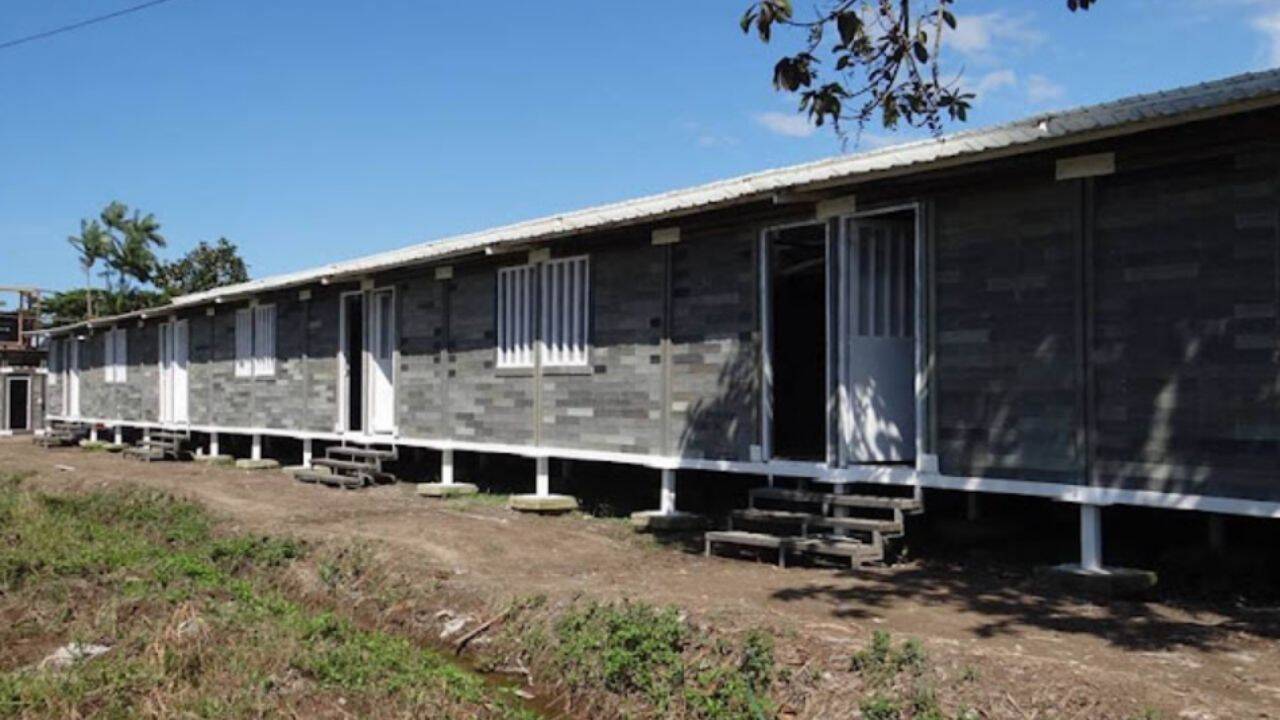
Traditional construction is broken. Transporting heavy cinder blocks, bags of cement, and steel beams to remote or rural areas costs a fortune and takes forever. But what if you could build a sturdy, two-story house using interlocking blocks made entirely of garbage, needing nothing more than a mallet and a wrench? That is not a sci-fi pitch. It is the reality forged by innovators in South America who looked at mountains of discarded trash and saw shelter.
The movement started out of pure frustration. Fernando Llanos, a musician and property owner in Cundinamarca, Colombia, struggled immensely to haul traditional building supplies to his remote land. Traditional materials were too expensive, too heavy, and logistically nightmarish to move. Teaming up with architect Oscar Andres Mendez, they began experimenting with an unconventional material sitting right under everyone's noses: waste plastic.
Out of these grassroots trials grew Conceptos Plásticos, an enterprise dedicated to turning ordinary trash into extraordinary structural elements. Instead of letting plastic sit in landfills for half a millennium, they grind it down, melt it, and pour it into specialized molds via an industrial extrusion process. The result? Hollow, Lego-like building blocks that snap together tightly without a single drop of mortar, glue, or water.
How the Interlocking Plastic Block System Actually Works
If you have ever built a complex structure with toy plastic bricks as a child, you already understand the core mechanic. The recycled blocks feature a tongue-and-groove design that locks securely into place.
You don't need a crew of certified masons or heavy machinery. Four people can completely assemble a standard 40-square-meter home in just five days. Need to relocate? The entire building can be completely dismantled in three days and reassembled somewhere else. That mobility changes everything for displaced populations or temporary community setups.
The engineering behind the formula is far more rigorous than simply melting down old shopping bags. Working with virgin plastic is straightforward because the parameters are predictable. Consumer and industrial waste, however, is notoriously chaotic. Plastic types must be carefully combined to achieve the exact right balance of structural rigidity and physical flexibility.
Some plastics provide structural spine strength, while others add impact resistance. Before molding, the raw material undergoes intensive washing, shredding, and heating past 300 degrees Celsius. This intense heat eliminates harmful microorganisms, ensuring the final building components are entirely safe for human habitation.
Tapping Into Social Impact and Economic Realities
Housing deficits plague developing regions across the globe. In Latin America, roughly a third of families live in substandard housing conditions. Traditional construction models fail these communities because the cost of raw materials scales aggressively with remote delivery distance.
By contrast, using recycled plastic components slashes overall construction expenses by roughly 30 percent compared to conventional rural building methods. Families get safe, durable roofs over their heads without going bankrupt.
The environmental payoff matches the social utility. Major cities generate thousands of tons of waste daily, a fraction of which ever gets processed. Enterprises like this buy directly from local waste pickers and recycling cooperatives. This injects steady income into marginalized labor sectors while simultaneously clearing out urban dumps.
When a community in Guapi, Cauca needed rapid shelter for dozens of displaced families fleeing violence, the plastic brick architecture provided an immediate, adaptable sanctuary. The buildings handled local weather extremes seamlessly while remaining lightweight enough to transport across difficult terrain.
Overcoming Skepticism About Plastic Architecture
Skeptics frequently question the structural integrity and safety of living inside a house made out of garbage. The mental association usually jumps straight to flimsy plastic tarps or grocery bags flapping in the wind.
Reality tells a very different story. The finished blocks are dense, heavy, and structurally robust. Chemical additives mixed during the extrusion phase give the material specialized resistance to open flames. Furthermore, the interlocking design creates a flexible structural matrix that absorbs seismic energy remarkably well, making these homes highly resistant to earthquakes.
Health concerns also surface regularly. People worry about toxic fumes, off-gassing, or skin allergies. Because the manufacturing process uses thoroughly washed, high-heat treated polymers—such as heavy-duty bottle caps and industrial containers—the final product is chemically inert and completely stable. It does not degrade under normal weather conditions, nor does it leach harmful substances into the indoor air.
Scaling Sustainable Construction for the Future
Turning trash into architectural components proves that sustainable innovation does not require complex, high-tech laboratories. It requires looking at everyday waste streams through a practical, utilitarian lens.
As global waste volumes continue climbing, decentralized manufacturing models offer a blueprint for solving multiple crises at once. Cities clear their landfills, low-income families secure affordable shelter, and remote regions bypass the logistical nightmares of traditional material supply chains.
If you want to support or explore similar environmental initiatives, start by looking at local grassroots upcycling programs in your own region. Advocate for municipal policies that mandate plastic sorting and support modular infrastructure development. Trash is only garbage if you waste it.