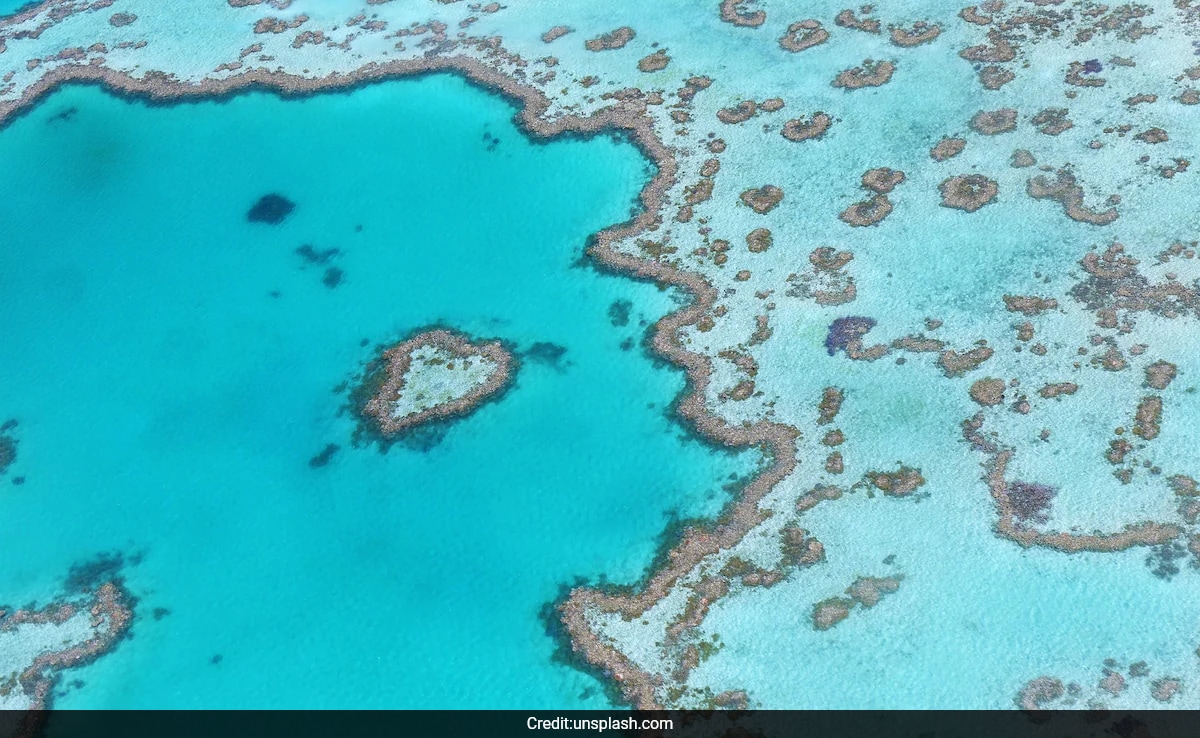
The Great Barrier Reef is usually associated with postcard-perfect turquoise water and vibrant coral. Today, it's the site of a horrific tragedy. A 39-year-old man died Sunday afternoon after a brutal shark encounter at Kennedy Shoal, a remote and shallow reef section located about 45 kilometers off the coast of north Queensland.
This marks the second fatal shark attack in Australia this month. It blows a massive hole in the comforting statistic we hear every year that these incidents are just freak, one-off occurrences. If you dive, fish, or swim in Australian waters, things feel distinctly different right now.
Here is what went down. The victim was part of a four-person group that tracked out to the remote reef on a seven-meter boat. Queensland Police Service Inspector Elaine Burns confirmed the man was spearfishing when the predator struck. He suffered a catastrophic head injury.
Another person in the water managed to haul him back onto the vessel, but they were miles from help. It took over an hour for the boat to race back to the mainland boat ramp. By the time emergency services met them, it was too late. He was gone.
The Grim Pattern Hiding in the Numbers
When events like this happen, tracking data helps separate panic from reality. The Taronga Conservation Society keeps a meticulous log of these events. Australia sees roughly 20 shark encounters a year. Most aren't fatal. But May 2026 is defying the averages.
Just eight days earlier, on May 16, a 38-year-old named Steven Mattaboni was killed by a four-meter great white shark while spearfishing off Rottnest Island in Western Australia. Two deaths on opposite sides of the continent in just over a week have put ocean users on high alert.
It gets weirder when you look at the broader timeline. Back in January, officials closed dozens of beaches along the east coast, including major spots around Sydney, after four separate shark bites occurred in just 48 hours.
The common denominator back then was heavy summer rain. Flash floods dumped torrents of murky water into the ocean, bringing influxes of nutrients that attract baitfish and the apex predators hunting them. Muddy water also kills a shark's visual clarity, leading to identity mistakes where a human leg looks a lot like a distressed fish.
Spearfishing and the Dinner Bell Effect
We don't know the exact shark species involved in Sunday's attack yet. Authorities are still investigating. But the location and the activity tell a huge part of the story.
Kennedy Shoal sits right between Cairns and Townsville. It is prime territory for bull sharks and tiger sharks. These species are aggressive, shallow-water hunters.
Spearfishing changes the dynamic entirely. When you spear a fish, the animal transmits low-frequency distress vibrations through the water column. Sharks can feel these vibrations from hundreds of meters away using their lateral line system.
Then comes the blood. In a vast ocean, a bleeding, thrashing fish is a massive neon sign that says free dinner. Experts have long warned that spearfishing carries a much higher risk profile than scuba diving or surfing because you are actively competing with sharks for food.
Shark Mitigation Systems Facing Intense Scrutiny
Tragedies like this immediately reignite the fierce political debate surrounding shark nets and drum lines. Queensland uses a mix of drum lines and traditional nets to protect swimmers, but these lines don't reach out 45 kilometers to places like Kennedy Shoal.
Many marine biologists argue that traditional shark nets offer a false sense of security anyway. They don't create an impenetrable wall; they just sit in the water and catch marine life indiscriminately. In fact, a huge percentage of sharks caught in nets are trapped on the beach side, meaning they had already swum past the net before getting tangled.
The shift is moving toward smart tech. Smart drum lines send an immediate alert to marine contractors when a shark takes the bait, allowing them to tag and release the animal further out to sea.
There is also a massive push for personal responsibility. If you swim or dive in high-risk zones, relying on the government to protect you is a bad strategy.
How to Protect Yourself in High Risk Waters
You can never eliminate risk in the ocean. It's their home, not ours. But you can stack the odds in your favor.
First, ditch the dawn and dusk swims. These are peak hunting hours for large predators who use the low light to ambush prey.
Second, avoid river mouths and murky water, especially after heavy rainfall. If you can't see your feet in the water, you shouldn't be swimming there.
Third, invest in personal deterrent tech. Independent testing from places like Flinders University shows that electronic deterrent devices, which emit an uncomfortable electromagnetic field around the user, genuinely work to turn away curious sharks. They aren't 100% foolproof, but they offer an extra layer of defense when you are operating in deep water or spearfishing.
Keep a medical tourniquet on your boat and know how to use it. In almost every fatal encounter, the cause of death is rapid blood loss from a limb injury. Having the gear and the training to stop a major bleed within the first 60 seconds is the single most effective way to survive a worst-case scenario.
The tragedy on the Great Barrier Reef is a harsh reminder of the ocean's raw reality. Respect the water, understand the risks of your specific sport, and never dive without a partner who knows how to pull you out of danger.