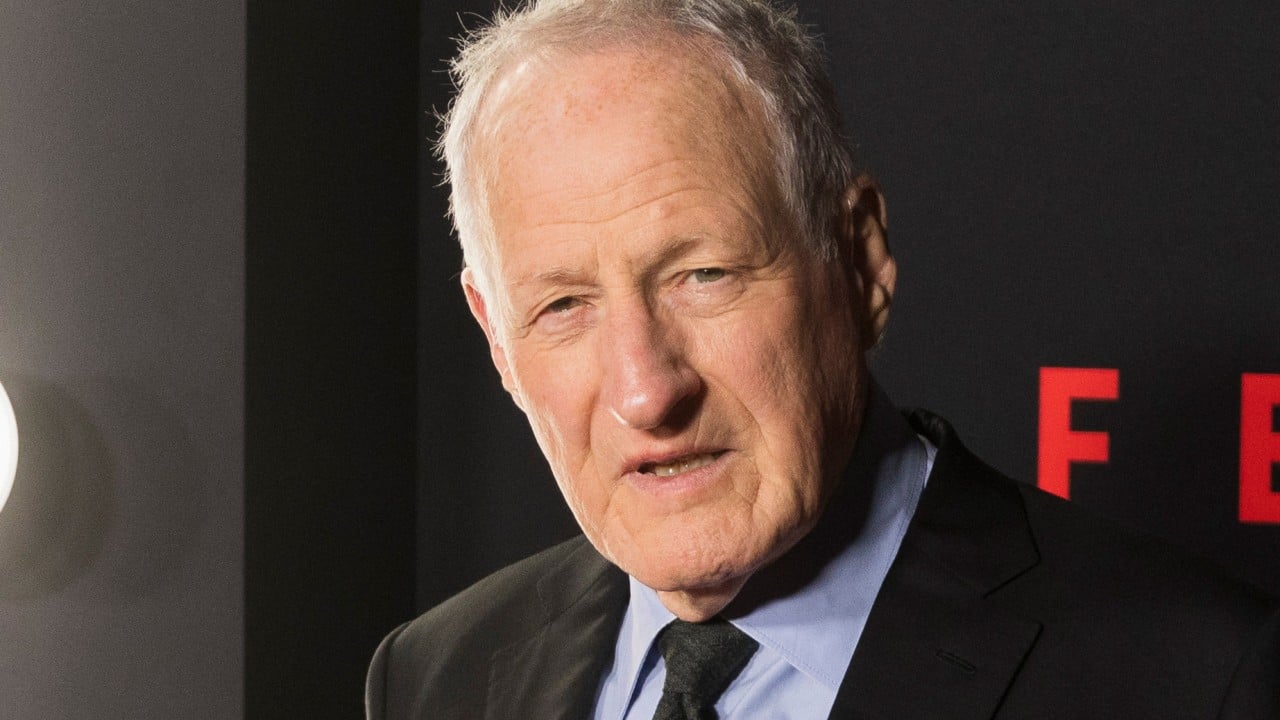
Hollywood's obsession with tactical realism has a painful history, and the story about Heat director Michael Mann accidentally shooting himself at a gun range proves that even the most obsessive researchers aren't immune to range accidents. Before you jump to conclusions, let's get the timeline and the actual facts straight. This wasn't a recent 2026 mishap, nor was it a catastrophic, career-ending tragedy. It happened years ago, involved a minor injury, and became an infamous piece of Hollywood lore precisely because of who Mann is.
If you've ever watched the downtown Los Angeles shootout in Heat, you know Mann treats firearms with an almost religious devotion to authenticity. He doesn't do standard movie gunplay. He sends actors to live-fire tactical courses with former special forces operators. He records real gunfire echoing off concrete skyscrapers instead of dropping in canned sound effects later. So when news circulated that the man behind the most realistic gunfights in cinema history had a negligent discharge at a shooting range, the irony was practically writing itself.
The Actual Incident Behind the Headlines
Let's strip away the internet exaggeration. During prep work—specifically while training and testing firearms for his film projects—Michael Mann experienced an accidental discharge at a gun range that resulted in a minor, non-life-threatening wound to his hand or leg depending on which industry retelling you hear, though accounts consistently confirm it was a grazing or flesh injury rather than anything severe.
He didn't lose a limb. He didn't halt production for months. He got treated, owned up to the mistake, and kept working.
Why did this specific story resurface and spread like wildfire across entertainment blogs? Because people love watching a perfectionist trip on their own shoelaces. Mann is legendary for controlling every millimeter of a frame. Seeing a guy who lectures actors on muzzle discipline have a slip-up at the range feels like a plot twist straight out of one of his own neo-noir scripts.
Why Rumors Twist Celebrity Range Accidents
When a vague headline like "Heat director Michael Mann accidentally shoots self at gun range" hits social media without a date or context, readers naturally assume the worst. They picture an emergency room rush from yesterday afternoon.
In reality, stories from old interviews, DVD commentary tracks, and crew memoirs get recycled constantly by content farms looking for quick clicks. A brief anecdote shared by a stunt coordinator or mentioned in passing during a retrospective suddenly gets packaged as breaking news. Once a rumor hits aggregate sites, details morph. A minor graze turns into a major hospitalization. A decades-old training mishap gets framed like it happened during pre-production on Heat 2.
Michael Mann and the Price of Extreme Realism
You can't separate this incident from how Mann operates on a film set. Most directors hand a prop gun to an actor five minutes before calling action and tell them to point it toward the camera. Mann does the exact opposite.
For Heat in 1995, he hired former British SAS operative Andy McNab and ex-Los Angeles County Sheriff's detective Mick Gould to put Al Pacino, Robert De Niro, Val Kilmer, and Tom Sizemore through grueling, live-fire tactical drills. They spent months burning through thousands of rounds of live ammunition at ranges in Southern California.
- Muscle memory over acting. Mann wanted his cast reloading, clearing malfunctions, and moving around cover without looking down at their weapons.
- Real acoustics. During the famous bank robbery sequence, production used full-load blanks so the sound would bounce off the surrounding buildings naturally, creating that terrifying, thunderous echo you hear in the theater.
- Hands-on testing. Mann doesn't just watch from behind a monitor. He gets on the line, shoots the exact platforms his characters use, and tests how different weapons handle under stress.
When you spend hundreds of hours on live ranges testing unfamiliar firearms, holsters, and custom rigs, your statistical exposure to an accident goes up. It's basic math. Someone who never touches a firearm won't have a negligent discharge. Someone who lives at the range testing exotic setups for movie authenticity eventually learns why safety rules exist in triplicate.
What Happens When Range Safety Breaks Down
Having spent plenty of time around firearms instructors and competitive shooters, I can tell you that negligent discharges rarely happen to total beginners. Beginners are terrified of the gun. They keep their finger glued straight along the frame, point the muzzle directly downrange, and move in slow motion.
Accidents almost always happen to experienced people who get comfortable, tired, or distracted.
Think about how a director works at a range. They aren't just shooting a target. They're thinking about camera angles, how a jacket drapes over a shoulder holster, how fast an actor can draw from concealment, or how a specific muzzle flash looks at dusk. That split second of divided attention is all it takes.
The Four Rules Still Apply to Hollywood Legends
Every single firearms accident comes down to violating at least one of Jeff Cooper's four fundamental rules of gun safety:
- Treat every firearm as if it is loaded. Complacency starts the second you assume a chamber is empty without physically and visually checking it twice.
- Never point the muzzle at anything you aren't willing to destroy. Even during holster draws or administrative handling, breaking the 180-degree line or sweeping your own body turns a mechanical slip into a hospital visit.
- Keep your finger off the trigger until your sights are on target. Almost every accidental discharge during a draw or re-holstering happens because a finger crept inside the trigger guard too early.
- Know your target and what is beyond it. On a controlled range, this usually means maintaining awareness of backstops, steel target distances, and ricochet angles.
When you violate rule two and rule three at the exact same moment—say, while drawing from an unfamiliar rig or adjusting a grip—the gun goes off while pointed at your own leg or hand. No amount of cinema genius changes physics.
How Film Sets Handle Firearms Differently Today
The conversation around Hollywood and gun safety changed permanently after high-profile on-set tragedies like the Rust shooting in 2021. Even though Mann's range mishap happened off-set during live-fire training rather than during filming with blanks, the entire industry has tightened its protocols.
Today, insurance companies and unions enforce strict boundaries between live-fire training and set production. Live ammunition is completely banned from sets, and off-site tactical training requires dedicated range safety officers whose sole job is watching the shooter's hands and muzzle—not framing a shot.
For Collateral, Public Enemies, and Miami Vice, Mann continued pushing actors through intense weapons training, including shooting at night on live ranges with laser sights and low-light optics. The difference is the layer of redundancy built around the talent and the director. You don't let the person creative-directing the drill also act as their own safety officer.
How to Verify Viral Hollywood Gun Rumors Yourself
Whenever you see a shocking headline about a director or actor getting injured at a gun range or on a movie set, don't take the first vague blog post at face value. Most viral entertainment stories rely on outrage or shock to get shares before anyone checks the date.
Check the publication date and look for primary sourcing. Real breaking news about a major director getting shot will have official statements from representatives, local law enforcement incident numbers, or reporting from established trade publications like Variety or The Hollywood Reporter. If an article has zero dates, no quotes from a publicist, and reads like a recycled anecdote, you're looking at old Hollywood trivia dressed up as fresh news.
Keep your finger straight and off the trigger until you're ready to shoot, double-check every chamber yourself, and verify the source before believing every dramatic headline hitting your feed.



