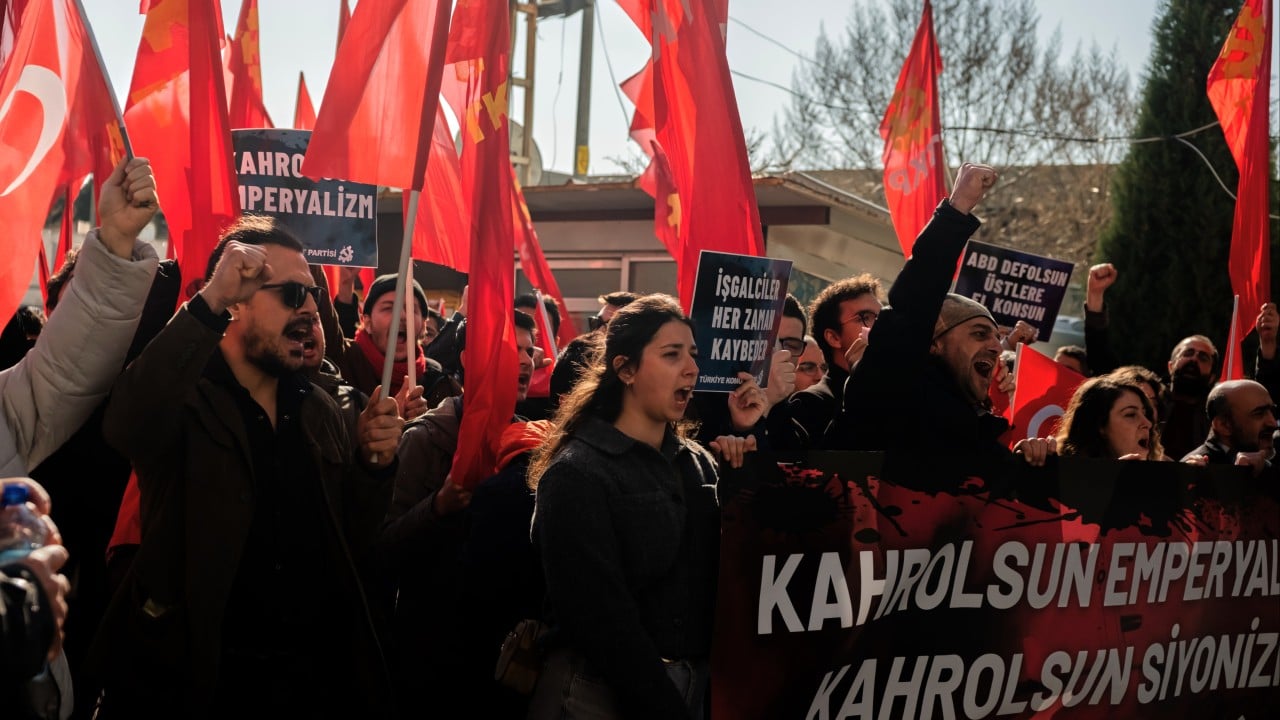
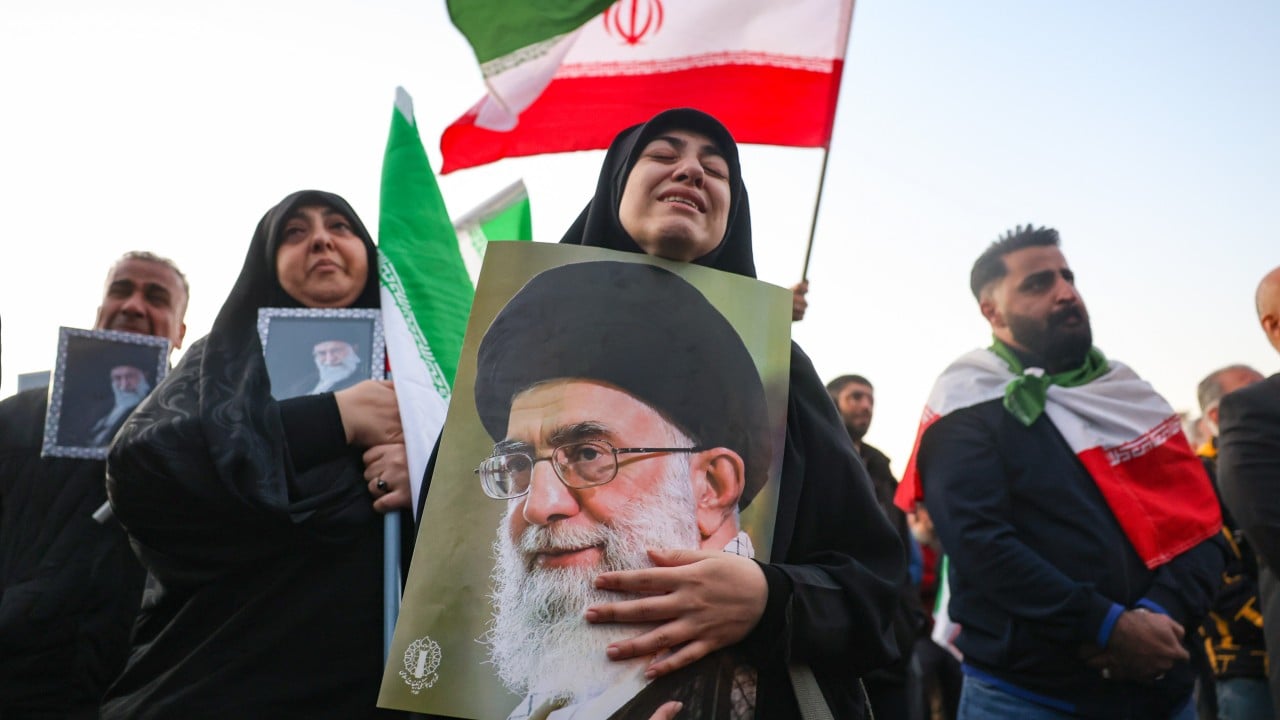
Israel just took the gloves off. For decades, the shadow war between Jerusalem and Tehran played out in the dark corners of Damascus, the shipping lanes of the Arabian Sea, or through computer viruses like Stuxnet. That era is over. The Israel Defense Forces (IDF) recently confirmed they’re hitting targets "in the heart of Tehran," a phrase that carries immense weight in a region where perception often dictates reality. This isn't just about blowing up a warehouse or a missile silo. It’s about a fundamental shift in Middle Eastern deterrence.
If you’ve been following the headlines, you know the cycle. Iran’s proxies—Hezbollah, the Houthis, Hamas—fire rockets, and Israel responds by hitting those proxies. But the "Octopus Doctrine," a term popularized by former Israeli Prime Minister Naftali Bennett, argues that it’s time to stop fighting the tentacles and start hitting the head. That’s exactly what we’re seeing now.
Why the Heart of Tehran matters more than the border
When the IDF says they're operating in the "heart" of the Iranian capital, they’re sending a message to the Islamic Revolutionary Guard Corps (IRGC) that no one is safe. Historically, Tehran felt insulated. It’s a bustling metropolis of nearly 9 million people, tucked away far from the front lines. By striking there, Israel is stripping away the regime's sense of domestic security.
It’s also about the targets. We aren't talking about random buildings. These operations focus on high-value military infrastructure, drone production facilities, and missile research centers. According to various intelligence reports and satellite imagery analyzed by groups like the Institute for Science and International Security, these sites are often integrated into or located right next to civilian areas. This makes the precision required for these strikes almost unfathomable.
Most people don't realize how difficult it is to fly a kinetic operation or a long-range drone into one of the most heavily defended airspaces in the world. Iran has invested billions in Russian-made S-300 systems and their own indigenous Bavar-373 platforms. Yet, Israel keeps finding the gaps.
The logistics of a strike 1000 miles away
Distance is the biggest enemy here. A round trip from Israel to Tehran is roughly 2,500 kilometers. That’s a massive haul for any air force. It requires mid-air refueling, electronic warfare to jam enemy radar, and stealth technology to avoid detection.
The F-35 "Adir" jets are the stars of this show. They can carry out missions that would have been suicide runs ten years ago. But it's not just about planes. Many of these "strikes" aren't missiles dropped from 30,000 feet. They’re often tactical operations carried out by agents on the ground or small, short-range drones launched from within Iran's own borders.
Think about that for a second. To launch a drone within Tehran, you need a local network. You need safe houses, logistics, and intelligence. This suggests that the Mossad and the IDF have a much deeper reach into Iranian society than the Ayatollahs want to admit. It’s a psychological blow that hurts more than the physical damage to a missile lab.
Breaking down the target list
- Drone Assembly Lines: Iran’s Shahed drones have changed the face of modern warfare, appearing everywhere from Ukraine to the Red Sea. Israel is prioritizing these factories to cut off the supply to Hezbollah.
- Ballistic Missile Labs: These are the crown jewels of the IRGC. By hitting the facilities that produce solid-fuel engines, Israel is delaying Iran’s ability to launch a massive, coordinated barrage.
- Command and Control Centers: These are the brains. Hitting these disrupts the IRGC's ability to communicate with their "Axis of Resistance" proxies across the region.
What the world gets wrong about the risk of escalation
The common refrain from analysts in Washington and London is that hitting Tehran will lead to World War III. That’s a massive oversimplification. In reality, both sides are playing a very calculated game of chess.
Iran knows that a full-scale conventional war with Israel—especially if the U.S. gets dragged in—would likely end the regime. They prefer the "gray zone." They use proxies because it gives them "plausible deniability." Israel’s new strategy is to remove that deniability. By hitting the heart of Tehran, Israel is saying, "We know it’s you, and you’re going to pay the price directly, not just through your Lebanese or Yemeni subordinates."
It’s a high-stakes gamble. If Israel hits too hard, the regime might feel forced to launch a total response to save face. If Israel hits too soft, it looks like a PR stunt. The "Goldilocks" zone of military strikes is incredibly narrow.
The internal Iranian reaction
We can't ignore what’s happening inside Iran. The country has been rocked by protests and economic instability for years. When the IDF strikes a military target in the capital, it exposes the regime’s weakness. For the average person in Tehran struggling with 40% inflation, seeing the "invincible" IRGC fail to protect its own backyard is a powerful image.
There’s a lot of chatter on Iranian social media—often via VPNs—about these strikes. Some people are terrified of war, obviously. But others see it as a sign that the regime isn't as solid as it claims. This internal pressure is a major factor in how Tehran chooses to respond. They have to weigh a counter-strike against the risk of looking even more vulnerable if that counter-strike fails or provokes a devastating follow-up.
Redefining the rules of engagement
The old rules are dead. For years, there was a "gentleman’s agreement" of sorts. Israel would hit shipments in Syria, and Iran would harass tankers in the Gulf. Occasionally, a scientist would get assassinated in Tehran, but the IDF rarely took public credit for direct military strikes on Iranian soil.
That’s gone. The IDF is being loud about this for a reason.
Publicly announcing strikes in the heart of Tehran is a form of deterrence. It’s meant to make every IRGC commander wonder if their office is next. It’s meant to tell the Iranian public that their leaders are picking a fight they can’t finish. And it’s meant to tell the international community that Israel will not wait for a "green light" from anyone when its survival is on the line.
What you should watch for next
Don't expect this to stop. As long as the regional tension remains high, the IDF will likely continue to probe and strike these high-value targets. Keep an eye on the types of weapons used. If we start seeing more sophisticated, long-range munitions being deployed openly, it means the "shadow" part of the shadow war has officially evaporated.
Watch the skies over the neighboring countries too. Jordan, Iraq, and Saudi Arabia are all in the flight path. Their reactions—or lack thereof—tell you everything you need to know about the secret alliances forming against Iranian influence in the region.
If you want to understand the modern Middle East, stop looking at the borders. Look at the capital cities. The path to peace or total war now runs directly through the streets of Tehran. You need to stay informed on the specific capabilities of the F-35 and the evolving drone tech coming out of Israel. Check the latest satellite imagery updates from independent monitors to see the actual damage. The official statements are just the tip of the iceberg.