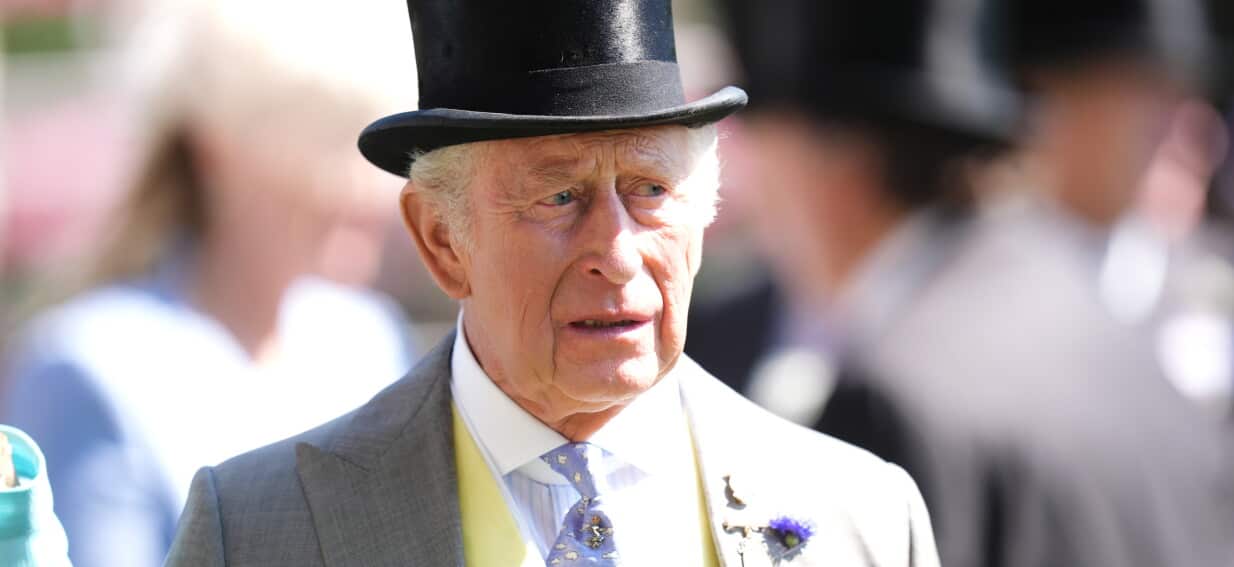
King Charles III will not move into Buckingham Palace upon the completion of its decade-long, £369 million taxpayer-funded renovation. While official statements frame the decision around ongoing construction and modernization efforts, the reality stretches far beyond mere scaffolding. The King intends to maintain Clarence House as his primary London residence, fundamentally altering centuries of royal tradition. This decision reflects a calculated shift toward a streamlined monarchy, a deep-seated personal aversion to the palace's cavernous layout, and a response to the changing expectations of the British public regarding royal properties.
For decades, Buckingham Palace stood as the undisputed headquarters of the British monarchy. It was more than a building; it was the physical manifestation of imperial scale and permanence. Yet, the current £369 million reservicing program, initiated in 2017 and slated to run until 2027, has exposed the structural and logistical nightmares hidden behind the Nash facade. The project requires entirely replacing aging electrical wiring, lead plumbing, and heating systems that have not been overhauled since the Second World War.
The Flaws of an Imperial Relic
Living in a construction zone is impractical for any head of state. However, sources close to the royal household indicate that the King’s reluctance to move in goes deeper than the dust and noise of ongoing public works.
Buckingham Palace contains 775 rooms. Maintaining a property of this magnitude requires an army of staff and millions of pounds in annual utility costs. The sheer scale creates an isolating environment. It feels less like a home and more like a vast, drafty corporate headquarters. Charles has long championed a "slimmed-down" monarchy, a concept driven partly by a desire to reduce the institution's financial burden on the British taxpayer. Remaining at Clarence House sends a clear message about efficiency.
Clarence House offers a stark contrast. It is a manageable, elegant residence that Charles has occupied since 2003. It matches his personal taste, filled with his curated art collections and surrounded by gardens he helped design. Moving to the palace means trading a highly personalized, functional home for an institutional behemoth.
The Problem of Royal Real Estate
The British royal family controls an sprawling portfolio of castles, palaces, and private estates. Balancing the preservation of these historic structures with public accountability is a constant tightrope walk.
- Windsor Castle: Serving as a weekend retreat and a fortress for official ceremonies.
- Sandringham House: The private country estate in Norfolk, favored for family gatherings.
- Balmoral Castle: The Scottish sanctuary, deeply tied to personal privacy and outdoor pursuits.
- Clarence House: The preferred London base, offering proximity to government offices without the scale of the palace.
Managing these properties involves navigating intense public scrutiny. When taxpayers fund a £369 million overhaul of a building, they expect it to be utilized for its traditional purpose. Shunning the palace as a residence risks creating a public relations disconnect, making the massive expenditure look like a costly maintenance bill for an empty museum.
Redefining the Palace Purpose
The monarchy is quietly shifting the identity of Buckingham Palace from a residential home to a dedicated administrative and ceremonial hub. This evolution mirrors how modern corporations manage historic headquarters.
By separating his private life from the official working space, the King is establishing a boundary that his predecessors never did. The palace will continue to host state banquets, diplomatic receptions, and weekly audiences with the Prime Minister. The balcony will still feature the family during national celebrations. But when the flags come down, the King returns to Clarence House.
This operational shift allows for greater public access. Plans are already underway to expand the opening hours and accessible areas of the palace gardens and state rooms. Increasing foot traffic generates revenue that can offset the astronomical maintenance costs, shifting some of the financial burden away from the Sovereign Grant. It turns a closed royal enclave into a self-sustaining cultural asset.
The Eco Friendly Monarch Dilemma
King Charles has spent fifty years campaigning for environmental sustainability. This personal ethos creates a direct conflict with the realities of inhabiting Buckingham Palace.
Even with the massive modernization effort, making an 18th-century palace energy-efficient is an uphill battle. The carbon footprint required to heat, light, and maintain the building is immense. Drafty windows, high ceilings, and vast corridors require vast amounts of energy. For a King who regularly speaks at global climate summits, living in one of the least eco-friendly residential buildings in London presents a glaring contradiction.
Clarence House, while also historic, has been retrofitted with eco-friendly technologies, including solar panels and biomass boilers, over the last two decades. It aligns far better with the King's personal brand and genuine environmental convictions.
The Public Perception Gamble
This residential choice carries significant political risk. The anti-monarchy movement in the United Kingdom frequently targets the royal family's vast property wealth as a symbol of inequality.
Critics argue that if Buckingham Palace is no longer required as a home for the monarch, its purpose must be completely reevaluated. Questions are being raised in Parliament regarding the transparency of the Sovereign Grant and the allocation of funds for buildings that serve primarily as tourist attractions or administrative offices. The monarchy must justify why the public should fund the upkeep of a 775-room palace if the King prefers the comfort of a separate four-story townhouse nearby.
The decision also sets a precedent for Prince William. The Prince and Princess of Wales currently reside at Adelaide Cottage in Windsor and maintain a base at Kensington Palace. They have shown little appetite for the grand, formal lifestyle associated with the monarchy's older estates. If Charles permanently breaks the tradition of living at Buckingham Palace, it becomes highly unlikely that William will ever move his family there. The palace's era as a living royal home may be ending entirely.
The Crown is betting that the public will accept a monarch who views his role as a job with a separate office, rather than an all-encompassing lifestyle tied to a specific piece of architecture. It is a modernization strategy disguised as a logistical necessity, turning a symbol of imperial majesty into a functional, public-facing institution.