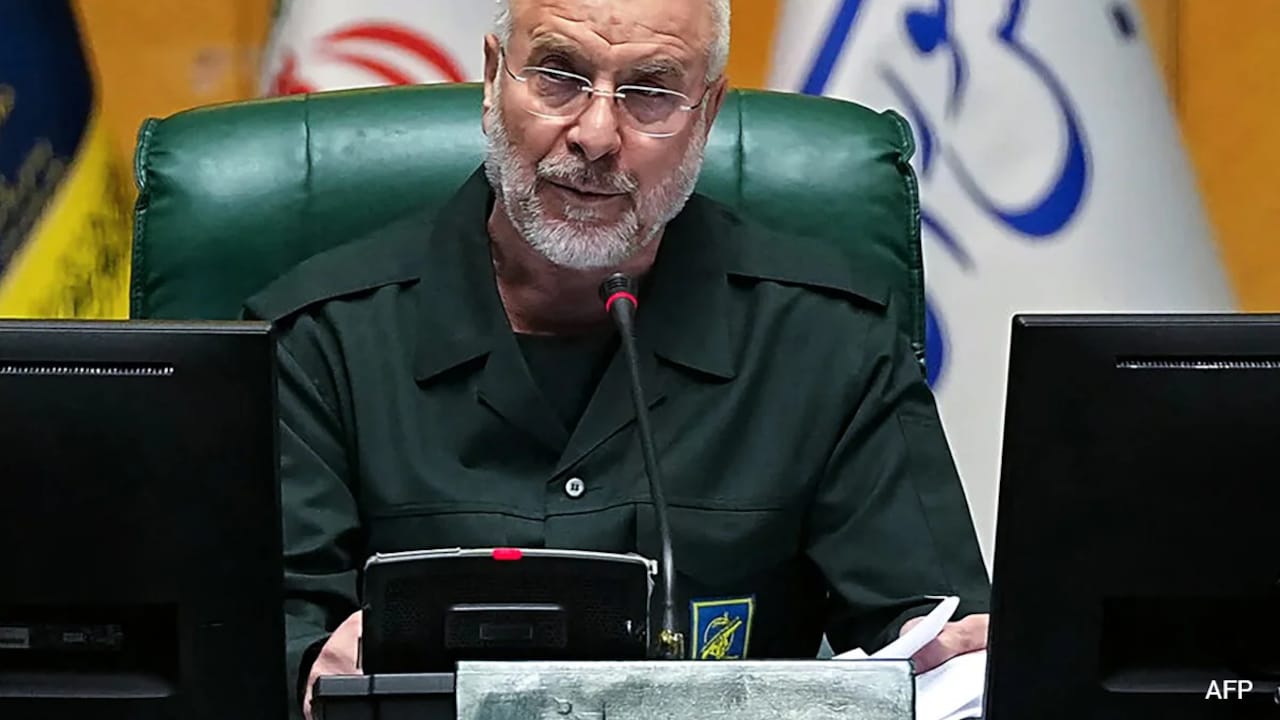
The ink is barely dry on the groundbreaking memorandum of understanding signed in France, yet the fragile diplomatic bridge between Washington and Tehran is already showing deep structural cracks. Iran’s chief negotiator and Parliament Speaker, Mohammad Bagher Ghalibaf, delivered a stark warning that any future technical negotiations remain strictly bound by Tehran’s unyielding red lines. This public posturing, combined with the sudden postponement of U.S. Vice President JD Vance’s highly anticipated trip to Switzerland for direct talks, reveals the underlying truth. The regional ceasefire and the lifting of the U.S. naval blockade are not the beginning of a grand rapprochement, but a volatile, 60-day armed truce where both sides are still looking at each other through crosshairs.
The primary query dominating western intelligence and diplomatic circles is simple: can this deal hold? The immediate answer is that while the initial mechanics of the deal—the unblocking of Iranian ports and the suspension of transit fees in the Strait of Hormuz—are being implemented, the political foundations are incredibly shaky. Ghalibaf’s aggressive rhetoric, emphasizing that Iranian "fingers are on the trigger," is a direct response to a fierce, domestic power struggle occurring within Tehran's walls.
The Internal Rift in Tehran
To understand Ghalibaf’s sudden pivot to hardline rhetoric, one must look at the fractured political map of Iran. The deal was signed on Iran's behalf by President Masoud Pezeshkian, a figure trying to balance economic survival against deep ideological resistance.
The true vulnerability of the agreement became public when Supreme Leader Ayatollah Mojtaba Khamenei admitted he approved the framework despite holding a "different view" on the matter. This highly unusual public acknowledgment of internal dissent signals to the Iranian security establishment that the executive branch is on a very short leash.
Ghalibaf is playing a calculated double game. As chief negotiator, he must keep the diplomatic track alive to lift the crushing economic weight off the state. But as a conservative political survivor, he cannot afford to look weak in front of a deeply skeptical parliament and the Islamic Revolutionary Guard Corps (IRGC), who view any compromise with Donald Trump's administration as a strategic surrender. By publicly threatening a "crushing response" to any American overreach, Ghalibaf is insulating himself from domestic accusations of treason.
The Logistical Friction in Switzerland
On the American side, the decision to delay Vice President Vance's departure for the Bürgenstock resort in Switzerland highlights how messy the technical details truly are. The White House attributed the delay to unpredictable logistics, but seasoned diplomats know that in high-stakes nuclear and regional security talks, "logistics" is often code for fundamental disagreement over the agenda.
                +-----------------------------------------+
                |    60-DAY MOUs SIGNED IN FRANCE        |
                +-----------------------------------------+
                                     |
                +--------------------+--------------------+
                |                                         |
                v                                         v
+-------------------------------+         +-------------------------------+
|       U.S. IMPLEMENTATION     |         |     IRANIAN IMPLEMENTATION    |
| - Lifted naval blockade       |         | - Free transit in Hormuz      |
| - Maintaining regional fleet  |         | - Hardline rhetoric (Trigger) |
+-------------------------------+         +-------------------------------+
                |                                         |
                +--------------------+--------------------+
                                     |
                                     v
                +-----------------------------------------+
                |      BÜRGENSTOCK TECHNICAL TALKS        |
                |   (Postponed due to agenda disputes)   |
                +-----------------------------------------+
The United States entered this 60-day window expecting a comprehensive, multi-front permanent ceasefire that includes the total disarmament or severe restriction of Hezbollah in Lebanon. President Trump explicitly signaled via social media that Washington expects a "complete ceasefire on all fronts".
Tehran views the situation through an entirely different lens. For Iran, the red line is the preservation of its regional deterrent network. Ghalibaf and Foreign Minister Abbas Araghchi are willing to discuss localized, temporary ceasefires to stop the bleeding from recent military strikes, but they will not dismantle the structural architecture of the "Axis of Resistance" just to secure short-term sanctions relief.
The Leverage Illusion
The current framework relies on a temporary exchange of leverage. The U.S. Central Command has halted its naval blockade, allowing maritime traffic to resume normal operations in Iranian ports. Simultaneously, Tehran has waived transit fees through the critical bottleneck of the Strait of Hormuz.
This creates an illusion of progress, but both actions are easily reversible. Conservative voices inside Iran's parliament are already calling for the weaponization of the Strait if the U.S. does not grant immediate, permanent economic concessions.
The 60-day clock is ticking down rapidly. If the technical talks in Switzerland cannot even find an agreed-upon starting point for the agenda, the expiration of this memorandum will likely lead to an even more explosive escalation than the hostilities that preceded it. Ghalibaf’s fiery warnings are not mere posturing for the cameras. They are an explicit reminder that Iran has built its entire security doctrine around asymmetric retaliation, and they are prepared to return to the battlefield the moment diplomacy fails to serve their core survival interests.