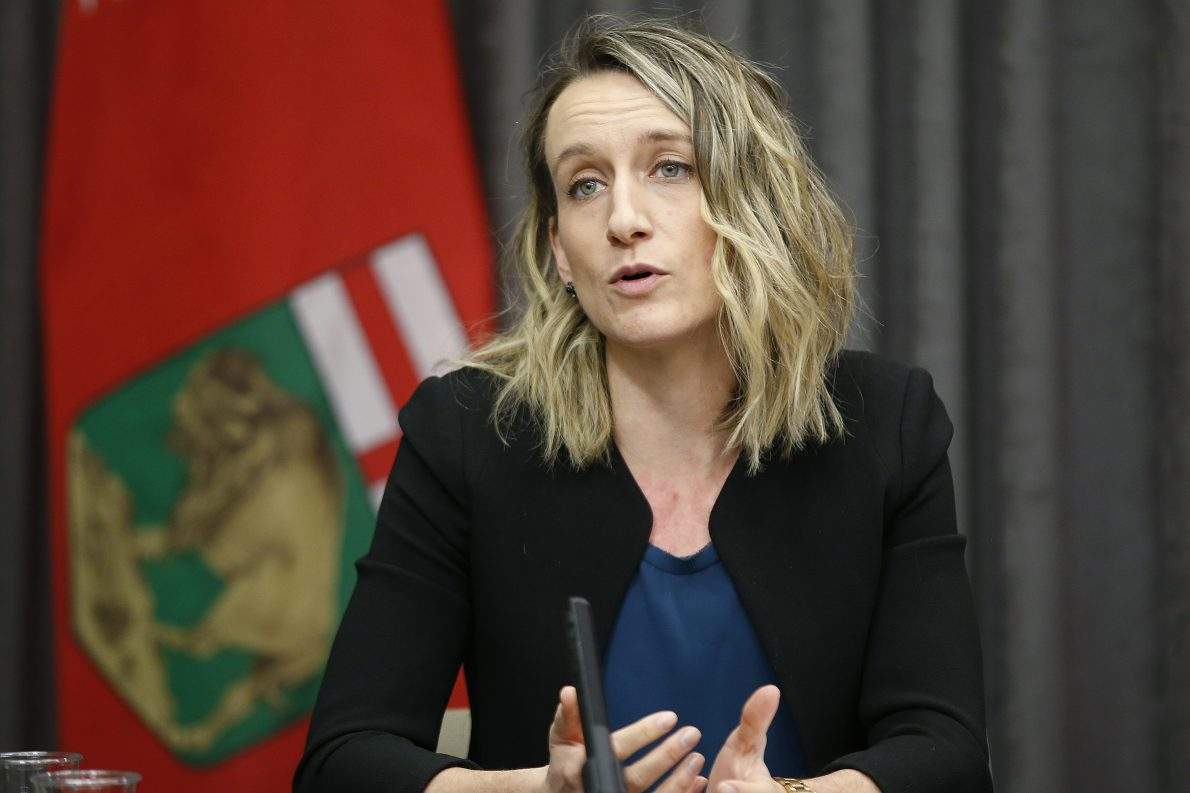
Dr. Joss Reimer, Canada’s incoming Chief Public Health Officer, is stepping into a role that has been redefined by the scars of the last six years. When she takes the helm on April 1, 2026, she will not just be managing the Public Health Agency of Canada; she will be inheriting a profound crisis of confidence. Reimer has correctly identified that restoring public trust is her primary objective. However, the path to achieving that requires more than transparent communication. It demands a fundamental shift in how federal health authorities interact with a skeptical, exhausted, and often misinformed public.
Trust did not evaporate by accident. It was chipped away by shifting mandates, perceived political interference, and the sheer speed of evolving science during the COVID-19 era. Reimer, who previously led Manitoba’s vaccine task force and served as the President of the Canadian Medical Association, knows the weight of this baggage. She has already noted that building trust will be a multi-year effort because, as she put it, "it doesn't take a lot of time to come up with a lie," but it takes an eternity to rebuild the truth.
The Misinformation Industrial Complex
The battleground for public health has moved from the laboratory to the algorithm. Reimer enters a landscape where federal health advice must compete with highly sophisticated, emotionally charged misinformation campaigns that travel faster than any government press release.
Health Minister Marjorie Michel has pointed out that Canada can no longer rely on traditional southern signals. With the current political climate in the United States leading to the defunding of key scientific institutions and the promotion of vaccine skepticism at the highest levels of American government, Canada finds itself on an island. We are now forced to build a domestic wall of scientific integrity because the "trusted neighbor" effect of the CDC and FDA has effectively vanished.
Reimer’s strategy involves "uniting efforts," but this is a difficult sell in a country where health is provincially delivered and federally messaged. The friction between these two layers often leaves Canadians confused about who is actually in charge.
Indigenous Reconciliation as a Health Standard
One of Reimer’s most significant advantages is her history with the Canadian Medical Association, where she oversaw a landmark formal apology to Indigenous Peoples for the medical profession's historical harms. This isn't just a symbolic gesture. In public health, trust is often lowest in communities that have been historically mistreated by the state.
- Data Sovereignty: Reimer has advocated for Indigenous-led data governance, ensuring communities own their health stories.
- Cultural Safety: Moving beyond "competency" to "safety," where the patient’s experience of the system defines its success.
- Local Leadership: She has emphasized that the federal government must stop acting as a top-down dictator and start acting as a partner to community leaders on the ground.
If she can translate her work with the CMA into PHAC policy, she might bridge the gap with the very populations that the system has failed most consistently.
The Resurgence of Old Enemies
While the world focuses on the next pandemic, Reimer is staring down the return of diseases we thought were settled. Measles is resurfacing. Tuberculosis remains a persistent threat in Northern communities. The illegal drug crisis continues to claim lives at a rate that dwarfs many infectious diseases.
These are not just medical failures; they are failures of public trust and social infrastructure. When a parent in a small town—like the one Reimer grew up in—refuses a measles vaccine, it is rarely because they lack access to the science. It is because they no longer believe the person delivering the science has their best interests at heart.
The incoming CPHO must address the "why" behind the hesitancy. It is a mix of economic anxiety, social isolation, and a feeling of being "left behind" by urban-centric health policies. Reimer’s background as a family physician in Manitoba gives her a perspective that her predecessor, Dr. Theresa Tam, was often accused of lacking: a connection to the rural and "middle Canada" reality.
The Policy vs. Politics Divide
The appointment of Mark Carney as Prime Minister has signaled a shift toward technocratic, data-driven governance, but this creates its own set of trust issues. To the average citizen, a "data-driven" approach can feel cold and detached. Reimer’s challenge is to humanize the data.
She is inheriting a three-year term in an era where the CPHO is no longer a faceless bureaucrat. She will be scrutinized for every recommendation on everything from avian influenza (H5N1) to the Connected Care for Canadians Act. The latter, aimed at making health records interoperable across provinces, is a double-edged sword. While it promises better care, it triggers deep-seated fears about privacy and "digital IDs."
Reimer will need to navigate the Senate and the Commons not as a politician, but as a shield. She must protect the science from being weaponized by whichever side of the aisle finds it convenient that day.
The Immediate Action Plan
Reimer’s first 100 days will likely focus on three specific areas of friction.
- H5N1 Preparedness: Ensuring the lessons of 2020 are applied to the rising threat of avian flu without triggering "lockdown fatigue" or public panic.
- Information Integrity: Establishing a more agile federal response to viral health myths that doesn't rely on slow, bureaucratic fact-checking.
- Provincial Rapprochement: Smoothing over the tensions between Ottawa and the provinces regarding the Canada Health Transfer and the modernization of health data.
Success will not be measured by the number of press conferences she holds, but by whether the average Canadian feels less anxious when the next health alert hits their phone. Reimer has the credentials, the experience of being threatened by the very public she was trying to protect, and the "calm and measured" reputation to do the job. But as she knows all too well, trust is a gift given by the public, not a right granted by an appointment.
Watch how she handles the first major vaccine-preventable outbreak of 2026. That will be the litmus test for whether her "listen and understand" approach is a genuine shift or just a new coat of paint on a crumbling institution.