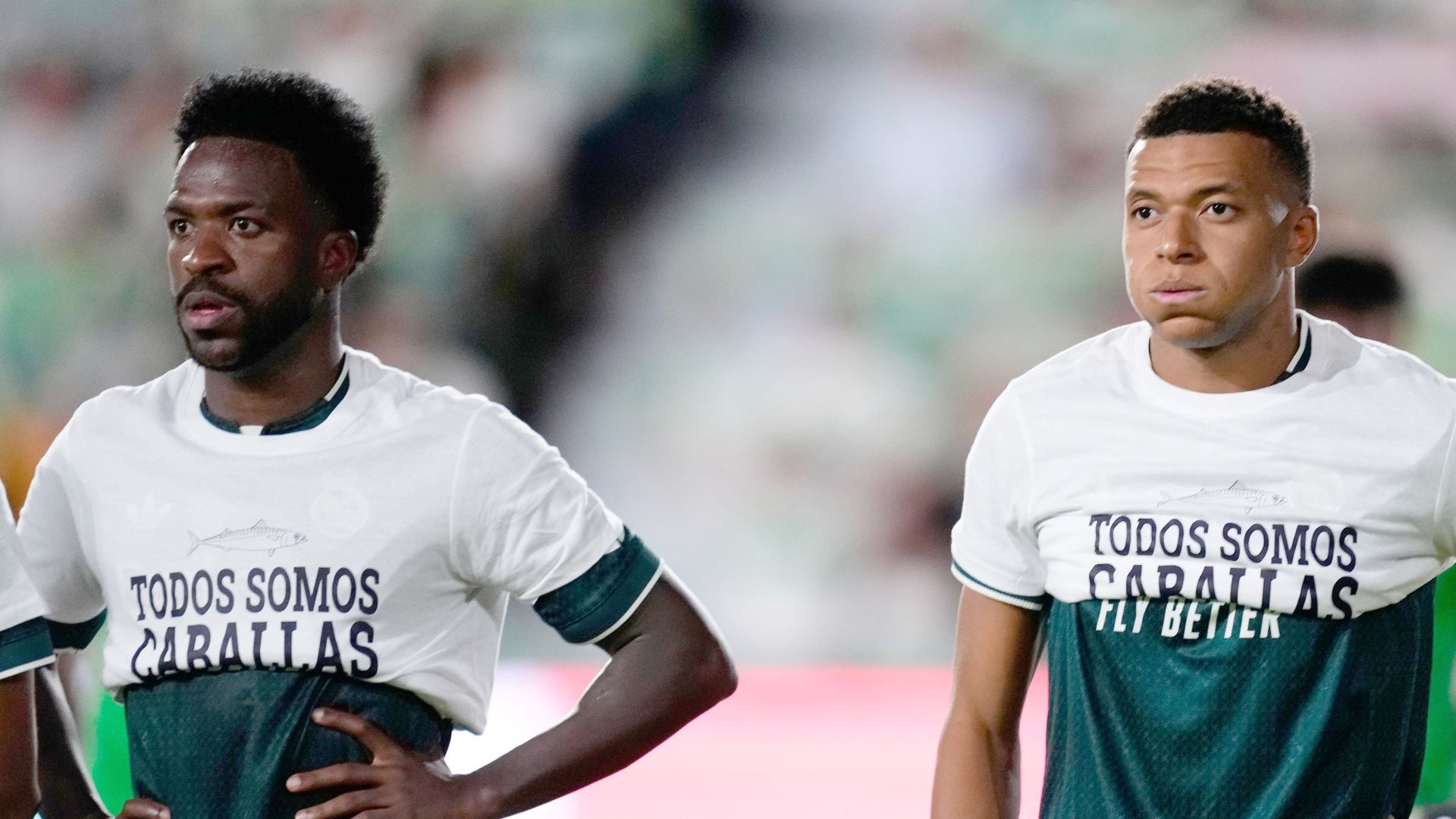
Modern football clubs treat PR crises like state secrets. Real Madrid just threw that playbook into the bin. When Kylian Mbappe and Vinicius Junior walked onto the pitch ahead of their La Liga match against Elche and deliberately obscured a pre-match solidarity message on their shirts, social media channels lit up instantly. Most sporting institutions would have panicked, issued a bland corporate apology, and forced their superstars into a staged photo-op within twenty-four hours.
Real Madrid did something entirely different. They backed their players. Meanwhile, you can find related developments here: Why People Keep Questioning Malick Yalcouyé and Why They Are Wrong.
The club made it clear through official channels that personal conviction cannot be legislated, even when players wear the famous white jersey. This moment forces us to look past the surface-level noise and examine how top-tier clubs handle the fragile intersection of athlete autonomy, social messaging, and corporate expectation.
The Anatomy of the Pre-Match Shirt Controversy
The incident kicked off around a movement designed to show support for the residents of Ceuta following heavy migration pressures at the Spanish border. A collective initiative championed by external business associations urged clubs across La Liga to wear special apparel. While many teams participated uniformly, the Real Madrid dressing room told a split story. To see the full picture, we recommend the detailed article by FOX Sports.
Mbappe, Vinicius, and teammate Ibrahima Konate adjusted their warm-up garments in a way that blocked the printed slogan from public view. Cameras caught the moment, and Spanish television pundits immediately began dissecting whether the gesture was a snub, an oversight, or a deliberate silent statement.
Instead of throwing their marquee talents under the bus, club officials stood firm on a vital principle. Real Madrid argued that participation in external social campaigns remains a personal choice. You cannot force a player to champion a cause they haven't vetted or fully understood.
The Reality of Manufactured Solidarity in Modern Sports
We live in an era where sports leagues love a good performative gesture. From pre-match banners to specialized jerseys, clubs are constantly asked to endorse political, social, and humanitarian causes. Sometimes those causes are universally uncontroversial. Other times, they touch complex geopolitical nerves where nuance gets completely lost in a ninety-minute broadcast window.
Athletes are human beings with diverse upbringings, political thoughts, and personal boundaries. When organizations mandate that every single employee must wear a specific slogan, they cross the line from genuine solidarity into forced compliance.
Real Madrid understood the trap. If they punished Mbappe or Vinicius for modifying their shirts, they would set a dangerous internal precedent. The club would essentially admit that contractual employment strips away personal conscience. By defending freedom of expression, the hierarchy at the Santiago Bernabeu protected the individual autonomy of their squad.
Why Clubs Usually Fail at Managing Player Autonomy
Most football executives are terrified of bad press. When a player steps out of line or refuses to participate in a club-sanctioned initiative, the typical response involves heavy fines and closed-door reprimands.
That old-school method is dying. Today's superstars hold unprecedented global leverage. Mbappe and Vinicius aren't just employees; they are global media brands with immense cultural influence. Trying to bully players into displaying messages they didn't agree to wear creates deep resentment behind closed doors.
Real Madrid's handling of the Elche pre-match incident offers a masterclass in crisis management through absolute candor. They didn't invent excuses. They didn't claim the shirts were folded incorrectly by accident. They simply stated that players retain the right to their own perspectives.
The Broader Impact on La Liga Locker Rooms
This single event has already changed how other clubs view mandatory pre-match displays. When peer pressure drives uniform action across a league, individuality vanishes. We saw similar debates flare up when other players across European leagues questioned specific thematic weekends or campaign badges.
Athletes are increasingly realizing that silence or subtle resistance is safer than participating in campaigns they feel ambivalent about. The response from Madrid gives other professionals a blueprint for managing unwanted institutional pressure. You can respect a community's struggles while refusing to act as a billboard for an association's talking points.
Football thrives on authenticity. Fans want to watch players who care deeply about what they do on the pitch, not robots programmed to hold up banners they never read. By protecting their stars' right to choose, Real Madrid preserved a rare sense of genuine human agency in a game that often feels entirely corporate.