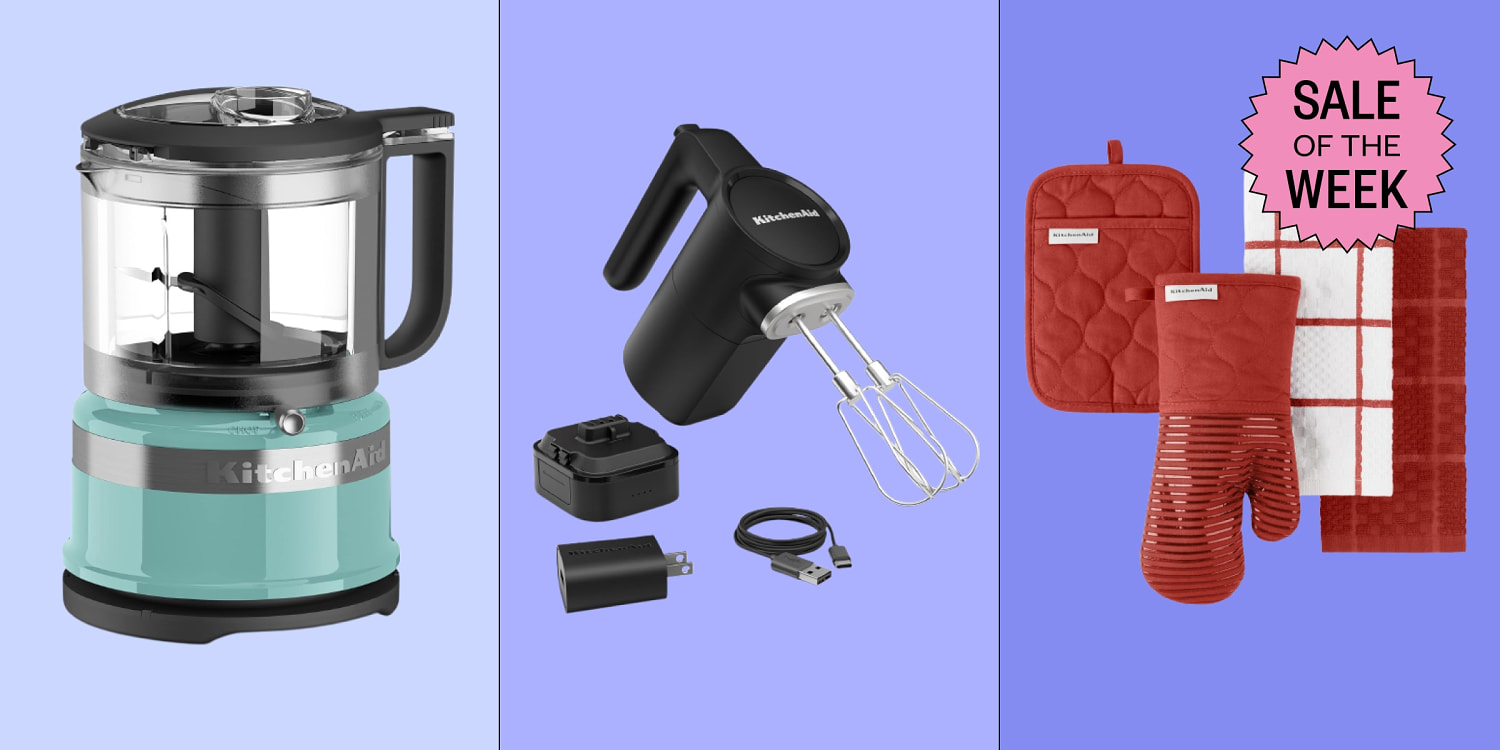
When a prestige brand slashes prices by more than sixty percent on a global retail platform, shoppers see a rare stroke of luck. Look beneath the surface of the current Amazon markdowns on KitchenAid appliances, and a different story emerges. This is not a generous holiday promotion or a quirk of automated inventory adjustments. This is a symptom of severe oversupply, changing household budgets, and the quiet erosion of pricing discipline among legacy manufacturers.
For decades, KitchenAid stood as a fortress of kitchen permanence. The heavy cast-iron stand mixer sat on countertops as a status symbol, an investment piece expected to outlast its owner. Products built on multi-decade durability do not typically end up in eighty-dollar clearance bins. Yet the platform currently features sweeping price cuts spanning blenders, food processors, hand mixers, and attachments, dropping entire lines to fractions of their original retail value.
The Anatomy of an Inventory Glut
To understand how an iconic brand reaches this point, you have to trace the supply chain decisions made years prior. During the pandemic-era consumption surge, manufacturing plants ran around the clock to meet an insatiable demand for home baking equipment. Corporations projected that domestic lifestyle changes were permanent. They scaled production capacity upward, signing long-term supplier agreements and filling cargo containers with kitchenware designed for an economy that no longer exists.
When consumer spending abruptly pivoted toward travel, experiences, and essential survival costs under the weight of inflation, that inventory had nowhere to go. Warehouses filled up. Storage fees compounded daily. At a certain point, holding onto physical stock becomes more expensive than selling it at a heavy loss. Third-party liquidators and platform-driven automated markdowns stepped into the void, turning high-end kitchen appliances into commoditized surplus.
The friction between modern retail algorithms and traditional brand management creates unique vulnerabilities. Legacy manufacturers spent a century cultivating an aura of exclusivity through authorized dealer networks and controlled price minimums. Amazon operates on a different logic entirely. The platform prioritizes velocity over prestige. If inventory sits idle, automated pricing engines push numbers downward until items move, regardless of the psychological damage inflicted on the brand's premium standing.
Corporate Parent Pressures and Balance Sheet Realities
Behind every mass-market price collapse lies a corporate parent wrestling with quarterly earnings reports. Whirlpool, the multinational conglomerate that owns the KitchenAid brand, faces intense pressure from institutional investors to maintain high inventory turnover ratios. When appliances sit in regional distribution centers accumulating overhead costs, balance sheets suffer.
Executive leadership often faces a stark choice. They can either throttle factory output and accept painful production slowdowns, or they can offload excess units through digital retail channels at steep discounts to generate immediate cash flow. Opting for mass liquidation keeps factories humming at lower utilization rates while clearing physical space for next-generation product lines.
However, this strategy introduces long-term brand decay. When a premium product becomes permanently associated with deep digital discounts, buyers hesitate to pay full price ever again. The baseline expectation shifts. Future product rollouts face immediate resistance if consumers know that waiting six months will yield a fifty or sixty percent markdown on the same hardware.
Manufacturing Realities Behind the Price Slash
Consider what happens to consumer perception when a three-hundred-dollar appliance routinely sells for ninety dollars. The initial reaction is delight. The long-term reaction is skepticism. Buyers begin to question the actual manufacturing cost. If a company can survive a sixty-five percent margin slash and still clear a profit or at least stem financial bleeding, the original price tag feels arbitrary, if not entirely fraudulent.
Manufacturing adjustments also play a role in this discounting cycle. Over the past decade, cost-optimization pressures forced subtle shifts in production methods. Plastic internal gears replaced metal components in certain mid-tier lines. Lighter housing materials found their way into units designed to mimic vintage heavy-duty standards. While the exterior silhouette remained identical to the classic models of the nineteen-nineties, the internal engineering evolved to meet margin targets. When production costs drop, companies gain the mathematical flexibility to absorb deep discounts during inventory crunches without collapsing completely.
Retailers understand this dynamic well. They know that bargain hunters drawn in by a steeply discounted mixer will inevitably add higher-margin accessories, silicone spatulas, and specialized bowls to their digital carts. The discount acts as a loss leader, masking the broader stagnation in kitchenware sales. It pulls cash flow through stagnant supply lines and injects immediate liquidity into corporate accounts that desperately need to clear warehouse space for next year's model revisions.
The Demise of Local Retail Ecosystems
Independent kitchenware retailers watch these platform-wide sales with quiet alarm. Local boutique shops cannot compete with warehouse-level liquidation pricing. When consumers realize they can buy flagship equipment online for a fraction of the manufacturer's suggested retail price, downtown specialty shops lose their remaining competitive edge. The ecosystem shifts entirely toward centralized logistics hubs, concentrating retail power further into the hands of a single dominant platform.
Consumers win in the short term by securing luxury hardware at discount prices. The broader retail ecosystem pays a heavy price. When an iconic brand allows its pricing floor to drop by two-thirds, the psychological anchor of quality fractures. People stop viewing the product as an heirloom investment and start treating it as disposable consumer electronics subject to seasonal clearance cycles.
The sixty-five percent discount on kitchen hardware is a warning shot for the durable goods sector. It proves that even the most trusted household names are vulnerable to miscalculated forecasting and platform pricing pressures. When physical goods sit stranded in distribution centers, the illusion of eternal brand immunity shatters.
The inventory must move. The price tags drop. And the kitchen counter becomes a monument to a shifting economic reality where permanence is priced to clear.