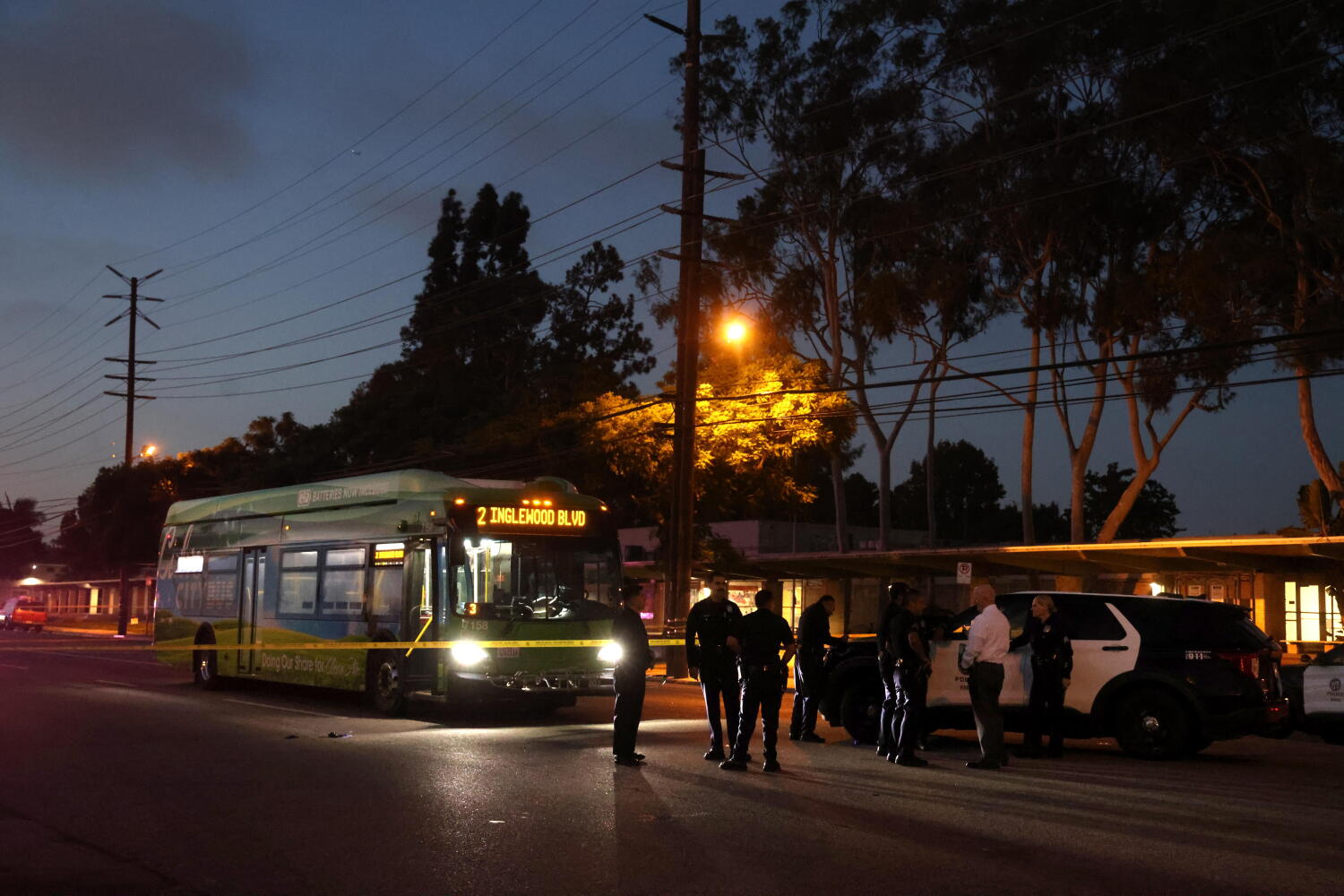
Driving a city bus is supposed to be a routine public service job, but for 42-year-old Bruce Rodriguez, it turned into a fatal encounter over a basic safety rule. When a passenger demanded an unauthorized stop in heavy traffic along South Centinela Avenue, Rodriguez followed protocol and refused to pull over in the middle of the road. That split-second professional choice cost him his life.
The tragic October 1 shooting in the Mar Vista area highlights an escalating crisis facing transit operators across urban centers. Public transit drivers navigate dangerous conditions daily, often isolated behind fragile partitions while managing volatile individuals. Prosecutors later charged 55-year-old Jose Antonio Zayas with murder and being a felon in possession of a firearm, noting that the suspect opened fire after the driver stated he could not stop.
What Happened on That Culver CityBus
The timeline laid out by the Los Angeles County District Attorney's office reveals a terrifying escalation. Around 5:00 p.m., Zayas boarded the Culver CityBus. He approached Rodriguez, initially demanding that the bus be turned around or stopped outside of a designated transit stop.
Because of heavy traffic and standard municipal transit regulations, Rodriguez explained that he could not simply let passengers out wherever they pleased. Instead of accepting transit rules, the suspect allegedly pulled a handgun and shot Rodriguez multiple times while he sat at the wheel. Zayas then grabbed his bicycle from the front rack of the bus and fled the scene.
Law enforcement agencies tracked down the suspect the following day in the Palms neighborhood near Motor Avenue, arresting him following a swift manhunt. Zayas is currently being held without bail and faces up to life in prison without the possibility of parole if convicted on the special circumstance allegations.
The Human Toll Behind the Headlines
While legal proceedings move through the Foltz Criminal Justice Center, the local transit community and a grieving family are left picking up the pieces. Rodriguez was a 12-year veteran of the Culver City transit system. Coworkers and passengers remember him fondly, noting his habit of handing out Hot Wheels toy cars to young children riding his route.
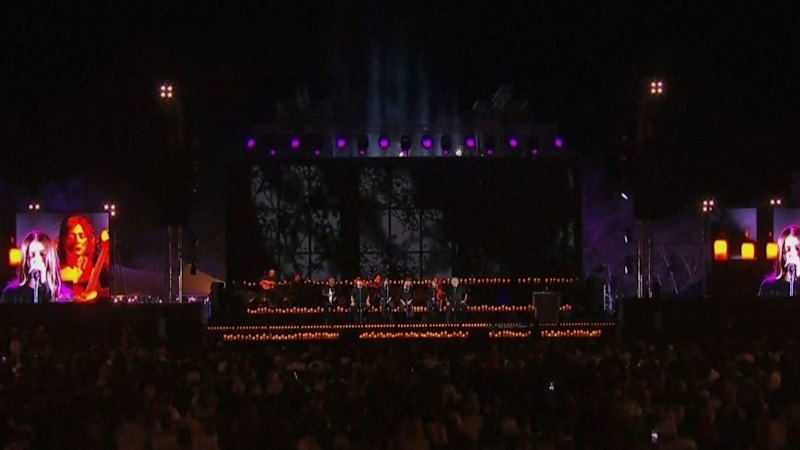
He leaves behind his wife, Sandy Sanchez, and two young sons aged three years and six months old. During community vigils, family members emphasized how hard Rodriguez worked to support his household, putting in long hours serving the public. The tragedy forced Culver City officials to temporarily suspend transit operations to allow grieving operators time to process the trauma.
Protecting Transit Workers Moving Forward
Incidents like this raise hard questions about operator safety. Bus drivers across the country face verbal harassment and physical assault with alarming regularity. Transit agencies are under intense pressure to upgrade driver safety barriers, improve emergency response silent alarms, and increase law enforcement presence on municipal routes.
When frontline workers become targets simply for doing their jobs, the entire transit system breaks down. Protecting operators requires structural changes that prioritize driver security over convenience, ensuring that no worker has to choose between enforcing safety rules and surviving their shift.
Man charged in murder of Culver City bus driver
This news report covers the formal murder charges filed against the suspect and details the police investigation into the shooting of the Culver City bus driver.