Fluorescent lights hum above a row of folding tables in a windowless basement room, where a twenty-four-year-old staffer is taping a laminated map to drywall with painter’s tape. Outside, November wind rattles the tall glass panes of the House office buildings, carrying the sharp chill of an early Washington winter and the faint, metallic clatter of street sweepers on Independence Avenue. Inside, nobody is looking at the weather. They are looking at lines. Thin, jagged, colored lines drawn over county boundaries, zip codes, and neighborhoods where people buy groceries, drop off kids at soccer practice, and argue over property taxes at kitchen tables.
Shift.
That is the word veterans of the Capitol use when the ground beneath their shoes starts moving without an earthquake. For decades, the United States House of Representatives operated with a rhythm that felt almost inherited—like an old grandfather clock in a quiet hallway. You knew who held the gavel, roughly where the center of gravity sat, and how a bill moved from a committee hearing room to the floor. You knew the rules of the room even when you hated the outcome.
Then the clock started ticking differently.
To understand what is happening inside the House right now, you have to stop staring at cable-news chyrons and start paying attention to incentives, maps, and human exhaustion. Politics desks love to treat congressional shifts like sports scores—who’s up by three, who’s retiring, who raised another million dollars before midnight. Numbers are easy to print. They fit neatly into boxes. Yet numbers rarely explain why a lifelong moderate suddenly refuses to sign a discharge petition, or why a district that voted one way for thirty years starts splitting its ticket in ways that baffle both parties’ strategists.
Confession time. Even people who spend their lives tracking Capitol Hill get whiplash trying to keep up with how fast the coalitional math has been bending. When a majority is razor-thin, every single member becomes a hinge. A single retirement, a single special election delay, a single personal grievance over a committee seat can turn a routine procedural vote into a three-day standoff that leaves staffers sleeping on couches in cramped offices with coffee cups stacked like chess pieces.
Let’s introduce a hypothetical character to ground this in daily reality—clearly fictional, though stitched together from dozens of real conversations near the Rayburn and Longworth buildings over the past few cycles. Call her Maya. Maya is a legislative director for a second-term representative from a sprawling suburban-meets-exurban district where strip malls give way to horse farms and commuter rail stops. Three years ago, Maya’s boss could predict eighty percent of the floor schedule on a Monday morning and spend the rest of the week meeting constituents who wanted help with passport renewals, veterans’ benefits, or grant letters for local fire departments.
Last spring, Maya’s Monday mornings dissolved. A small faction on one flank threatened to tank a funding bill over a policy rider that had nothing to do with their districts. A handful of centrist members on the other flank warned they would walk away if certain spending targets were breached. Meanwhile, back home, voters in Maya’s district were furious about housing costs and utility bills, largely indifferent to the procedural warfare happening in the chamber’s well, yet quick to punish anyone who looked paralyzed.
Maya sat in a cramped hallway outside a closed-door caucus meeting, her phone buzzing with texts from county chairs, lobbyists, and reporters, watching her boss try to hold together a coalition that felt less like a disciplined army and more like passengers on a raft in whitewater. Everybody is paddling. Nobody agrees on which rock to miss.
When Maps Stop Matching Memories
Political shifts rarely begin on the House floor. They begin in bedrooms, school gyms, and county clerks’ offices, years before a roll-call vote registers the tremor.
Think of a congressional district as a living neighborhood rather than a polygon on a screen. For a long time, American political geography leaned on durable sorting: industrial cities tilted one way, leafy suburbs tilted another, rural counties held steady. Those lines still matter—nobody with a working brain ignores urban-rural divides—but they no longer tell the whole story. Suburban voters have fractured along lines of education, commute patterns, and cultural priorities. Exurban counties have grown fast enough to pull new voters into old seats, changing the local weather while the incumbent still tries to speak the dialect of ten years ago.
Consider what happens next: a member who built a career on predictable local bargains suddenly finds that the coalition that sent them to Washington no longer exists in the same shape. Perhaps younger voters moved in for cheaper housing and brought different expectations about healthcare and climate. Perhaps older retirees moved in seeking lower taxes and quieter streets. The representative stands at the podium giving the same speech that worked in 2016, wondering why the applause sounds thinner.
This is a metaphor, worth saying plainly: a politician trying to navigate a shifting electorate with an outdated map is like a captain steering by lighthouse bearings from a harbor that has been dredged and reshaped by storms. The water looks familiar from a distance. The shoals are somewhere new.
And the pressure compounds inside the institution itself. When margins in the House are narrow—sometimes separated by a handful of seats—power disperses in strange ways. Leadership still holds levers: control of the calendar, committee assignments, fundraising networks, and media amplification. Yet narrow majorities hand disproportionate leverage to small blocs and individual members willing to take political risks that safer incumbents wouldn’t touch.
A single vote becomes a currency.
In a wide majority, a member from a swing district might be given a "hall pass" on a controversial vote so they can survive back home while leadership still passes the bill with votes to spare. In a razor-thin majority, hall passes evaporate. Every vote counts. Every defection hurts. The tension between surviving a tough general election and keeping a fragile majority intact turns routine governance into a high-wire act without a net.
The Invisible Labor Behind Every Gavel
Most people who watch C-SPAN see the theater: the gavel coming down, the five-minute speeches to an almost empty chamber, the partisan jabs that get clipped for social media before the member even walks back to their office.
They don’t see the grinding, unglamorous mechanics that keep the House functioning—or stalling.
Behind every headline about House leadership battles or committee shakeups is a quiet army of clerks, parliamentarians, counsel staff, and press aides who keep track of thousands of pages of legislative text, amendments, and rules precedents. When the House enters a period of rapid realignment—where factions form and fracture faster than old alliances can harden—those behind-the-scenes gears take a beating.
Bills get drafted on tighter timelines. Amendments fly late at night. Staffers burn out at rates that have long worried institutionalists across the political spectrum. If you have ever stood in a Capitol hallway at nine o’clock on a Thursday night, smelling stale takeout and hearing the low murmur of exhausted twenty-somethings debating whether a flight out of Reagan National is still boarding, you feel the human weight of the institution. It isn’t glamorous. It’s grueling.
And there is a deeper shift happening in how members relate to the institution itself. Historically, rising through the House meant putting in time—learning committee jurisdiction, building relationships across the aisle or within your own caucus, waiting your turn for seniority to ripen. Many members still value institutional craft and policy depth. Yet modern politics rewards nationalized messaging, rapid-response media, and ideological purity tests over slow legislative horse-trading.
When short-term media attention pays better than long-term legislative compromise, the incentives inside the House tilt sharply. Even lawmakers who privately want to solve problems—whether fixing permitting bottlenecks, addressing border enforcement, or reforming healthcare billing—often worry that a visible compromise will trigger a primary challenge before the next election cycle even hits full stride.
That fear is real. You don’t have to sympathize with a politician’s rhetoric to understand the psychology of self-preservation. Most people in high-stakes jobs become hyper-attuned to whatever threatens their survival first. In Washington, the primary election often casts a longer shadow than the general election.
Why Voters Feel the Ripple Effects
Why should someone sitting in a coffee shop in Ohio, a diner in Arizona, or an apartment in New York care about internal shifts in the U.S. House of Representatives?
Because the House is the chamber closest to the people, elected every two years, holding the power of the purse and the first word on major federal spending and policy. When the House is fractured or constantly resetting its internal balance, the consequences don’t stay trapped inside the marble corridors of Capitol Hill. They show up in delayed federal grants for local bridges, uncertain timelines for small-business programs, stalled tax provisions, and a general sense that government can’t finish a sentence before starting another argument.
Let’s return to Maya, our fictional legislative director, and trace a single policy ripple. Her boss wanted to co-sponsor a bipartisan bill to streamline workforce training grants for community colleges in regions losing manufacturing jobs. Good local politics. Practical policy. Yet leadership delayed bringing related bills to the floor while trying to resolve an internal dispute over spending caps. Weeks turned into months. A local community college dean called Maya’s office asking whether the funding framework would be ready before the next academic planning cycle.
Maya didn’t have a clean answer. Nobody in the office did.
That uncertainty is the quiet tax paid by everyday citizens when institutional alignment is in flux. Laws aren’t just ink on paper; they are schedules, budgets, hiring plans, and expectations that families and businesses build their lives around. When the House struggles to find durable majorities for routine governance, predictability becomes scarce.
At the same time, it would be a mistake to paint the House as purely broken or static. Institutions adapt—sometimes clumsily, sometimes painfully, sometimes through pressure voters exert at the ballot box. New generations of lawmakers bring fresh perspectives on technology, economic pressures, and local needs. Competitive districts force candidates to speak to persuadable voters who refuse to fit neatly into talking points. Even fierce ideological clashes reflect real, unresolved disagreements in the country about what the federal government owes its citizens and what it should leave alone.
Democracy has never been a quiet library. It has always been a noisy town square where people with conflicting values try to share one roof.
Reading Between the Roll Calls
Next time you see a headline about turmoil, realignment, or shifting power in the House, try looking past the loudest voices on television.
Look at who is retiring and why. Look at which committee chairs are pushing back against top-down orders. Look at which districts are swinging and what economic pressures—housing, childcare, energy, wages—are driving restless voters toward or away from both parties. Look at how often the House relies on short-term stopgap measures instead of regular order, and ask who benefits from chaos versus who pays for delay.
The House isn’t changing in a vacuum. It is a mirror—sometimes warped, sometimes cracked, always revealing—of a country figuring out what it wants next.
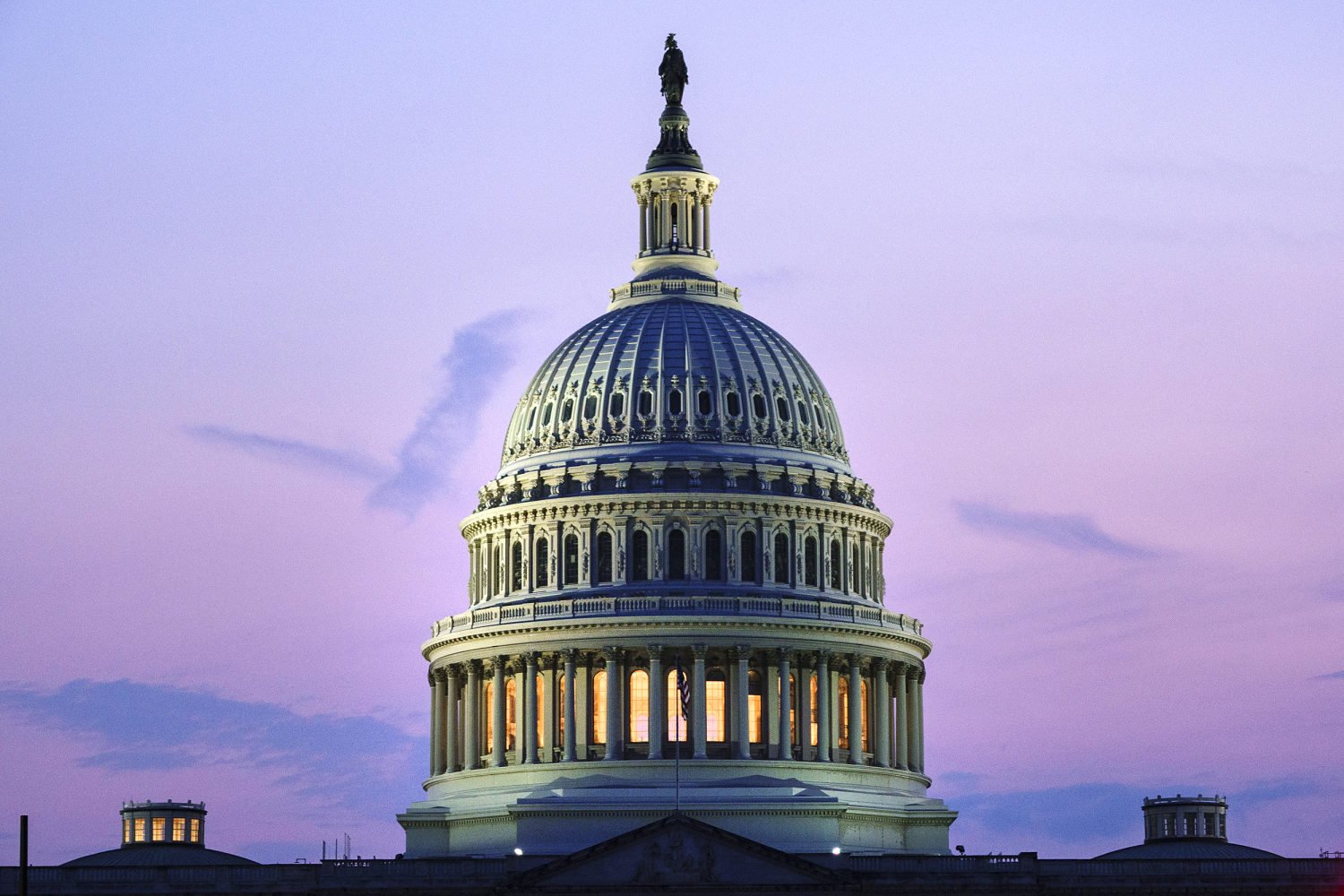
Out on the steps of the Capitol, the wind keeps blowing off the river, carrying dry leaves across the stone plaza while tourists snap photos and interns hurry toward their next briefing with clipboards tucked under their arms. Inside, behind heavy oak doors, another vote bell rings, summoning members back to the floor to register their names on a board that lights up green, red, or amber in seconds—leaving the harder work of living with the consequences to begin all over again.