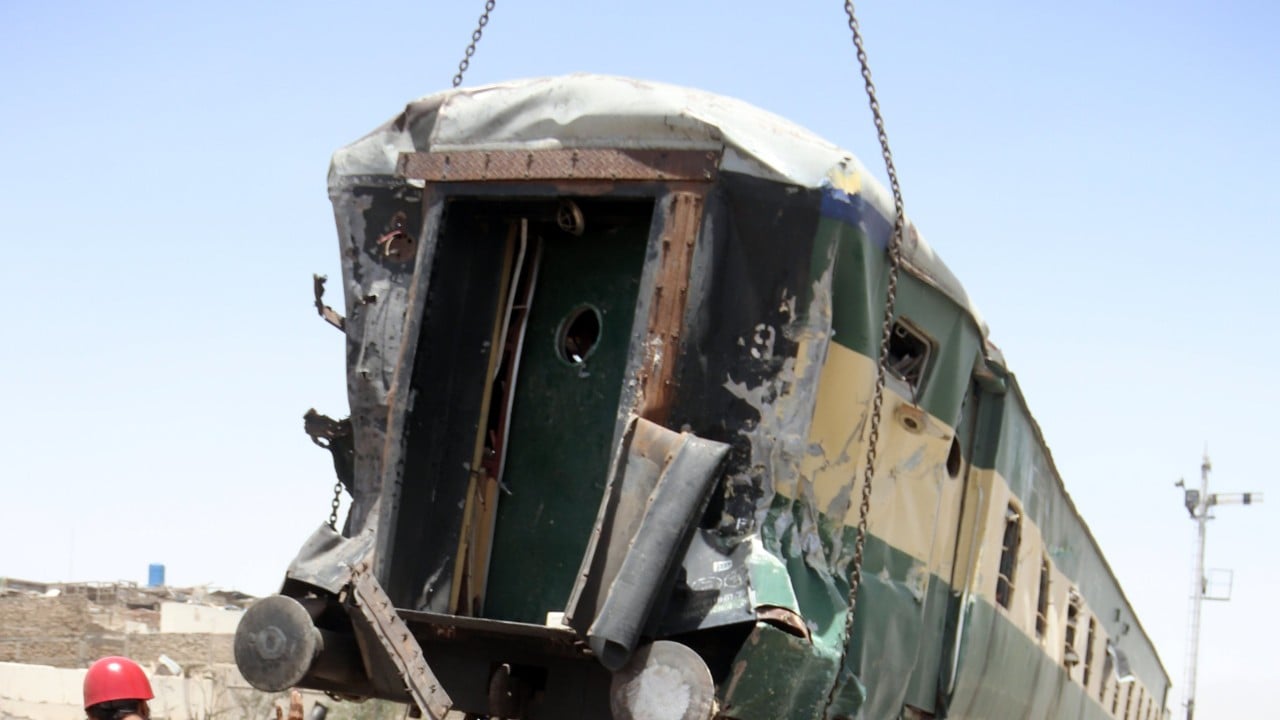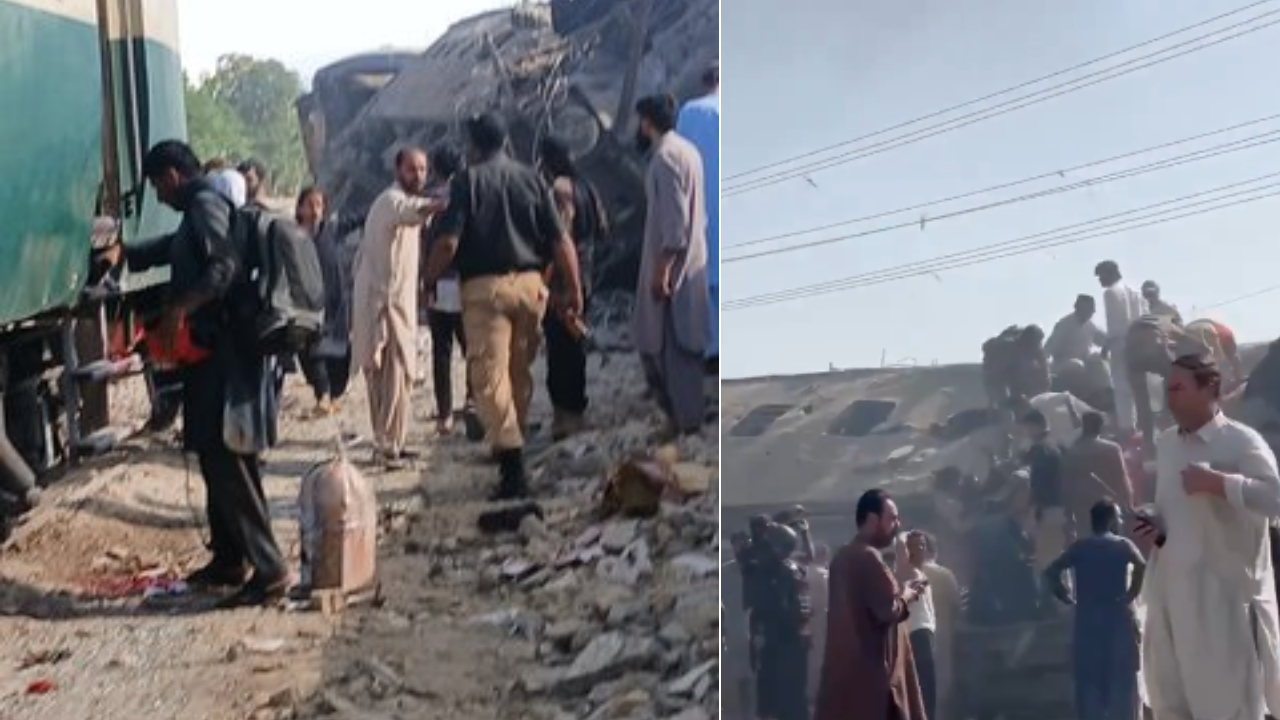
The global media machine has a template for tragedies like the Quetta railway station blast. Twenty-four dead. Over fifty injured. The coverage invariably follows a predictable script: express shock, condemn the brutality, label the railway station a "soft target," and call for tighter security gates.
This framework is completely wrong. It misdiagnoses the mechanics of modern asymmetric warfare, misunderstands the geography of Balochistan, and offers a false sense of security through the illusion of checkpoint theater.
Calling a bustling transit hub in a conflict zone a "soft target" is a fundamental intellectual failure. In a region defined by decades of low-intensity insurgency, a major railway terminal is not a passive backdrop. It is a highly integrated piece of strategic infrastructure. To treat it as an unforeseen vulnerability is to ignore the reality of how insurgent groups operate.
The Illusion of Checkpoint Theater
The immediate reaction from pundits and bureaucratic officials after any transit attack is a demand for more metal detectors, higher walls, and more personnel at the gates. This is security theater. It does nothing to stop a determined attacker; it merely shifts the perimeter of the vulnerability.
Imagine a scenario where a transit hub installs airport-level screening at its entrance. The immediate result is a massive, slow-moving bottleneck of hundreds of commuters waiting outside the facility. To a suicide bomber or an insurgent team, that queue outside the gate is just as valuable a target as the platform inside. You have not eliminated the risk. You have just moved it fifty yards closer to the street.
True security in asymmetric environments does not come from piling up sandbags at the door. It comes from deep intelligence, localized community trust, and the disruption of logistics networks long before an operative ever reaches a crowded platform. Spending millions on hardware to secure a single station platform while leaving the broader network exposed is a waste of capital and human lives.
Decoupling the Geopolitical Reality
The Western and mainstream Pakistani press routinely treat these incidents as sporadic acts of senseless terror. There is nothing senseless about them. They are calculated, tactical maneuvers. The Balochistan Liberation Army (BLA), which claimed responsibility for the Quetta explosion, specifically targeted a group of Pakistani military personnel from the Infantry School who were returning from a training course.
This was not a random assault on civilians; it was a direct strike against the state’s security apparatus at a critical logistical node. When analysts fail to make this distinction, they obscure the true nature of the conflict. By framing the incident purely as a tragedy rather than a deliberate military action within a broader separatist campaign, the public is left completely in the dark about the actual stability of the region.
Balochistan is the focal point of massive international infrastructure investments, most notably the China-Pakistan Economic Order (CPEC). The province possesses vast mineral wealth, yet it remains economically marginalized. This disconnect creates a breeding ground for insurgency. Every bomb blast on a railway line or at a terminal is an explicit message to foreign investors and the federal government that the state cannot guarantee safety on its own critical transit routes.
The Flawed Questions We Keep Asking
The public discourse surrounding regional insecurity is broken because we are answering the wrong questions.
Why can't the state protect its citizens at transit hubs?
This question assumes that perfect security is a achievable state if we just hire enough guards. It is not. Pakistan has thousands of miles of railway tracks, hundreds of stations, and an underfunded security apparatus. Total protection is a statistical impossibility. The question shouldn't be how to build an impenetrable fortress around a train station, but why the intelligence apparatus failed to penetrate the operational cell weeks before the attack occurred.
Will increased military deployment in Balochistan solve the crisis?
Decades of heavy-handed policing and military footprints have failed to quiet the province. Doubling down on the same strategy while ignoring the underlying economic alienation and political disenfranchisement is insanity. Security forces are treating the symptom—the bomb—while the disease—the deep-rooted systemic grievance—continues to fester.
The Friction of Hard Realities
Admitting that security theater is useless requires confronting an uncomfortable truth: traveling through a conflict-adjacent zone carries inherent risk that no government can fully mitigate.
For years, regional analysts have watched billions of rupees pour into visible security measures—cameras, barriers, scanning machines—while the actual human intelligence networks are left underfunded and politically compromised. It looks good on evening news broadcasts to show soldiers standing at a newly fortified gate. It creates an aura of control. But it is an empty shell.
If the goal is to actually protect human life and stabilize transit, the approach must be stripped of its PR-driven components. Stop building bigger bottlenecks at station doors. Shift funding directly into aggressive, localized counter-intelligence. Build out reliable, anonymous defection pipelines for insurgent networks. Address the basic infrastructural neglects that allow militant recruiters to find willing bodies in the first place.
Until the state stops treating these infrastructure attacks as isolated security lapses and begins addressing them as symptoms of a complex, unresolved political conflict, the scripts will remain the same. The death tolls will change, the locations will shift, but the fundamental failure of strategy will endure. Stop fixing the gates. Fix the strategy.