Geopolitics rarely moves in a straight line, and the current diplomatic climate in Asia proves it. While New Delhi and Beijing test a cautious diplomatic reset, the strategic machinery of the Indo-Pacific keeps grinding forward. India, the United States, Japan, and Australia recently pushed their shared Indo-Pacific Logistics Network (IPLN) forward during a tabletop exercise in Tokyo.
If you look past the standard diplomatic handshakes, you'll see a very specific operational reality taking shape. This isn't just another routine bureaucratic meeting. It’s a calculated effort to build structural resilience across supply chains that handle regional emergencies, long before the next major crisis hits.
What the Indo-Pacific Logistics Network Actually Does
Most casual observers hear "logistics network" and immediately think of military hardware or secret troop movements. That's a mistake. Originally introduced as a civilian-focused initiative at the Quad leaders' summit, the IPLN targets humanitarian assistance and disaster relief (HADR).
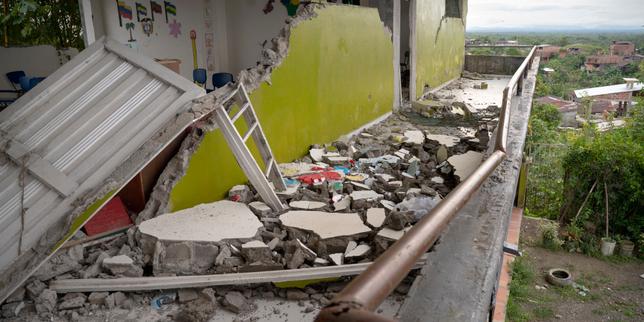
Think about what happens when a massive cyclone, earthquake, or tsunami hits the region. Local governments often get overwhelmed within hours. Warehouses run dry, transport routes fracture, and relief supplies sit stranded because different nations use incompatible customs forms, fueling equipment, and communication protocols.
The Tokyo exercise focused heavily on hammering out standard operating procedures (SOPs). The four nations are mapping out how to share existing logistics hubs, coordinate transport aircraft, and streamline relief delivery without stepping on each other's toes. When disaster strikes, days lost to red tape equal lives lost. The Quad is trying to engineer that friction out of the system.
Balancing a Beijing Reset With Strategic Insurance
Why push a major operational framework right as India and China are testing a thaw? Because smart governments don't put all their eggs in one diplomatic basket.
New Delhi walks a tightrope. Normalizing certain trade and diplomatic channels with Beijing makes economic sense, but it doesn't erase decades of structural competition or border flashpoints. By advancing the IPLN, India ensures its regional partnerships remain active and functional, independent of whatever temperature current bilateral talks with China happen to register.
The United States, Japan, and Australia view this arrangement through a similar lens. They want to prove that minilateral groupings can deliver tangible public goods. Disaster relief response becomes the ultimate stress test for reliability. If the Quad can move medical supplies, clean water, and emergency shelter across thousands of miles of ocean faster and cleaner than anyone else, its value proposition becomes undeniable.
Moving From Concept to Execution
Talk is cheap, especially in international relations. For years, critics labeled the Quad a talking shop with plenty of grand declarations and very little operational output. The shift toward tabletop simulations and upcoming field training exercises changes that narrative.
The partners are actively ironing out the boring details. Who pays for fuel when an Australian transport plane lands at an Indian facility? How do regulatory clearances clear in under two hours instead of two weeks? These are the operational bottlenecks that kill international cooperation.
As these protocols mature, expect the network to expand its practical scope. The infrastructure being built today to move disaster relief tents and medical kits can easily double as a framework for broader maritime domain awareness.
Watch the upcoming field exercises closely. That's where you'll see whether these paper agreements translate into actual capability on the water and in the air.
Quad Advances Indo-Pacific Logistics Network As India, US, Japan & Australia Boost Disaster Response
(Note: Due to platform constraints, a representative video overview covering the recent Quad logistics developments and regional disaster response coordination is linked above.)