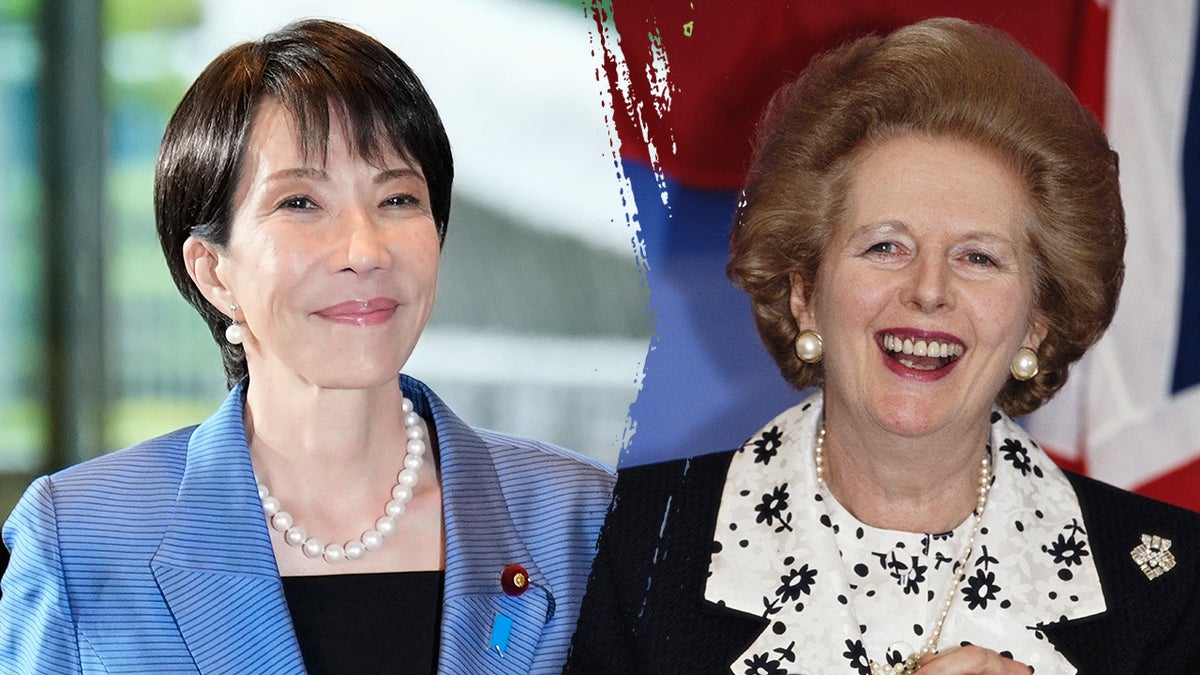
Japan's Prime Minister Sanae Takaichi had a busy Thursday planned, but a common cold had other ideas. She was supposed to host a high-stakes iftar dinner for ambassadors from Muslim nations, a key diplomatic tradition during Ramadan. Instead, she spent the evening at her official residence after showing visible signs of illness during a grueling nine-hour budget committee session.
While a "cold" sounds like a minor excuse, the timing is anything but convenient. Japan is currently navigating a minefield of Middle Eastern tensions that threaten its energy security. When the person leading the world’s fourth-largest economy starts staggering in parliament, people notice.
The missed meeting with the GCC
Earlier today, Takaichi was expected to meet with ambassadors from the Gulf Cooperation Council (GCC). These are the heavy hitters of the oil world—nations like Saudi Arabia, the UAE, and Qatar. With the Strait of Hormuz effectively blocked and tensions around Iran reaching a fever pitch, Japan is in a precarious spot.
Chief Cabinet Secretary Minoru Kihara stepped in to fill her shoes. He met the envoys at the Prime Minister's Office, attempting to maintain the "precious friendship" Japan has cultivated with the Islamic world. But let's be real: in diplomacy, face time with the top leader is the gold standard. Kihara is a capable surrogate, but he isn't the woman who just secured a historic landslide victory in February.
The iftar itself is an annual tradition where the Japanese government breaks the fast with diplomats from over 40 countries. This year, the stakes were higher than usual. Japan is preparing to release strategic oil reserves as early as March 16 to combat rising fuel prices. Missing the chance to look these ambassadors in the eye and discuss "de-escalation" isn't ideal, even if her absence was medically necessary.
Health concerns or just exhaustion
Observers at the House of Representatives Budget Committee meeting reported seeing Takaichi leaning against walls and looking unsteady. It’s not surprising. Since taking office last October and leading the LDP to a massive supermajority in the February snap election, she hasn't stopped.
The schedule she’s been keeping is brutal:
- Pushing through a 122 trillion yen budget.
- Negotiating a two-year suspension of the consumption tax on food.
- Managing a potential energy crisis triggered by the U.S.-Israeli attacks on Iran.
- Preparing for an upcoming trip to the U.S. to meet Donald Trump.
She’s human. Even the "world's most powerful woman," as some media have dubbed her, can't outrun a virus when she's running on fumes. This isn't the first time health or physical strain has forced a change in her plans; back in February, she had to skip a live debate due to a strained arm from "repeated handshakes" on the campaign trail. It seems the relentless pace of her "strategic realism" is taking a physical toll.
What this means for Japan's Middle East strategy
Kihara used the dinner to emphasize that "peace and stability in the Middle East are extremely important to Japan." That’s an understatement. Japan gets roughly 95% of its crude oil from the region. With the Strait of Hormuz currently a no-go zone for many tankers, the Japanese economy is staring down a massive supply crunch.
Interestingly, the Iranian ambassador was a no-show at the iftar. While Takaichi's absence was due to a cold, the absence of the Iranian envoy speaks to the deep diplomatic rift currently tearing through the region. Japan has tried to position itself as a mediator—even planning to launch a new mediation office at the Foreign Ministry—but it's hard to mediate when the primary parties aren't in the room (or in Takaichi's case, when you're too sick to be there).
The government is trying to project a "business as usual" image. Kihara spoke about the spirit of harmony and tolerance, but the subtext was all about oil and security. Japan needs these nations to help keep the sea lanes open.
The immediate road ahead
Don't expect Takaichi to stay down for long. She’s driven to get the 2026 budget passed by the end of this month. She’s also betting big on the oil reserve release to keep gasoline prices around 170 yen per liter.
If you're watching Japanese politics, the next few days are critical. We'll see if she bounces back in time for the official start of the oil release on Monday. If she stays out of the public eye for more than a couple of days, the "cold" narrative might face more scrutiny from an already restless opposition.
For now, the best move is to watch the oil markets. If Japan's unilateral reserve release doesn't stabilize prices, Takaichi will need more than a rest day to fix the economic fallout. Keep an eye on the official Kantei updates for her return to the Diet.