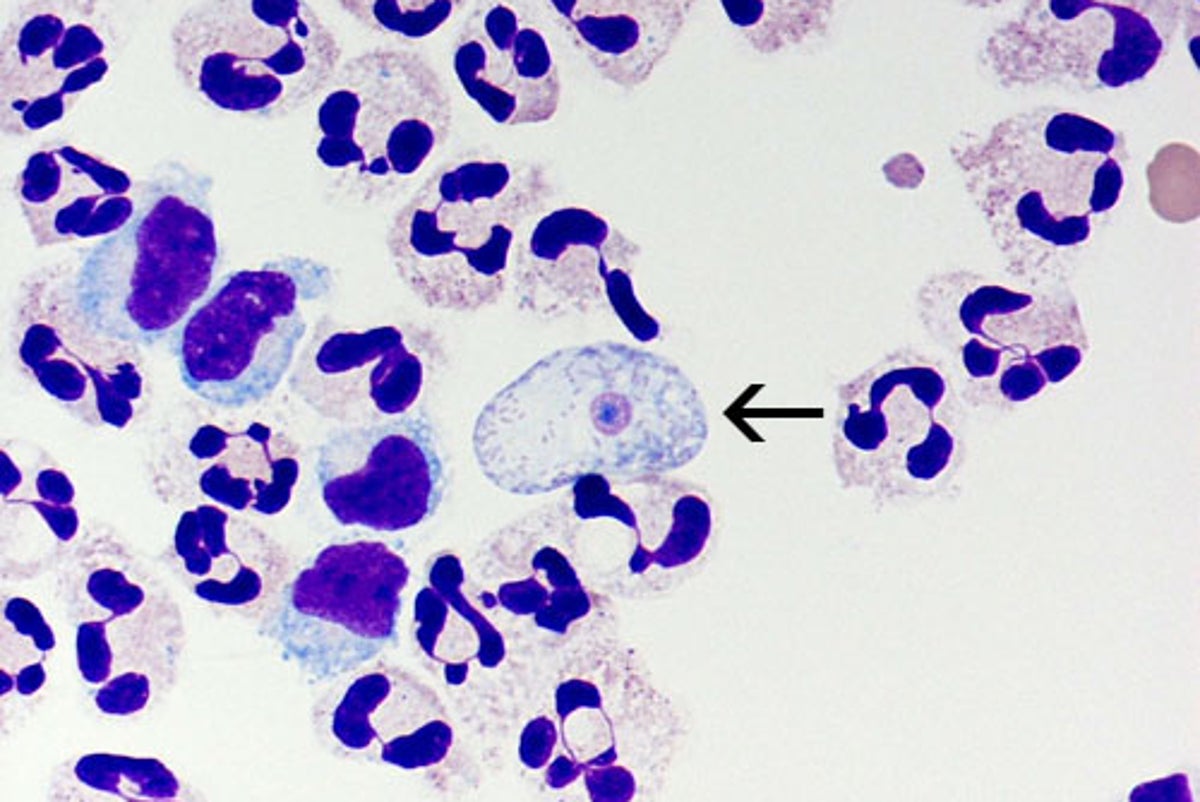
Primary amebic meningoencephalitis represents an almost absolute mortality vector driven by the neurotropic migration of Naegleria fowleri. The recent fatality involving a North Carolina resident who contracted the organism during aquatic exposure highlights systemic gaps in environmental exposure awareness, diagnostic velocity, and therapeutic intervention protocols. Media coverage routinely mischaracterizes this organism as a flesh-eating parasite, missing the precise pathophysiology: it is a free-living thermophilic amoeba that utilizes the olfactory mucosa as a direct anatomical bridge to the central nervous system.
To analyze the fatality, the epidemiological sequence requires a structural breakdown across three distinct phases: environmental niche occupation, mucosal breaching mechanics, and neuroinflammatory destruction.
The Environmental Niche and Thermophilic Thresholds
Naegleria fowleri thrives in warm freshwater bodies such as shallow lakes, slow-moving rivers, and poorly maintained geothermal pools. The organism operates as a bactivore during its normal ecological lifecycle, shifting into an infectious flagellate or trophozoite form when environmental stressors or nutrient depletion occur.
- Temperature Dependency: The metabolic rate and reproductive capacity of the amoeba accelerate significantly as water temperatures exceed 30 degrees Celsius, peaking during prolonged summer heatwaves. This thermal threshold explains the seasonal clustering of infections between July and September.
- Sediment Disturbance: Because the organism resides primarily at the benthic interface, activities that stir up bottom silt—such as diving, water skiing, or heavy swimming—increase the localized concentration of suspended trophozoites near the surface water column.
- Chlorination Failures: In artificial aquatic settings like splash pads or unmaintained swimming pools, inadequate free chlorine residuals (falling below standard disinfection thresholds of 1.0 to 3.0 parts per million) fail to neutralize the cyst and trophozoite forms, turning recreational infrastructure into exposure vectors.
Pathogenic Migration and Mucosal Infiltration
Infection does not occur through ingestion; drinking contaminated water poses no risk because stomach acid destroys the organism. The exclusive vector is forced nasal submersion.
When high-velocity water enters the nasal cavity, trophozoites make physical contact with the mucus-coated olfactory epithelium. The organism identifies chemical cues—specifically ionic gradients and amino acid profiles associated with nerve tissue—and initiates structural transformation.
- Adhesion and Cytolysis: Trophozoites deploy specialized food cups (food-cup-like structures or stieda body analogues) that mechanically disrupt and phagocytize host mucosal cells.
- Axonal Translocation: Rather than entering the systemic bloodstream, the organism utilizes the axons of the olfactory nerve (cranial nerve I) as a physical railway. The amoeba migrates upward through the cribriform plate, a porous bone structure separating the nasal cavity from the cranial vault.
- Subarachnoid Space Entry: Within days, the pathogen breaches the subarachnoid space, arriving directly within the cerebrospinal fluid that bathes the frontal lobes.
The Neuroinflammatory Cascade and Therapeutic Bottlenecks
Once the organism reaches the brain parenchyma, it initiates rapid hemorrhagic necrosis and edema. The human immune response paradoxically accelerates the destruction.
- Neutrophilic Influx: The central nervous system mounts an aggressive innate immune response, flooding the subarachnoid space with neutrophils and macrophages. This massive inflammatory surge causes intracranial pressure to spike catastrophically.
- Direct Cytotoxicity: The amoeba feeds on neural tissue via direct enzymatic digestion, releasing cytolytic proteins, phospholipases, and pore-forming peptides that lyse host neurons on contact.
- Diagnostic Latency: Initial symptoms—frontal headache, fever, nausea, and stiff neck—are clinically indistinguishable from acute bacterial or viral meningitis. This diagnostic ambiguity leads clinicians to administer broad-spectrum antibiotics and antivirals that have zero efficacy against protozoan membranes, wasting critical therapeutic windows.
Therapeutic Failure Analysis
The standard treatment regimen relies heavily on amphotericin B, often combined with azithromycin, fluconazole, and miltefosine—an anti-leishmanial drug repurposed for its amoebicidal properties. However, pharmacological intervention faces severe structural limitations:
- The Blood-Brain Barrier Compromise: While inflammation compromises the blood-brain barrier, achieving therapeutic drug concentrations of amphotericin B within the deep parenchyma without inducing nephrotoxicity remains exceptionally difficult.
- Intervention Timing: By the time clinical presentation triggers a lumbar puncture and confirmatory polymerase chain reaction or wet mount microscopy, tissue destruction is often irreversible. The organism has already migrated extensively through the frontal and temporal lobes.
Public Health and Preventive Protocol Optimization
Mitigating future mortality requires shifting from reactive treatment to proactive environmental risk management. Public health messaging must abandon vague warnings about "warm fresh water" and instead educate populations on vector avoidance mechanics.
- Nasal Occlusion: In untreated warm water environments, the mandatory deployment of nose clips or complete avoidance of head submersion remains the only 100 percent effective mechanical barrier against cribriform plate inoculation.
- Water System Audits: Municipalities and private operators of aquatic facilities must enforce strict automated monitoring of disinfectant residuals, ensuring that thermal safety margins in shallow water features do not allow thermophilic microbial amplification.
- Clinician Education Protocols: Emergency department triage guidelines in southern and mid-Atlantic states must incorporate seasonal screening protocols for freshwater exposure when patients present with acute primary headache and fever of unknown origin, prioritizing immediate empiric administration of miltefosine alongside traditional antimicrobials.
Implement mandatory seasonal filtration directives for municipal splash pads operating in ambient temperatures exceeding 32 degrees Celsius, coupled with automated shut-off triggers when free halogen residuals drop below regulatory thresholds.