The screen glows cold in the dark bedroom. It is late, past midnight, when a familiar kind of poison scrolls past. A comment online. Just a few typed characters, tossed into the public square like a broken bottle left on a playground slide. Somebody reads it. Somebody else amplifies it. By morning, the digital graffiti has bled into the physical world, staining the concrete of a society that prides itself on quiet order.
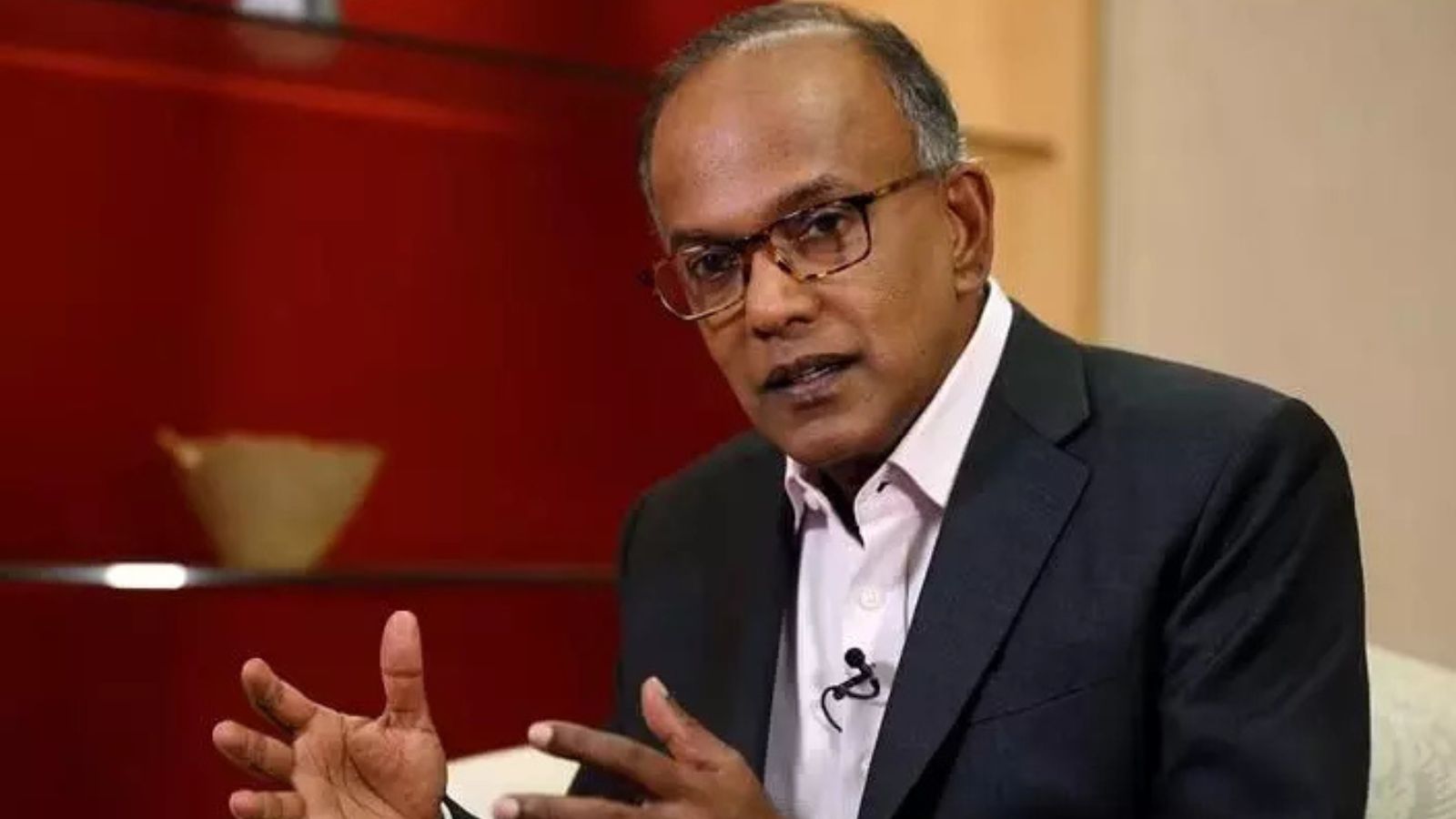
We like to believe that words exist in a vacuum. We tell ourselves that screens insulate us, that a comment typed in anger is just steam blown off a hot engine, vanishing into the ether before anyone gets hurt. But Singapore minister K. Shanmugam did not mince words when he looked at the vitriol directed recently at the Indian community. He called it shameful. He called it nasty. And more importantly, he drew a hard, unyielding line in the dirt because words, when left unchecked, become weather. They turn into storms that tear down the fragile shelter of a multi-ethnic home.
Consider what happens next when the police step in.
Sirens are rarely just about broken laws; they are about broken social contracts. When law enforcement investigates online racist remarks, it marks the exact moment a community decides that comfort is no longer more important than safety. For decades, the foundational promise of this small island nation has been coexistence. It is a daily, deliberate choice made by people who look different, pray differently, and eat different foods, yet share a single staircase, a single hawker center table, a single narrow strip of land.
Imagine living in a housing block where your neighbor two doors down is the person you exchange quiet nods with while waiting for the elevator. You know the smell of their cooking; they know the sound of your children running down the corridor. Now imagine finding out that someone hiding behind a faceless handle online is calling for that neighbor to be stripped of dignity simply because of the heritage they share. The contrast is jarring. It makes you look at the elevator door differently. It forces a heavy, suffocating question into the air: Does this person actually hate people like me?
That is the invisible stake of online hate speech. It fractures the micro-trust of everyday life.
When racism rears its head in a diverse metropolis, the immediate reaction is often defensive shock. We want to believe it’s an anomaly. We want to point to the textbook definitions of harmony and pretend the ugly outburst was just a glitch in an otherwise pristine machine. But human beings are messy. Societies are fragile things, held together not by steel cables, but by mutual restraint. Every time someone types a racial slur or a sweeping generalization about a demographic group, they take a wirecutter to one of those cables.
Look at the historical weight behind these incidents. Singapore’s history is not a fairy tale of instant unity. It was forged out of the fire of past communal tensions—scars that older generations remember vividly, even if younger generations view them as ancient history. When a government minister steps forward to condemn racism in the strongest possible terms, it is a reminder of those old burns. It is a preemptive strike against history repeating itself.
Yet, condemnation alone cannot clean the wound.
The police investigation is necessary, yes. Accountability matters. When anonymous trolls realize their screens do not grant them complete immunity from the law, the calculus changes. Fear begins to shift from the victim to the perpetrator. But punitive measures only treat the symptom. The disease itself lives deeper, in the quiet corners where resentment festers, fed by algorithms designed to reward outrage over nuance.
Think about how information travels today. A grievance is manufactured, packaged into a 15-second video or a biting tweet, and fed into an echo chamber. People are lonely. People are stressed about the cost of living, housing pressures, career anxieties. It is psychologically convenient to hand someone a scapegoat. If you are struggling, it is far easier to blame the person across the border or the neighbor across the hall than to confront the complex, systemic realities of modern existence. Racism is an easy out for a hard life.
And that is where the human cost becomes unbearable.
For the individuals targeted by these remarks, the impact is not theoretical. It is a tightening in the chest when walking down an unfamiliar street. It is the second-guessing of a smile from a stranger. It is teaching children how to carry themselves so they don't invite trouble. No one should have to navigate their hometown like a minefield.
When the authorities intervene, they are trying to reset the baseline of public decency. They are declaring that freedom of speech does not include the freedom to make another human being feel unsafe in their own skin. But laws can only dictate behavior; they cannot curate empathy.
Empathy requires proximity. It requires sitting across from someone whose life experience is entirely foreign to your own and listening without an agenda. It requires breaking out of the algorithmic bubbles that tell us our neighbors are our enemies.
The online vitriol will not vanish overnight. The temptation to retreat into tribalism will always lurk beneath the polished surface of modern cities. But every time a community refuses to look away, every time a leader calls out prejudice by its true name, and every time an ordinary citizen reaches out to bridge the gap, the narrative shifts.
The screen goes dark again. The room is quiet. But outside, the dawn is coming, and the streets belong to everyone who walks them.


