The air in a Chelsea art gallery is engineered to feel like nothing at all. It is filtered, climate-controlled, and eerily silent, designed to ensure that the only thing speaking is the canvas on the wall. Brent Sikkema moved through this world for decades. He was a man who understood the precise value of silence and the loud, echoing power of a well-placed brushstroke. As a co-founder of the prestigious Sikkema Jenkins & Co., his life was a masterclass in curation.
But there is a sharp, jagged difference between the curated image of a man and the raw, bleeding reality of his end. If you enjoyed this post, you should look at: this related article.
In January 2024, the silence of the art world was shattered. Sikkema wasn't found amidst the white-walled perfection of his Manhattan gallery. He was found in a Rio de Janeiro apartment, his body punctuated by eighteen stab wounds. The transition from the high-stakes elegance of the New York art market to a frantic crime scene in Brazil is a descent that defies the logic of his polished public persona. As the trial for his alleged killers unfolds, the narrative is no longer about the art he sold, but the life he bought—and the high cost of trying to exit a contract that wasn't written on paper.
The Architect of Taste
To understand the weight of the loss, one must understand the man. Sikkema didn't just sell paintings. He shaped the cultural conversation. He represented giants like Kara Walker and Vik Muniz. In the hierarchy of Manhattan power, he was an arbiter of what mattered. Friends described him as generous, a man who possessed a legendary eye for beauty and a deep, perhaps dangerous, capacity for devotion. For another look on this event, refer to the latest update from NPR.
His life was a series of carefully composed frames. The brownstone in New York. The high-profile openings. The husband and the young son. To the outside observer, it was a masterpiece of stability. Yet, beneath the surface of any great work of art, there are sketches the public never sees. There are erasures. There are layers of paint applied to hide the mistakes made underneath.
The prosecution in the current murder trial suggests that the erasure of Brent Sikkema was not a random act of urban violence. It was a calculated stroke.
The House of Cards in Rio
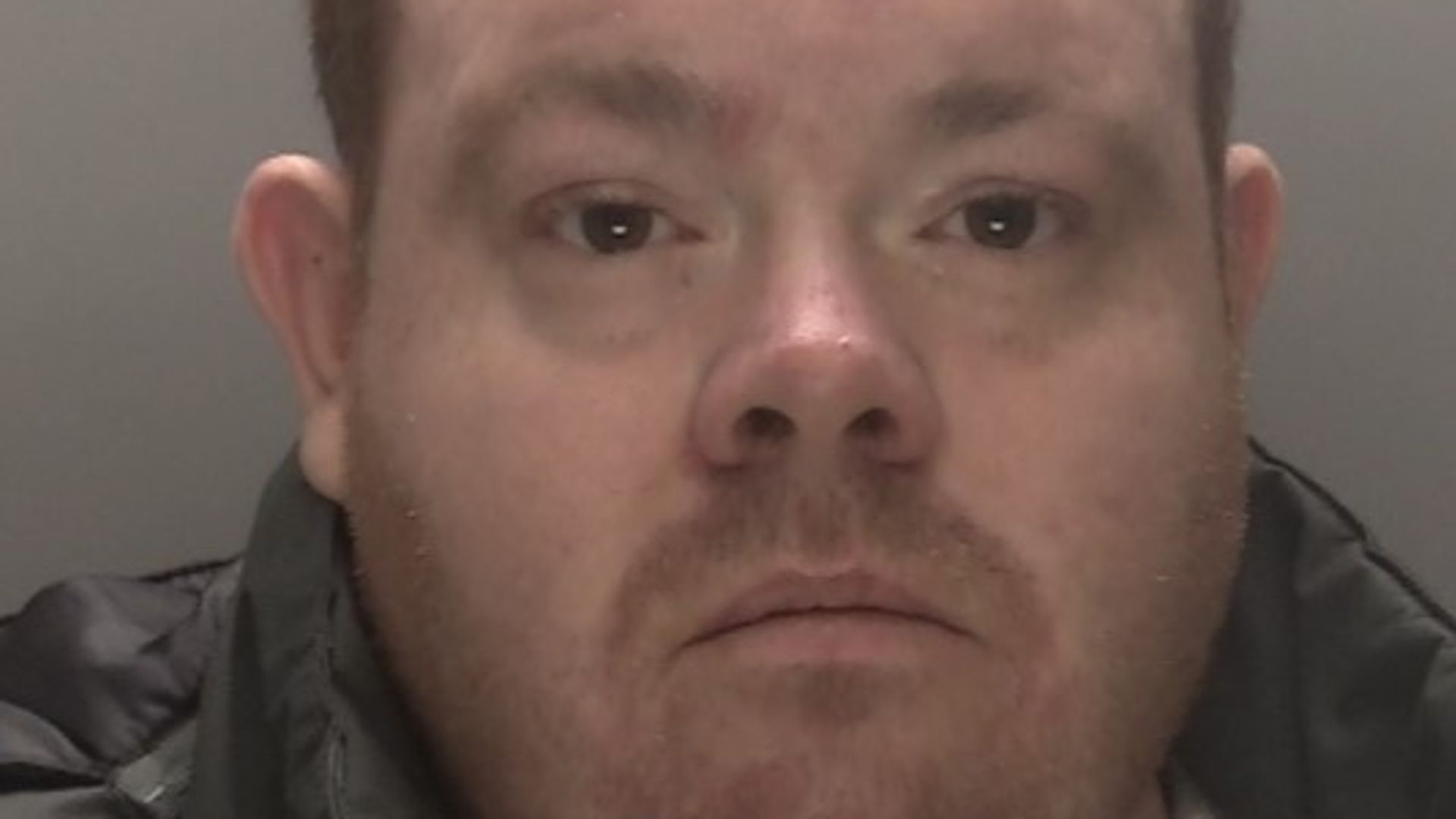
The trial centers on two primary figures: Alejandro Estrada, Sikkema’s estranged husband, and Thiago de Souza Costa, the man accused of wielding the knife. The narrative presented by Brazilian authorities reads like a noir thriller that complicates the victim's legacy. It turns a story of a tragic robbery into a cold-blooded murder-for-hire plot.
Consider the logistics of a hit. It requires more than just malice; it requires proximity and a deep understanding of the victim's rhythm. Prosecutors allege that Estrada, currently facing a bitter divorce and a custody battle over their son, became the silent director behind the scenes. They claim he provided Costa with the keys to the Rio apartment. They claim he tracked Sikkema’s movements. They claim he promised $50,000 for the permanent removal of a man who was once his partner.
Money, in the art world, is often abstract. It’s a number on a paddle at Sotheby’s. It’s a wire transfer for a sculpture that hasn't been cast yet. But in the Rio courtroom, money has become visceral. It is the motive for eighteen strikes of a blade. It is the currency of a desperate man trying to secure a future by annihilating the past.
The Invisible Stakes of a Marriage
Divorce is rarely a clean break. It is a slow, agonizing tearing of fabric. For Sikkema and Estrada, the stakes were astronomical. We aren't just talking about the division of assets or the deed to a vacation home. We are talking about the custody of a child and the control of a multi-million dollar legacy.
Imagine the pressure of a life built on appearances. When that life begins to crumble, the instinct for some isn't to rebuild, but to burn the evidence. The defense, of course, paints a different picture. They point to the chaos of Rio’s streets, suggesting a robbery gone wrong. They highlight the inconsistencies in witness statements. But the shadow of the "hit" remains long and dark.
Costa has reportedly confessed to the killing but claims he was pressured and manipulated by Estrada. He describes a man trapped by debt and domestic fury. If these allegations hold, the crime is a chilling reminder that the most dangerous people in our lives are often the ones who have the keys to our front door.
The Reality of the "Great Escape"
Sikkema loved Brazil. He sought refuge there from the grinding pace of the New York winter and the suffocating pressures of his professional life. He viewed his Rio home as a sanctuary. There is a profound irony in seeking peace in a place that eventually becomes your tomb.
The trial has forced a public autopsy of a private life. Every text message, every bank statement, and every disgruntled employee is being dragged into the light. The art world, which thrives on mystery and the "vibe" of exclusivity, is now forced to look at the grime under its fingernails.
The facts are stubborn.
- A car waited outside the apartment for fourteen hours.
- A man entered with a key.
- A man left with a small amount of cash, leaving behind a fortune in valuables.
These aren't the hallmarks of a desperate thief looking for a quick score. They are the fingerprints of a predator who had all the time in the world. The robbery, prosecutors argue, was a facade—a bit of performance art designed to distract from the true intent.
The Emotional Core of the Void
What is left when the gavel falls?
The gallery in Chelsea continues to operate, but the air feels different now. The silence is no longer engineered; it is heavy. Behind every transaction and every new exhibition is the ghost of a man who was silenced in the most brutal way imaginable.
The art world is obsessed with "provenance"—the history of an object's ownership. We want to know who touched it, who loved it, and where it has been. Brent Sikkema’s life now has a tragic provenance. He is no longer just the man who discovered talent; he is the man who became a headline.
We watch these trials because we want to believe there is a line between us and the darkness. We want to believe that if we are successful enough, or kind enough, or careful enough, we are safe. But the Sikkema case suggests that the most curated lives are often the most fragile. You can control the lighting, the temperature, and the guests on the list, but you can never truly control the heart of another person.
The trial continues to peel back the layers of paint. With every testimony, the colors get darker. We are seeing the sketch underneath. It is a messy, violent, and deeply human portrait of greed and betrayal.
Brent Sikkema spent his life teaching the world how to look at things. Now, we are looking back at him, seeing a man who was much more than a dealer of beauty. He was a father. He was a husband. He was a victim of a plan that required eighteen holes to be torn in the canvas of his life.
The gallery lights are still on. The walls are still white. But the masterpiece is gone, replaced by a cautionary tale about what happens when the people we love decide that we are worth more dead than alive.
The price of a curated life is that eventually, the frame must be broken.