The ink used to sign a ten-billion-dollar defense contract looks exactly like the ink used to sign a lease on a two-bedroom apartment. It dries just as quickly. It leaves the same faint smudge if you run your thumb over it too soon.
But when the people holding the pens are defense ministers and international arms consortium executives, that tiny line of dark fluid triggers a sequence of events that alters the global balance of power. Metal is forged. Assembly lines in Bavaria and Ohio shift into round-the-clock production. Tremors ripple through the stock prices of aerospace conglomerates.
Recently, inside the glass-and-steel expanse of NATO headquarters, officials moved from room to room with a deliberate, calculated swagger. They had receipts. They had charts showing steep, upward curves in European defense spending. They had freshly minted agreements for Patriot missile systems, artillery shells, and next-generation fighter jet components. It was a grand theatrical display of shared burden-sharing, a public relations offensive designed to prove one specific point: Europe is finally paying its way.
Yet, three thousand miles away in Washington, the mood remained distinctly chilly.
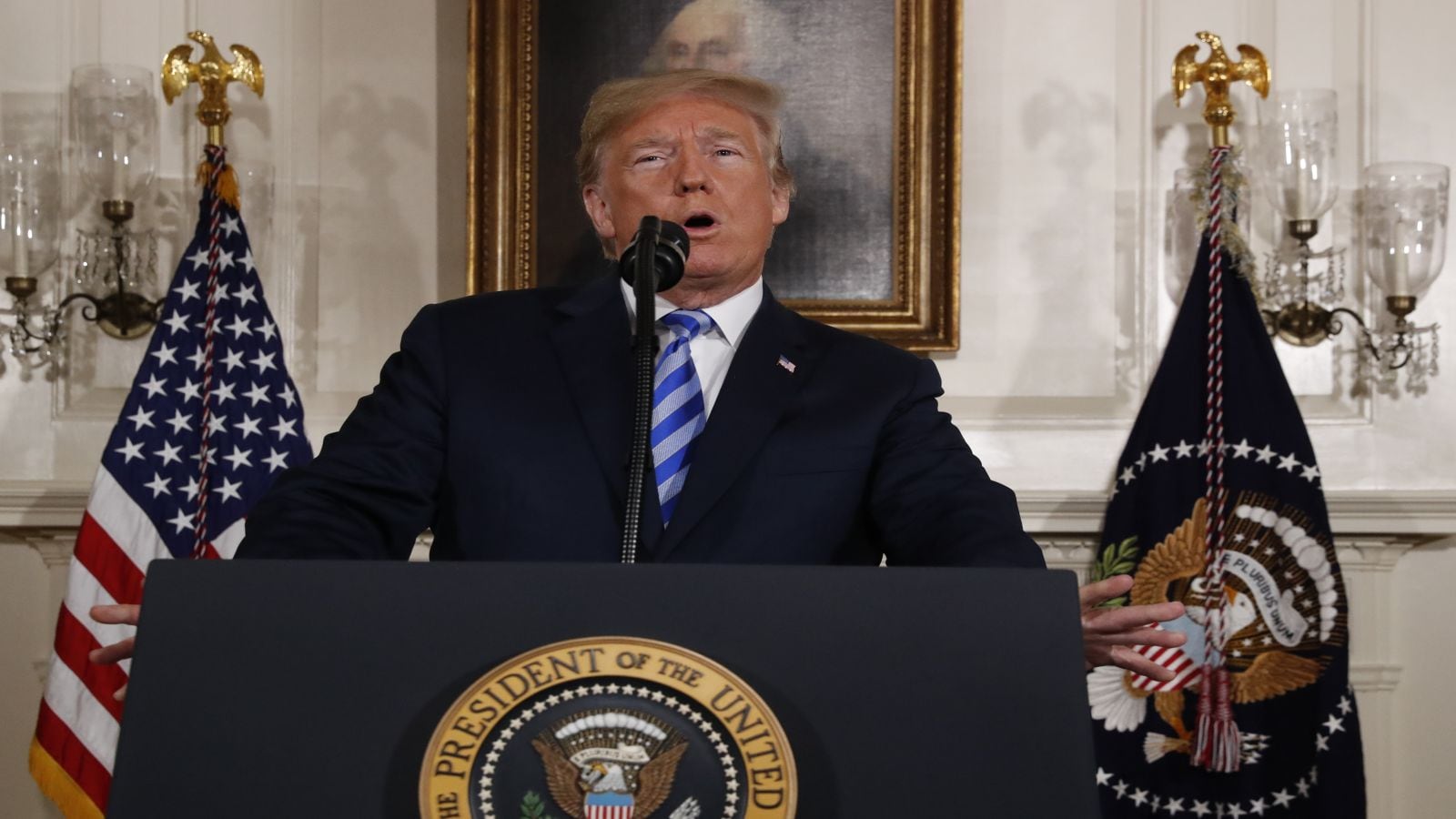
President Donald Trump looked at the same charts and saw something entirely different. Where European leaders saw a historic surge in defense investments, the American president saw a late payment on an old debt. He felt let down. The fundamental friction that has haunted the North Atlantic alliance for years did not evaporate with the signing of a few massive arms deals. Instead, it grew sharper.
To understand why billions of dollars in new weapons cannot fix a broken political relationship, you have to leave the high-level summits behind. You have to look at how this money actually moves, and what it buys.
Consider a hypothetical worker named Stefan. He works at a munitions plant in Troisdorf, Germany. For twenty years, Stefan’s job was predictable, quiet, and largely ignored by the public. Defense was an afterthought in European politics, a line item to be trimmed whenever budgets got tight. The factory operated on a single shift. The machinery was old.
Today, Stefan works twelve-hour shifts. The air in the facility smells constantly of hot industrial grease and machined steel. His company is rushing to fulfill orders that stretch out past the end of the decade. The money flooding into his factory is real. It comes from European tax revenues, explicitly earmarked to meet the NATO target of spending two percent of gross domestic product on defense.
From Stefan’s perspective, Europe is straining every muscle to rearm. The factories are at capacity. The supply chains are choking on the sudden demand for raw explosives and specialized steel.
Now shift the perspective to a voter in Ohio or a strategist in the Oval Office.
They look across the Atlantic and see a continent that enjoyed decades of peace under an American security umbrella while building generous social safety nets and modern infrastructure. They see an America that spends more than three and a half percent of its massive GDP on its military, maintaining global networks that protect trade routes European companies use every day. When the American administration looks at the new European arms deals, they do not see a favor. They see the bare minimum, delivered decades late, under intense duress.
This is the emotional core of the current geopolitical standoff. It is not a dispute about mathematics. It is a dispute about fairness.
The numbers themselves are dizzying. NATO Europe and Canada have increased their collective defense spending for several consecutive years. Dozens of allies now meet or exceed the two percent benchmark, a stark contrast to a decade ago when only a handful did. The alliance is buying more hardware than at any point since the collapse of the Soviet Union.
But a nation's security apparatus is not a cruise ship. You cannot turn it around in a single afternoon.
When a European government signs a contract for a fleet of F-35 fighter jets, those planes do not appear on the tarmac the next morning. Delivery takes years. Training pilots takes longer. Building the specialized hangars and maintenance facilities takes longer still. The money is spent today, but the actual military capability—the raw power that deters an adversary—is a distant promise.
For an American president focused on immediate results and tangible returns, these long horizons look like foot-dragging. Trump’s political brand relies on clear, transactional victories. If America provides the security, America expects immediate deference, massive domestic defense purchases, or direct financial reciprocity. A contract that delivers missiles to a European storage depot in 2030 does not move the political needle in Washington today.
The alliance is trapped in a classic psychological impasse. One side wants credit for how far they have come. The other side is angry about how long it took them to start moving.
This gap in perception creates a dangerous instability. While NATO officials hold press conferences to showcase their new procurement strategies, the underlying political will that binds the alliance together is fraying. A treaty is only as strong as the belief that its members will actually fight for one another. If the primary contributor to that treaty believes it is being cheated, the legal language on the parchment begins to lose its meaning.
The real danger is not that Europe will fail to buy weapons. The deals signed recently ensure that European militaries will be better equipped by the end of this decade than they have been in thirty years. The danger is that by the time these weapons are built, tested, and deployed, the political framework that governs their use will have eroded.
Imagine a sophisticated security system installed in a house where the roommates no longer speak to each other. The locks are strong. The cameras are sharp. But if a break-in occurs, no one can agree on who should run to the door.
The defense contracts signed in Brussels are massive, necessary, and undeniably real. They represent a continent finally waking up to the harsh realities of a volatile world. But they are a logistical solution to a psychological crisis. You cannot buy trust with a procurement order. You cannot satisfy a grievance with a line item in a budget.
As long as Washington views European defense spending as a reluctant concession rather than a genuine partnership, the tension will remain. The factories will keep running. The shifts will stay long for workers like Stefan. The ink on the contracts will continue to dry. But the cold corporate success of the arms market will continue to mask a deeper, quieter failure of political faith.


