For thirty years, you could walk into a neon-lit alleyway in Tokyo, hand a crisp 500-yen note to a chef behind a wooden counter, and receive a steaming, perfect bowl of shio ramen. The price was as predictable as the sunrise. Generations of salarymen grew up, worked, and retired under a strange economic spell: the certainty that tomorrow’s lunch would cost exactly what it did yesterday.
Money in Japan did not change shape. It sat in banks, earning zero interest, completely content in its stillness. Deflation was not just an economic statistic; it was a psychological anchor. It meant your savings would actually buy more tomorrow if you just waited. So everyone waited. Companies held onto cash. Consumers held onto their wallets. The country became a masterclass in the art of the freeze. Meanwhile, you can find other events here: What Most People Get Wrong About the New US India Trade Talks.
But the ice is melting, and it is happening fast.
If you walk into that same Tokyo alleyway today, the menu has a sticker pasted over the old price. It reads 850 yen. To an outsider, that still sounds like a bargain. To a local, it feels like a tremor beneath the floorboards. To see the full picture, check out the detailed analysis by CNBC.
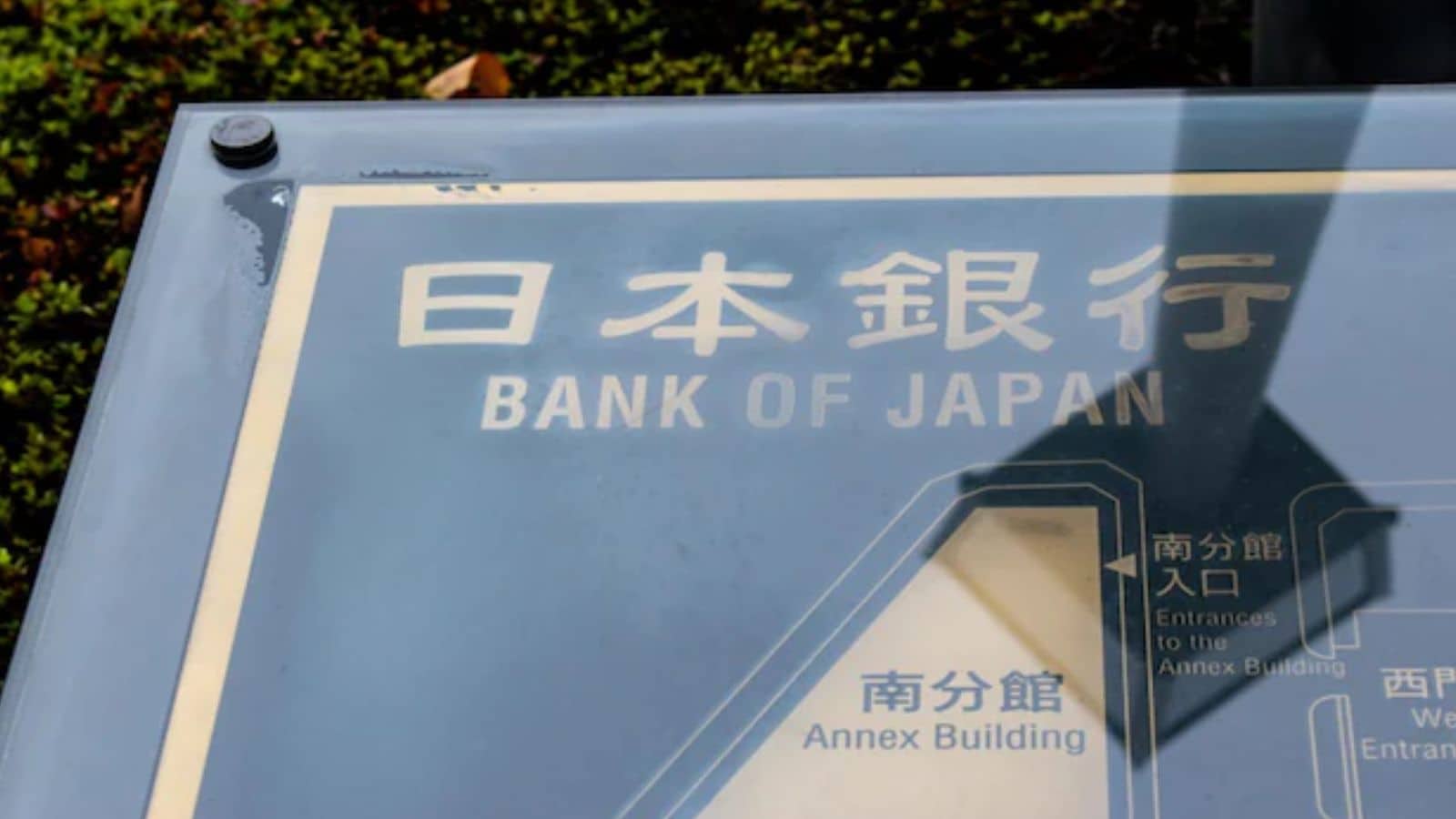
When the Bank of Japan signals that it is ready to raise interest rates again if inflation keeps climbing, it sounds like a bureaucratic adjustment. It sounds like a row of men in dark suits adjusting spreadsheets in a boardroom. But economic policy is never about spreadsheets. It is about the friction between a nation's deeply ingrained habits and a new, unpredictable reality.
The Phantom Rise of the Paycheck
Consider a hypothetical citizen named Kenji. For fifteen years, Kenji has worked middle management at a logistics firm in Osaka. He is meticulous. He knows exactly how much his commute costs, down to the single yen. For over a decade, his salary barely budged. He did not mind because his rent never went up, his groceries never got pricier, and his favorite canned coffee from the vending machine stayed stuck at 120 yen.
Last month, Kenji received his biggest raise in twenty years. His company, pushed by intense government pressure and a severe nationwide labor shortage, bumped his pay by more than five percent. Across Japan, major corporations did the same, marking the sharpest wage hikes since the early 1990s.
Kenji should be celebrating. He is not.
Instead, he sits at his kitchen table, looking at his smartphone. The price of electricity is up. The price of imported cooking oil has soared. That canned coffee is now 150 yen. The raise that looked so substantial on paper is being quietly eroded by the cost of simply living.
This is the cycle the Bank of Japan is trying to manage—or perhaps, unleash. For decades, the central bank tried everything to spark just a little bit of inflation. They dropped interest rates below zero. They bought up government bonds. They practically begged the public to spend money. Nothing worked because the memory of the 1990 asset bubble crash ran too deep. Fear is a powerful preservative.
Now, inflation is finally here, but it did not arrive because the domestic economy suddenly caught fire. It arrived because global supply chains broke, conflicts disrupted energy markets, and the yen plummeted to historic lows against the US dollar, making everything Japan imports vastly more expensive.
It is an imported fever. And the cure might be just as painful as the sickness.
Moving the Mountain of Zero
When a central bank raises interest rates, it is trying to cool things down. In most Western countries, raising rates is a standard lever. Inflation gets too high, you raise rates, borrowing slows, and prices stabilize.
In Japan, raising rates is like trying to alter the trajectory of a mountain.
Because interest rates have been at or near zero for a generation, the entire financial architecture of the country is built on the assumption that money is free. Millions of homeowners hold floating-rate mortgages. They chose these loans because the interest rate was virtually non-existent—sometimes as low as 0.3%.
If the Bank of Japan pushes its benchmark rate higher to combat inflation, those mortgage payments will tick upward. A two-percent inflation rate sounds healthy to an economist. To a family realization that their monthly housing cost is about to jump by twenty thousand yen, it feels like a breach of contract with reality.
The central bank finds itself caught in a delicate, high-stakes paradox. If they keep interest rates too low, the yen will continue to weaken. A weak yen makes foreign travelers happy because Tokyo becomes cheap to visit, but it punishes the average household by driving up the cost of imported food and fuel. If the bank raises rates too quickly to protect the currency, they risk crushing the fragile wage growth they worked thirty years to achieve.
It is a tightrope walked in the dark.
The Invisible Tax on a Cash Nation
There is a unique cultural detail that makes this transition deeply unsettling for the Japanese public: the sheer volume of physical cash held by households.
Despite the rise of smartphone apps and digital payments, Japan remains a society deeply attached to paper money and coins. Older generations, in particular, do not trust investments. They do not put their life savings into volatile stock markets or complex mutual funds. They keep it in cash, often literally tucked away inside their homes in what is known as tansu yokin—wardrobe savings.
In a deflationary world, wardrobe savings are safe. The cash retains its value.
In an inflationary world, a wardrobe full of cash is a block of ice left out in the sun. Every day that prices rise, the purchasing power of those hidden banknotes shrinks. The wealth of a generation of retirees is being quietly devalued, not by a stock market crash, but by the steady, relentless tick of rising prices.
This explains the palpable anxiety on the streets of Tokyo and Osaka. People are not angry that the economy is changing; they are disoriented. The rules of survival have been rewritten overnight. Saving money—the ultimate virtue in postwar Japan—has suddenly become a losing strategy.
The Bank of Japan’s leadership knows this. They are watching the data with an intensity that borders on obsession. They are waiting to see if the recent wage hikes will translate into real, confident consumer spending, or if people will simply hoard their bigger paychecks out of fear of future price hikes. If spending holds up, the bank will raise rates again, signaling the true end of the zero-interest era. If spending collapses, the country risks sliding back into the cold comfort of stagnation.
The chef behind the counter of the ramen shop wipes down the wooden surface. He looks at his chalkboard menu, wondering if he will have to change the numbers again before the year is out. He does not want to. His customers have been loyal for decades. But the pork is pricier, the flour is expensive, and the electricity to run the broth burners all night costs more than it ever has.
The era of the unchanging yen is over. Japan is stepping out of the freezer and into a world where money moves, prices climb, and the future must be paid for in real time. The spell is broken, and no one is quite sure what happens when the country fully wakes up.