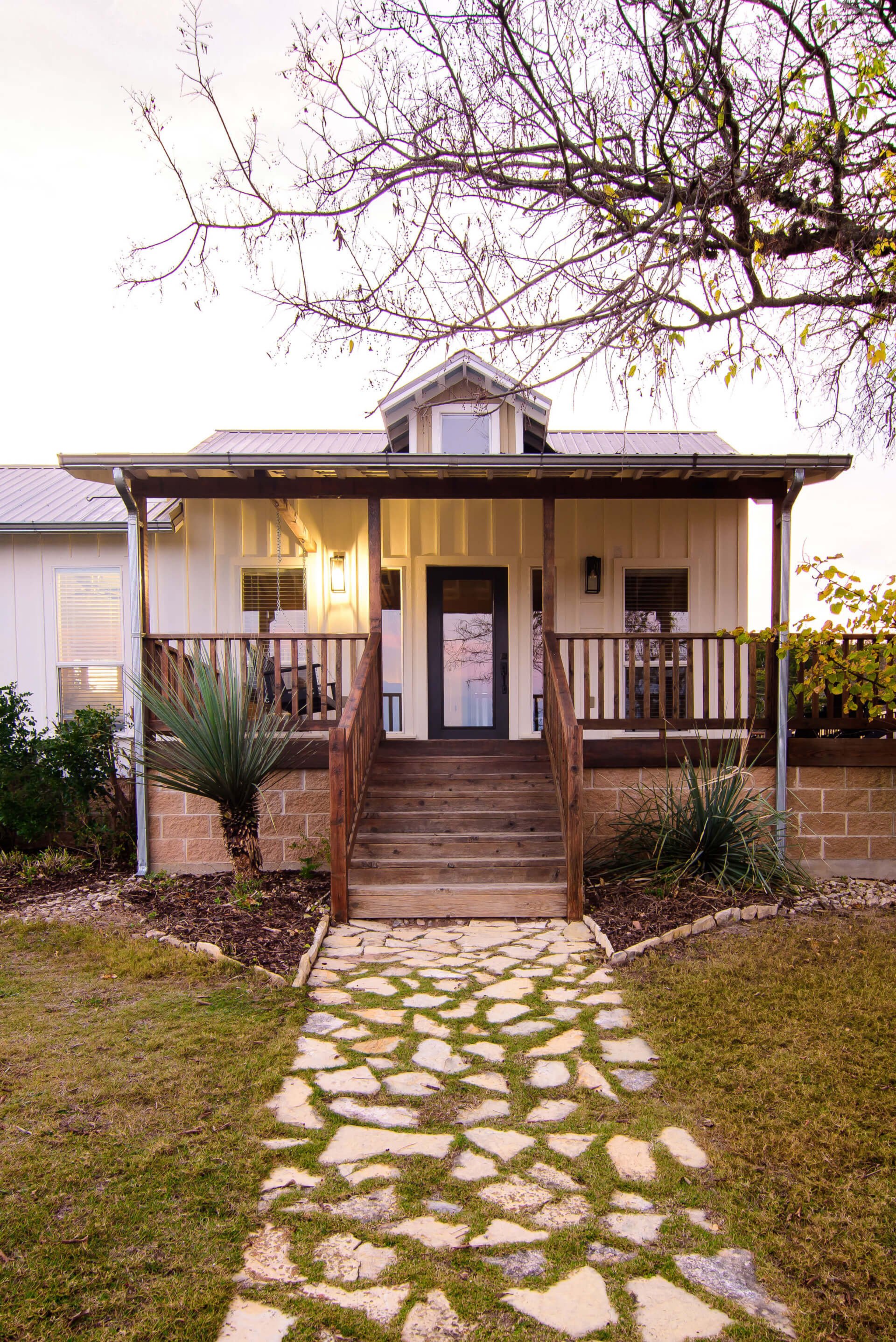
A standard front door in a quiet suburb of Belfast or Derry is not just a piece of wood and glass. It is a threshold. On one side, there is the smell of frying onions, the blue glow of a television, and the chaotic pile of shoes that signals a family is home. On the other side, there is the street. For most, the street is just a place to park the car. For a police officer in Northern Ireland today, the street has become a hunting ground again.
The news broke with the clinical coldness of a police report. A militant group, emerging from the shadows of a conflict many hoped was buried in the 1990s, issued a direct threat. They didn't just target the uniforms or the armored Land Rovers. They targeted the homes. They targeted the private sanctuaries where the badge is unpinned and the guard is supposed to be lowered.
This is not a theoretical debate about politics. It is about the sound of a gravel driveway at 2:00 AM.
The Geography of Fear
Northern Ireland’s peace has always been a delicate architecture, built on the hope that the "Men of Violence" were relics of a grainy, black-and-white past. But the recent declaration by a republican paramilitary faction serves as a chilling reminder that the embers never quite went cold. By stating they will target officers at their private residences, these groups are attempting to weaponize the most basic human instinct: the need to feel safe where we sleep.
Consider a hypothetical officer. We will call him David.
David grew up in a neighborhood where joining the police was once seen as a betrayal of his community. He joined anyway, believing that the new era of the Police Service of Northern Ireland (PSNI) was about civil rights and neighborhood safety rather than the sectarian battles of his father's generation. He spends his days mediating domestic disputes, responding to traffic accidents, and chasing small-time drug dealers.
When he drives home, he doesn't take the same route twice. He checks under his car for a mercury tilt switch—a device designed to explode when the vehicle hits an incline. This is a ritual. It is as routine as brushing his teeth, yet it carries the weight of life and death.
Now, the threat has shifted. It is no longer just about the commute. The threat is now directed at the very walls that house his children. The militant group’s statement isn't just a warning to David; it is a psychological siege laid against his wife, his parents, and his neighbors. It is an attempt to turn his community against him by making his presence a liability.
The Ghost of the Border
Why now? The timing isn't accidental. Northern Ireland exists in a strange, liminal space. The fallout from shifting trade borders and the collapse—and subsequent reboot—of local government has created a vacuum. In the world of paramilitary recruitment, a vacuum is an opportunity.
These groups thrive on the idea that the state is failing. By targeting the police, they aren't just trying to kill individuals; they are trying to prove that the law cannot protect its own protectors. If the man with the gun and the radio isn't safe in his kitchen, who is?
History here is a heavy cloak. During the three decades of the Troubles, hundreds of officers were killed, many in their driveways or in front of their families. To the younger generation, these stories are folklore. To the veterans, they are scars. The recent uptick in rhetoric suggests a desperate attempt by "New IRA" splinter groups to drag the current reality back into that old, bloody frame.
They are small in number. They lack the broad support they once commanded. But a single person with a weapon and a grudge doesn't need a majority to shatter a peace.
The Cost of a Career
The "hidden cost" of this news isn't found in a budget report for the PSNI. It’s found in the recruitment offices. Who signs up for this?
Imagine being a twenty-year-old from a working-class background, looking for a career that offers stability and a chance to give back. You see the headlines. You read that a militant group is actively scouting the homes of people who do this job. Suddenly, the pension and the salary don't look quite so appealing.
The strategy of the militant is simple: isolation. If they can make the job so dangerous that only the most hardened—or the most desperate—apply, they win. They want to strip the police of their "civic" identity and turn them back into a besieged garrison.
When an officer has to tell their children not to mention what Daddy does for a living at school, the militants have already won a small, cruel victory. When a neighbor stops coming over for coffee because they don't want their house to be "near the target," the social fabric of Northern Ireland begins to fray at the edges.
The Invisible Stakes
We often talk about "security" as if it is a commodity we can buy with more cameras or higher fences. It isn't. Security is a feeling. It is the ability to walk to the mailbox without scanning the rooftops.
The threat to target officers at home is a direct assault on the psychological normalization of Northern Ireland. It aims to re-segregate the mind. It tells the public that the war isn't over, that the past is the future, and that the "peace" is just a long intermission.
The real danger isn't just the potential for a tragic headline. It is the slow, grinding erosion of the middle ground. It is the way people start to whisper again. It is the way the porch lights start to go out, one by one, because nobody wants to be the one standing in the brightness.
The group behind this statement knows they cannot defeat the state in a conventional sense. They don't have the numbers. They don't have the hardware. What they have is the ability to create a "climate of fear." This is a phrase we used to hear every day in the 1980s. To hear it again in 2026 feels like a glitch in the timeline.
But the real problem lies elsewhere. It’s not just in the threats of the few, but in the silence of the many. In a society still healing, a threat like this demands more than just a police response. It demands a collective refusal to return to the old ways.
The militants are betting on the idea that we are still the same people we were forty years ago—frightened, divided, and easily provoked. They are betting that the shadow of a gunman is more powerful than the light of a shared future.
An officer sits in his darkened living room, watching the street through a gap in the curtains. His children are asleep upstairs. He is not thinking about the intricacies of the Northern Ireland Protocol or the latest debate in Stormont. He is listening for the sound of a car slowing down. He is wondering if the person he helped with a flat tire last week was the one who handed his address to a man in a balaclava.
He is waiting.
The tragedy is that he has to wait at all.