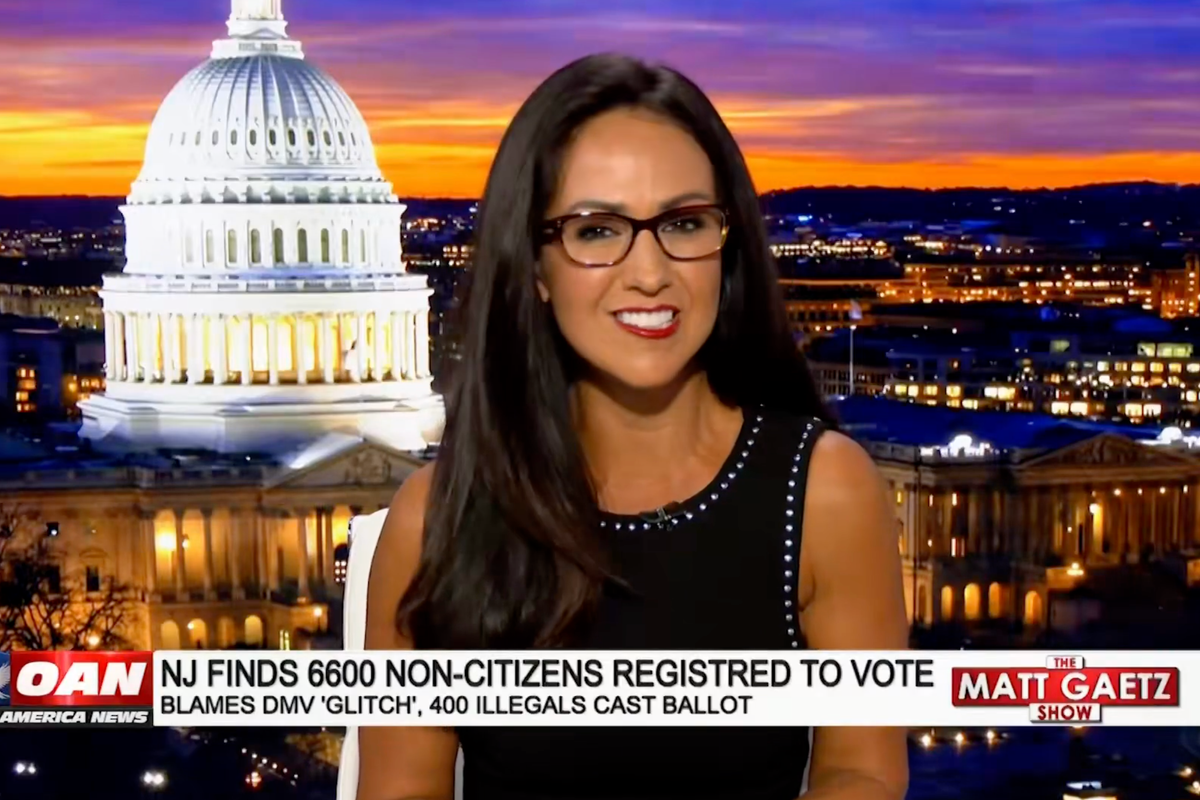
The media spent the week clutching its collective pearls over a sitting member of Congress guest-hosting a cable television program. Pundits wailed about institutional norms, conflicts of interest, and the erosion of legislative focus. They framed it as a shocking anomaly, a bizarre departure from the serious, grinding machinery of representative government.
They are entirely wrong.
This stunt was not an anomaly. It was the system working precisely as designed.
For decades, political analysts have operated under a lazy consensus: that voters want policy wonks, that legislators want to legislate, and that media appearances are a secondary distraction from the real work happening in committee rooms. That worldview is obsolete. We live in an attention economy where legislative text is secondary to broadcast reach, and cultural curation beats out committee amendments every single time.
The Myth of the Serious Lawmaker
Look at how modern Washington operates. Congress rarely passes standalone major legislation anymore. Bills are bloated omnibus packages written by anonymous staffers behind closed doors, dropped at midnight, and voted on without reading. The actual floor of the House or Senate is often empty, save for a lone representative reading to a half-empty room for C-SPAN archives.
When a politician trades a committee hearing for a guest-hosting gig on a partisan network, they are not abandoning their job. They are doing the real job.
The real job is brand preservation, audience capture, and donor mobilization. A traditional speech on the House floor reaches a few thousand people online if it goes viral. An hour-long cable broadcast reaches millions of high-propensity primary voters. From a sheer return on investment perspective, staying in Washington to argue about appropriations is an inefficient use of political capital compared to commanding a media megaphone.
We treat this like a moral failing of individual politicians. It is actually a rational adaptation to structural incentives.
The Attention Currency
Consider the mechanics of modern political survival. A member of Congress does not win reelection by convincing the median swing voter through meticulous policy papers. They win by firing up their base, dominating the news cycle, and ensuring their name recognition stays at 100 percent.
When media outlets gasp at cross-pollination between elected officials and partisan television, they reveal their own misunderstanding of the media landscape. Cable news networks and populist politicians are not separate entities covering each other; they are integrated nodes in the same attention-industrial complex. The politician provides the controversy and the institutional validation; the network provides the platform and the amplification.
Blaming the actors for playing the game well is like blaming a casino for using bright lights. If voters punished grandstanding at the ballot box, politicians would stop grandstanding. Instead, every time a lawmaker pulls a high-profile media stunt, campaign donations tick upward and social media engagement spikes.
What the Pundits Miss
The common critique focuses on the distraction from governance. This misses the underlying reality: governance is no longer the primary product being sold.
Think about how modern legislative power is actually exercised. It happens through narrative control. If you set the cultural terms of the debate, you force leadership to react to you. A backbencher with a microphone often wields more practical leverage over party direction than a senior committee chair who refuses to make good television.
By treating these media crossovers as rare, scandalous deviations, commentators pretend the old rules of institutional decorum still govern Capitol Hill. They do not. The old rules died the moment social media and twenty-four-hour cable news bypassed party leadership structures and handed direct lines of communication to the masses.
Politicians do not need the approval of parliamentary elites when they have direct access to millions of streaming households.
The Uncomfortable Truth About the Electorate
The hardest pill for political traditionalists to swallow is that voters prefer the entertainment.
Watch a thirty-minute debate on tax policy versus a high-energy broadcast filled with culture-war grievances. One puts people to sleep; the other drives record-breaking ratings. Expecting the public to suddenly demand dry, technocratic competence from their representatives is like expecting people to read the terms of service before downloading an app.
The integration of media and lawmaking is permanent. Cable networks want politicians because politicians bring institutional authority. Politicians want networks because traditional press corps gatekeepers have lost their monopoly on truth-telling.
Stop looking at Washington through the lens of a civics textbook written in 1950. The legislature is a content creation studio, and the campaign never ends.


