Poland never actually killed conscription. It just put it on pause in 2009. Now, with Russia's war in Ukraine grinding on and security tensions along NATO's eastern flank refusing to cool down, Warsaw is wrestling with whether to flip that switch back on.
If you're expecting an immediate return to classic Cold War-style barracks life tomorrow morning, slow down. Bringing back compulsory military service isn't a done deal yet. It's a messy, fiercely argued debate pitting long-term defense planners against skeptical young voters, political rivals, and sheer logistical math. Still, the talk is louder and more serious than at any point since Poland moved away from mandatory drafts over fifteen years ago. Don't forget to check out our earlier post on this related article.
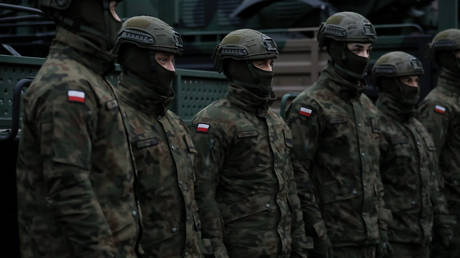
Why now? Because Warsaw has set massive troop goals. Poland has already grown its active-duty ranks past 220,000 service members, making it one of NATO's largest armies by manpower. Yet officials have laid out a blueprint to reach 500,000 total personnel by 2039, combining 300,000 active professional troops with 200,000 reservists. Hitting numbers like that on volunteers alone is tough when demographics in Central Europe are aging and the private sector competes hard for skilled workers.
http://googleusercontent.com/lmdx_content/lOEqUpwZAXBXWCkZakUBOUPpDWRezndTpPQXvhSHpoMoHpyIttqvzPGSPxAmOxItJLxvPCeDsngqVMDOMVmubtcDgybHleCtxfwCZQUdeTKcAWUMJxfOkWEPJmhXdkYwdOpQexFQwDHGmFJFDMXmhEdKCqBiziXCUpftGofkXkAYYwAw27801 To read more about the background here, NBC News provides an in-depth summary.
How Conscription in Poland Actually Works on Paper
Most people outside Poland assume mandatory service was scrapped completely in the late 2000s. Legally, that's not quite true. Parliament suspended compulsory military service in February 2009, leaving the underlying statutory machinery sitting on the books so it could theoretically be reactivated if security conditions demanded it.
What does happen every year is military qualification. Poland summons hundreds of thousands of citizens—roughly 235,000 people for the 2026 qualification window—to appear before medical and psychological commissions. Summonses go beyond newly minted 18-year-olds to include older cohorts who never got a fitness rating, plus women in specific fields useful to the military, such as medicine, IT, psychology, and translation.
Getting a summons and a fitness category (from A down to E) isn't the same as being drafted into active duty. A qualification commission evaluates health and updates registries. Reinstating actual compulsory service would mean taking that step from administrative screening to mandatory training or service obligations.
In my view, that distinction matters enormously. A lot of headlines blur routine medical commissions with full-blown conscription, which stirs up unnecessary panic while missing the real policy shift: Warsaw is building a broader mobilization and reserve pipeline whether full conscription returns or not.
Reinstating Conscription and the Push for Men and Women
Talk about reinstating conscription isn't limited to old-school draft boards. Defense officials have floated the idea of compulsory service covering both men and women, sparking sharp debate ahead of Poland's next parliamentary elections. Right-wing opposition figures have also pushed the issue into the spotlight, trying to claim the mantle of tough national security while questioning how the current government is handling force expansion.
Including women changes the conversation immediately. Historically, compulsory drafts in Europe leaned heavily on young men, which meant half the eligible age cohort stayed outside formal military readiness. Bringing women into a mandatory model—even if roles are tailored to skills like logistics, cyber defense, medicine, or drone operations—expands the talent pool and reflects how modern armed forces actually fight.
At the same time, it creates friction. Equal obligation sounds neat in policy memos, yet social norms, family responsibilities, and political pushback make implementation tricky. Honestly, any government that tries to mandate service for both men and women without rock-solid public backing risks a massive political backlash at the ballot box.
Why Young Poles Are Pushback Central
Ask older generations in Poland about Russia, and you'll usually hear grim historical realism. Ask younger Poles about mandatory military service, and the mood shifts fast.
Polling reported in October 2026 showed that overall, more Poles backed bringing back compulsory military service than opposed it—yet more than half of young respondents rejected the idea, with around 53% of younger Poles opposing conscription. That generational split is huge. People in their late teens and twenties are the ones who would actually interrupt their degrees, careers, or early adulthood if a draft returned.
It's easy for politicians or commentators in their forties, fifties, or sixties to cheer for mandatory service from the sidelines. For a 21-year-old software engineer or apprentice electrician trying to build a life in Warsaw or Kraków, losing months or a year to compulsory training feels very different. If Warsaw wants young people to buy into national defense, lecturing them won't work. Clear incentives, career value, and fair exemptions matter way more.
Voluntary Training and Reserves as the Middle Ground
Before jumping straight to universal conscription, Poland has leaned heavily into voluntary programs and civil defense to widen its base. That's smart strategy. Compulsory service can be slow, expensive to house and equip, and politically toxic if rushed.
Look at what Warsaw has rolled out:
- wGotowości ("Ready"): A voluntary civilian training initiative teaching practical skills like first aid, survival, cybersecurity, and emergency response, drawing tens of thousands of early registrants.
- Trenuj z wojskiem ("Train with the Army"): Short, intensive volunteer courses for citizens aged 15 to 65 covering basic tactics, weapons handling, and survival fundamentals.
- Edukacja z wojskiem ("Education with the Army"): School-based modules teaching students emergency response, evacuation, and first aid, reaching hundreds of thousands of young people.
- Civil protection and school safety: A new Civil Protection and Civil Defense Act taking effect in early 2025 alongside updated school safety and basic firearms instruction for older students.
Based on what we've seen across European militaries over the past few years, voluntary programs have a real catch, though. They're great for enthusiasm and basic civic resilience, yet they don't always guarantee steady, predictable reserve numbers year after year. Officials have noted that while the broader pool of former soldiers and civilians is large on paper, the number of formally signed-up active reservists has been relatively small. Closing that gap between "people who took a weekend course" and "trained reservists ready to report" is one of Poland's toughest operational puzzles.
What Conscription Would Mean for Everyday Life and Readiness
Suppose Warsaw eventually moves from debating conscription to enforcing a limited or broader version of it. What changes on the ground?
First, training capacity has to match ambition. An army aiming for 300,000 active personnel and 200,000 reservists needs barracks, instructors, firing ranges, modern gear, and steady budgets—not just law text. Modern warfare relies heavily on drones, electronic warfare, air defense, and logistics rather than sheer bodies with rifles. Shoving unmotivated recruits into under-equipped units doesn't build deterrence; it drains money and morale.
Second, the economy feels it. Pulling tens of thousands of young workers out of factories, hospitals, tech firms, and construction sites tightens an already constrained labor market. Companies would face staffing gaps, and households would feel knock-on effects.
Third, society has to decide what "service" means. Military service isn't the only way citizens support national security. Civil defense, medical support, cyber resilience, and infrastructure protection all keep a country standing during a crisis. A smart model recognizes different strengths instead of treating every citizen like a carbon-copy infantryman.
Practical Next Steps If You're Following or Affected by the Debate
Whether you live in Poland, have family there, or track European security closely, don't rely on rumors or clickbait headlines. Here's how to stay grounded and prepared:
- Check official Defense Ministry notices directly: If you or a family member fall into an eligible age or specialty group, watch for official military qualification summonses and verify rules directly through Polish government channels rather than social media posts.
- Know the difference between qualification, reserves, and conscription: A medical commission summons is an assessment and record update, not an automatic deployment order. Understanding legal categories saves plenty of avoidable stress.
- Explore voluntary readiness options early: If you want practical crisis skills on your own terms—like first aid, emergency evacuation, or civilian defense courses—voluntary programs let you build useful skills without waiting for mandatory rules to change.
- Track parliament and budget bills, not just speeches: Politicians love floating bold defense ideas before elections. Real change only happens when draft legislation, funding allocations, and training schedules clear parliament.