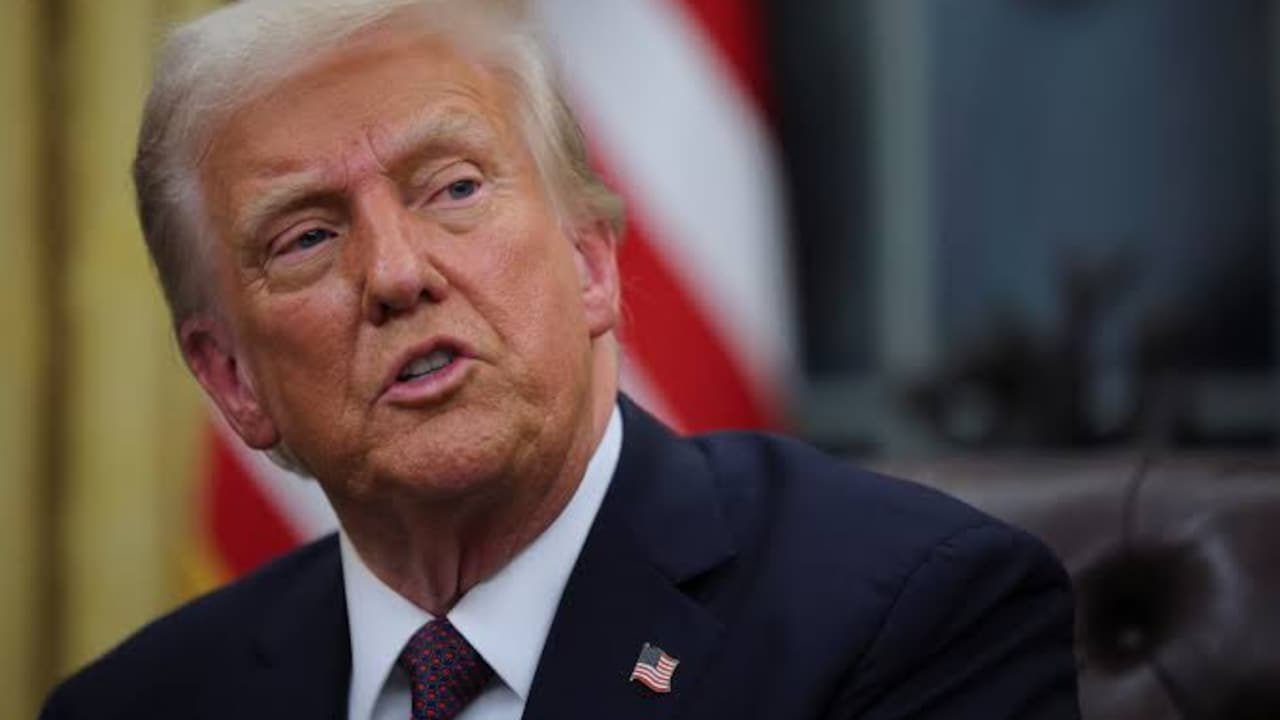
Light does not argue. It simply arrives, hits the retina, and tells the brain a story. For centuries, humanity trusted that story. When a camera shutter clicked, a fraction of reality was trapped, sealed away behind glass and silver halide, preserved as an honest witness to history.
Those days are gone. In other updates, we also covered: The Legal System Is Broken When Getting Sued Turns Into a Contact Sport.
Consider the quiet hum of a glowing monitor in a communications room late at night. A cursor blinks. A designer, perhaps tired, perhaps driven by an urgent mandate to shape perception, reaches for a tool. A few keystrokes later, a shadow is lifted. A color is warmed. An artificial intelligence algorithm fills in a gap where reality was inconvenient. The resulting image looks real. It feels real. Millions will scroll past it on a glowing screen, absorb it in less than a second, and file it away as truth.
This is not a story about software. This is a story about trust. BBC News has also covered this critical topic in great detail.
When the official channels of power begin distributing digitally altered imagery to frame their narratives—such as the recent discussions surrounding manipulated visual media promoted by political offices—the boundary between documentation and fabrication dissolves. We enter a strange new era where seeing is no longer believing.
Picture a citizen sitting at a kitchen table, coffee cooling in a chipped mug. Morning light spills across the linoleum. The television murmur carries headlines about a newly released promotional photograph. The citizen squints at the phone screen, zooming in on a hand that looks slightly too smooth, lighting that defies the laws of physics, a background that feels painted rather than photographed. A knot forms in the stomach.
It is a visceral, unsettling sensation. It is the realization that the ground beneath our shared reality is shifting.
Historically, propaganda relied on omission. Governments cropped photographs, removed disgraced officials from historic staircases, or selected the most flattering angle of a leader. But those manipulations still operated within the confines of physical reality. A darkroom technician had to work with actual light that had bounced off an actual object.
Generative editing tools operate differently. They do not just edit the past; they invent it. They conjure details out of statistical probability. When a government entity adopts these techniques for public relations, the message sent to the citizenry is corrosive. It whispers a cynical lesson: nothing can be taken at face value.
Think about the psychological toll of universal skepticism. If every image can be faked, then any inconvenient truth can be dismissed as a deepfake. Conversely, any glaring falsehood can be defended as real. We retreat into echo chambers, not because we agree with the politics, but because we desperately want to believe our eyes.
The debate over altered media is rarely about pixels. It is about power. Control the image, control the narrative. Control the narrative, control the reaction.
Let us be entirely clear about the mechanics at play here. When artificial intelligence tools are leveraged to polish public relations, they obscure the messy, imperfect truth of governance. Real life is complicated. It is boring. It involves gridlock, unvarnished flaws, and difficult compromises. A synthetic image offers a shortcut. It presents an idealized version of events that never happened, tailored precisely to evoke pride, anger, or adoration.
Yet, shortcuts have a habit of leading off cliffs.
When the institutions designed to uphold truth become the very sources of synthetic illusion, public confidence fractures. It becomes exceedingly difficult to demand accountability from leaders when the evidentiary basis of reality is up for grabs.
We must ask ourselves what happens to a democracy when its citizens lose faith in the visual record. Do we become numb? Do we default to radical cynicism, trusting nothing and no one? Or do we demand a return to radical transparency—a social contract that honors the unpolished, unedited truth, no matter how inconvenient it might be?
The screen goes dark. Your reflection looks back at you from the black glass. The world outside the window is quiet, textured, flawed, and completely real. Protecting that reality requires more than better detection software. It requires an unwavering insistence on honesty, even when fiction is so much easier to look at.