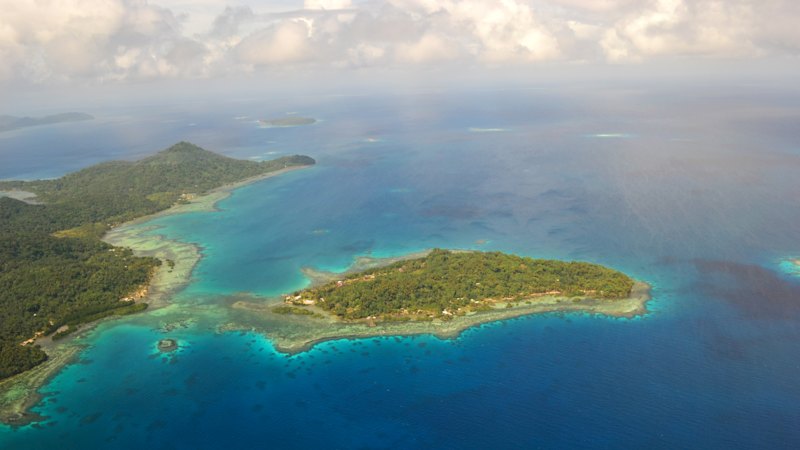
Surviving a 90-day drift across 4,800 kilometers of open ocean is not a function of luck; it is an exercise in strict resource allocation, metabolic throttling, and thermodynamic defense. When a vessel loses propulsion and communication, the human body immediately enters a deficit economy. Every physiological action—sweating, shivering, digesting, and even cognitive processing—carries an unsustainable caloric and hydration cost. To analyze how five individuals endure three months adrift (a profile matching documented Pacific drift events, such as the 2006 San Blas castaways), we must strip away romanticized notions of endurance and examine the closed-loop systems that prevent cellular failure. Survival at this scale requires solving three sequential engineering problems: maintaining blood volume without freshwater reserves, arresting catabolic muscle wasting through opportunistic protein synthesis, and preserving group cohesion under severe neurological stress.
The Hydration Deficit and Renal Preservation
Dehydration is the primary killer in maritime castaway scenarios, operating on a compressed timeline compared to starvation. Under ambient tropical conditions, an inactive adult loses approximately 1.5 to 2.5 liters of water daily through insensible perspiration, respiration, and obligatory urine output. Without intervention, a 10% loss of body water induces delirium; a 15% to 20% loss causes hypovolemic shock and death within four to seven days.
Surviving 90 days requires reducing insensible water loss while aggressively harvesting atmospheric and biological fluids. Castaways cannot alter their baseline renal requirements—the human kidney requires roughly 500 milliliters of water per day simply to excrete metabolic waste products like urea. The operational variable, therefore, is transcutaneous water loss. By submerging clothing in seawater during peak solar radiation, survivors exploit evaporative cooling externally rather than internally. The seawater evaporates off the fabric, drawing heat away from the skin and sparing internal plasma volume that would otherwise be diverted to sweat glands.
When freshwater reserves are exhausted, fluid intake relies on three mechanisms:
- Precipitation Harvesting: Open-ocean rain squalls provide sporadic, high-volume windfalls. Because rainfall in the doldrums or trade-wind belts is intermittent, catchment surface area becomes the limiting factor. Tarpaulins, sails, and upturned hull surfaces must be rigged to channel water into sealed containers immediately, preventing contamination from salt spray dried onto the collection surfaces.
- Biological Fluid Extraction: Consuming raw fish and seabirds provides more than calories; vertebrate muscle tissue is roughly 70% water by weight. While digesting protein requires water to flush nitrogenous waste, the net hydration yield from raw marine flesh, ocular fluids, and turtle blood remains positive when paired with minimal physical exertion.
- The Seawater Prohibition: Ingesting seawater accelerates mortality. Seawater has an osmolarity of approximately 1,000 mOsm/L, whereas human kidneys can only concentrate urine to a maximum of roughly 1,200 mOsm/L. To excrete the excess sodium chloride from one liter of seawater, the kidneys must expend roughly 1.35 liters of body water, creating a lethal net fluid deficit.
Caloric Scarcity and Metabolic Downregulation
Once hydration is stabilized above the threshold of renal failure, the limiting factor shifts to bioenergetics. A standard adult male requires 2,000 to 2,500 kilocalories per day to maintain basal metabolic rate (BMR) and light activity. Over 90 days, five adults require an aggregate minimum of 900,000 kilocalories to avoid severe wasting. An unprovisioned open boat holds zero caloric reserves.
The human body responds to acute starvation through a predictable three-phase metabolic shift. During the first 24 to 48 hours, the liver exhausts its glycogen stores to maintain blood glucose for the central nervous system. Once glycogen is depleted, the body enters phase two: gluconeogenesis, converting amino acids from skeletal muscle into glucose. If this rate of muscle breakdown continues unchecked, the diaphragm and myocardium weaken, leading to respiratory or cardiac arrest within weeks.
To survive three months, the physiology must transition fully into phase three: ketosis. The liver converts free fatty acids mobilized from adipose tissue into ketone bodies, which cross the blood-brain barrier and supply up to 70% of the brain's energy requirements. This spares skeletal muscle protein. Simultaneously, thyroid hormone conversion (T4 to active T3) drops precipitously, intentionally downregulating BMR by 15% to 25%. The survivors become lethargic, cold-intolerant, and bradycardic—a deliberate evolutionary state of metabolic hibernation.
Opportunistic Trophic Capture
Ketosis slows the clock, but it cannot sustain life indefinitely without external inputs. A 4,800-kilometer drift across pelagic waters passes through biological deserts punctuated by localized ecosystems. A drifting hull acts as a Fish Aggregating Device (FAD). Within days, algae colonizes the submerged fiberglass or wood, attracting small baitfish, barnacles, and crabs, which in turn draw pelagic predators like mahi-mahi, triggerfish, and sea turtles.
Harvesting these calories without specialized gear requires turning the vessel itself into a trap. Survivors must rely on improvised gaffs, hand-grabbing sea turtles that approach the hull to graze on algae, and capturing seabirds that use the boat's gunwales as a resting perch at night.
Consuming these animals raw introduces specific biochemical hazards and benefits. Raw fish and bird livers provide critical fat-soluble vitamins (A and D) and prevent scurvy, as many marine animals synthesize their own ascorbic acid (Vitamin C) or accumulate it in organ tissues. However, consuming large quantities of lean protein without accompanying fats or carbohydrates triggers "rabbit starvation" (protein poisoning). The liver's urea cycle becomes overwhelmed by excess nitrogen, leading to hyperammonemia, nausea, diarrhea, and accelerated dehydration. Survivors must prioritize consuming fatty tissues—eyes, brains, viscera, and subcutaneous fat—over lean muscle mass.
Thermodynamics and Vector Mechanics
A 4,800-kilometer trajectory over 90 days translates to an average drift velocity of approximately 53 kilometers per day, or roughly 1.2 knots. This movement is governed by two competing physical forces: surface currents and windage.
Surface currents, such as the North or South Equatorial Currents in the Pacific, move water masses steadily westward at speeds between 0.5 and 2 knots. Windage—the aerodynamic drag exerted by prevailing trade winds on the exposed freeboard of the hull—pushes the vessel downwind. Depending on hull geometry, a disabled boat acts either as a sail (high freeboard, shallow draft) or a sea anchor (low freeboard, deep keel).
This physical trajectory dictates the thermal environment. In equatorial waters, ambient air temperatures hover between 28°C and 32°C, with solar irradiance exceeding 1,000 watts per square meter at midday. Without overhead cover, direct UV exposure causes second-degree burns, blistering, and acute heat stroke. Conversely, after sunset, evaporative cooling from salt-soaked skin combined with 15-knot trade winds induces mild hypothermia, even in tropical latitudes. Shivering to generate heat burns precious glycogen and accelerates caloric collapse. Survival requires constructing a microclimate—rigging floorboards, tarps, or spare clothing to create a shaded, wind-blocked compartment that stabilizes core body temperature across the diurnal cycle.
Cognitive Degradation and Group Dynamics
The physical variables of maritime survival are bounded by human neurology. Prolonged isolation, sensory deprivation, sleep fragmentation, and chronic electrolyte imbalances degrade prefrontal cortex function. In a five-person crew, the social structure is the primary operational asset; if it fractures, resource management collapses.
Chronic dehydration and hypoglycemia directly impair executive function, reducing impulse control and increasing paranoia. Castaways frequently experience auditory and visual hallucinations—mistaking cloud formations for land or hearing voices in the wind. In a multi-person survival scenario, these perceptual failures pose an acute threat. If one individual succumbs to delirium and attempts to drink seawater or abandon the vessel, the remaining crew must expend scarce calories to physically restrain them.
Maintaining group cohesion over 90 days requires strict behavioral protocols:
- Rigid Routine Enforcement: Assigning fixed watches for horizon scanning, bailout, and rain collection imposes artificial structure on an featureless environment. Routine anchors circadian rhythms and prevents the psychological drift into learned helplessness.
- Transparent Rationing: Perceived inequity in water or food distribution triggers mutiny or violence. All harvested resources must be divided publicly using precise, repeatable measurements (such as bottle caps or shell halves) to eliminate suspicion.
- Cognitive Offloading: Verbalizing observations, sharing memories, and maintaining collective problem-solving tasks keeps the neocortex engaged, counteracting the dissociative states brought on by sensory monotony.
Limitations of Closed-Loop Drift Survival
The strategies outlined above operate within narrow physical boundaries. No amount of behavioral discipline or metabolic adaptation can overcome absolute resource deficits. The survival model breaks down under three specific conditions:
- High-Latitude Drift: Beyond 35 degrees north or south latitude, water temperatures drop below 15°C. Immersion or continuous sea spray induces fatal hypothermia within hours to days, rendering evaporative cooling and passive drifting impossible.
- Hyper-Arid Zones: Drifting into subtropical gyres (the "horse latitudes") places the vessel beneath persistent high-pressure systems characterized by descending dry air and zero precipitation. Without rain squalls, biological fluids from fish cannot offset insensible water losses indefinitely, leading to renal failure within 14 to 21 days.
- Initial Trauma or Infection: The closed-loop environment offers zero sterile field. Minor lacerations from fish spines, coral, or hull hardware rapidly colonize with marine bacteria such as Vibrio vulnificus. Without antibiotics, localized cellulitis progresses to systemic sepsis, forcing the immune system into a hyper-metabolic state that exhausts caloric reserves in days.
Tactical Protocol for Unplanned Maritime Drift
If a vessel loses propulsion and communications offshore, survival probability is determined by actions taken within the first six hours—before dehydration and seasickness impair cognitive clarity.
- Deploy a Sea Anchor Immediately: Rig any heavy, drag-inducing object (tires, weighted tarps, buckets) off the bow on a long line. This keeps the hull pointed into the waves to prevent broaching and capsizing, while slowing drift speed to keep the vessel closer to its last known position for search-and-rescue assets.
- Audit and Seal All Fluids: Inventory every drop of freshwater. Transfer water from fragile plastic bottles into secure, shaded containers. Prohibit all consumption for the first 24 hours; the body is fully hydrated at the outset and will simply excrete early intake as urine.
- Construct Permanent Shade: Before solar fatigue sets in, strip non-structural canvas, floorboards, or spare gear to build a low-profile canopy. Prioritize shade over visibility; search aircraft rely on radar and visual sweep patterns that detect hull contrast, not standing individuals.
- Initiate Immediate Trophic Harvesting: Do not wait until food stores are empty to begin fishing. Deploy lines, nets, and makeshift lures on day one while physical strength and fine motor skills are at peak capacity. Preserve all harvested meat by slicing it into thin strips and air-drying it in the rigging.
- Establish Watch Rotations: Divide the crew into two-hour shifts to scan the horizon, check for hull leaks, and monitor weather shifts. Enforce strict silence regarding complaints or despair during night watches to preserve collective psychological stability.


